Inside the small circle that could decide the Fed’s future and America’s economic destiny

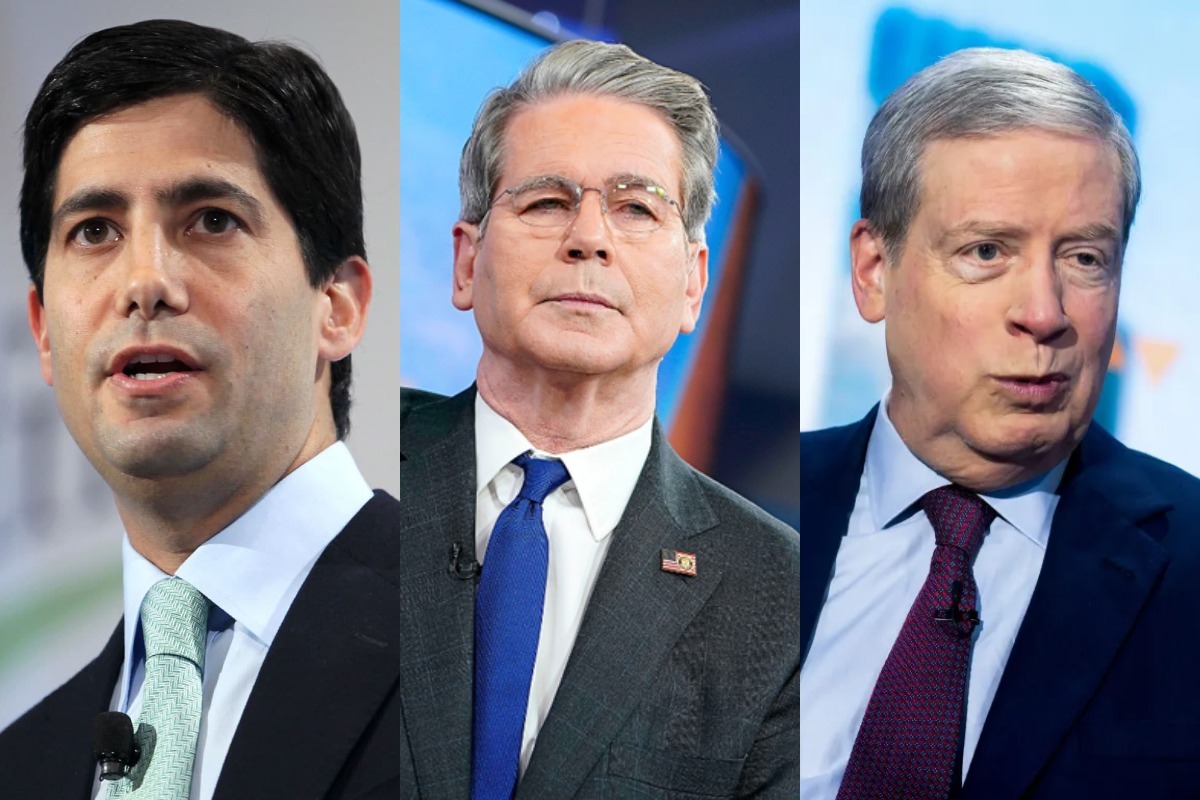
President Trump’s decision on the next chair of the Federal Reserve may amount to more than a routine personnel change, it could signal an unusually close alignment between the White House, the central bank, and financial markets.
That was a central takeaway from a recent note by James E. Thorne, a PhD economist and chief market strategist at Wellington Altus, who described the emerging dynamic as “a new axis of power.”
Thorne pointed to a constellation of figures that includes Kevin Warsh, a former Federal Reserve governor and longtime critic of aggressive monetary stimulus, whom Trump has floated as a potential replacement for current Fed Chair Jerome Powell.
The group also includes Treasury Secretary Scott Bessent and billionaire hedge fund manager Stanley Druckenmiller, a highly influential voice in policy circles and a respected figure within Trump’s administration.
If Warsh were to assume the Fed’s top role, monetary policy would likely move into closer alignment with Bessent’s fiscal and industrial agenda, Thorne argued.
That would imply a shift away from heavy reliance on quantitative easing and asset-price support, and toward policies that emphasize capital investment and balance-sheet discipline, with the goal of encouraging economic growth rather than financial engineering by the central bank.
In Thorne’s view, Druckenmiller serves as the glue between policymakers and markets, helping to anchor the shift in real-world investor experience.
Taken together, the Fed chair decision would represent not just a change in leadership but a potential realignment in U.S. macroeconomic policy.
The “asset-rich, income-poor” economy
Thorne’s analysis didn’t emerge in a vacuum. It builds on a 2014 Wall Street Journal article co-authored by Warsh and Druckenmiller, which warned of what they described as an “asset-rich, income-poor” economy, a scenario in which rising asset prices benefit investors while offering limited relief to most households.
The article argued that ultra-easy monetary policy had widened the gap between Wall Street and Main Street, rewarding financial engineering while small businesses and families that depend on earned income struggled to keep pace.
More than a decade later, that divide has only deepened. Stock markets have posted trillions of dollars in gains, while wage growth has lagged behind, and many Americans have taken on increasing levels of debt to maintain their standard of living.
As InvestorsObserver has reported, this dynamic has given rise to the mantra “own assets or be left behind,” reflecting concerns that those without investments risk falling further behind.
Warsh and Druckenmiller warned at the time that “real economic growth [...] remains sorely lacking,” adding that “Higher asset prices are not translating into meaningful increases in capital expenditures, and the weak growth in business investment is proving to be an opportunity-killer for workers.”