Trump’s $2,000 ‘tariff dividend’ could set off an inflation bomb, economists warn

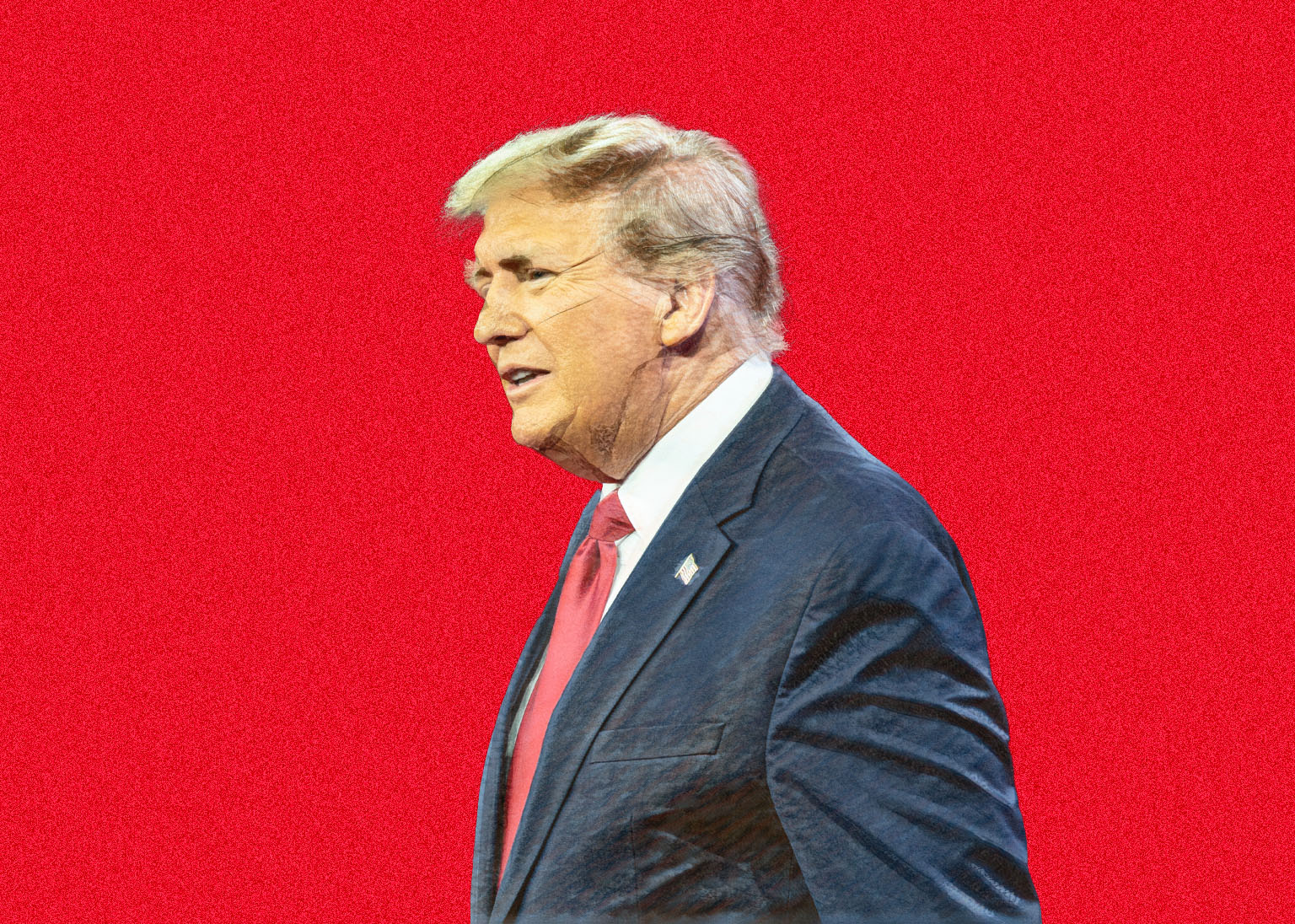
President Trump announced over the weekend a new “tariff dividend” that will provide most Americans with at least $2,000 in stimulus payments.
While Trump framed the effort as a win for Americans, economists warn that it could ultimately prove to be another inflationary tax on consumers.
Economists at The Kobeissi Letter estimated that the proposed dividend payment, which excludes high-income earners, would total roughly $440 billion.
Stimulus checks are back:
undefined The Kobeissi Letter (@KobeissiLetter) November 9, 2025
President Trump just announced the undefinedtariff dividend,undefined a payment of AT LEAST $2,000 per American.
We expect 85%+ of US adults to receive this, resulting in $400+ BILLION handed out.
All as US debt nears $40 trillion.
What's next? Let us explain. pic.twitter.com/1xVSyq4UUN
They noted that, similar to the 2021 pandemic stimulus, the new checks could spark a sharp uptick in consumer spending.
“However, the one-time boost is followed by a long period of high inflation,” The Kobeissi Letter wrote. “Following the last round of stimulus, U.S. inflation neared 10%.”
The concern now, analysts say, is that inflation is already elevated compared to 2021. The Consumer Price Index (CPI) currently hovers around 3%, while the Federal Reserve has begun cutting interest rates.
“The U.S. government is handing out stimulus checks with stocks at record highs,” The Kobeissi Letter added, calling the plan fuel to the fire for the ongoing bull market.
While the move may benefit investors and asset holders, economists caution that it could make consumers worse off.
Short-term gain, long-term pain?
The 2021 stimulus surge offers a case study in what investors might expect from the latest “tariff dividend.”
As the Public Policy Institute of California noted, pandemic-era stimulus payments temporarily reduced income poverty and inequality by providing direct support to low-income households.
However, by late 2021, the direct supports had largely faded, and household balances for low-income families had reverted toward pre-pandemic levels. Once inflation accelerated, the wealth gap ultimately widened.
Proponents of the tariff dividend say the circumstances are slightly different this time. Unlike in 2021, the Trump administration is considering redistributing tariff revenue rather than expanding the money supply outright.
If the payments are rolled out just as the economy shows signs of slowing, they could boost consumer demand and help prevent a potential downturn.
Even then, economics professor Paul Johnson isn’t convinced the stimulus checks will be spent immediately.
He expects a significant portion of the money to be saved, which could mitigate the inflationary impact and keep consumer spending growth subdued.
For now, U.S. GDP growth remains well above recession levels, but cracks are beginning to show, particularly in the divergence between economic output and employment.
The unemployment rate has been edging higher throughout the year, while job growth has slowed to a crawl.
As InvestorsObserver recently reported, October saw the worst job cuts for that month in more than two decades, based on Challenger, Gray & Christmas data.