The Fed’s quiet dove is speaking, and markets aren’t listening

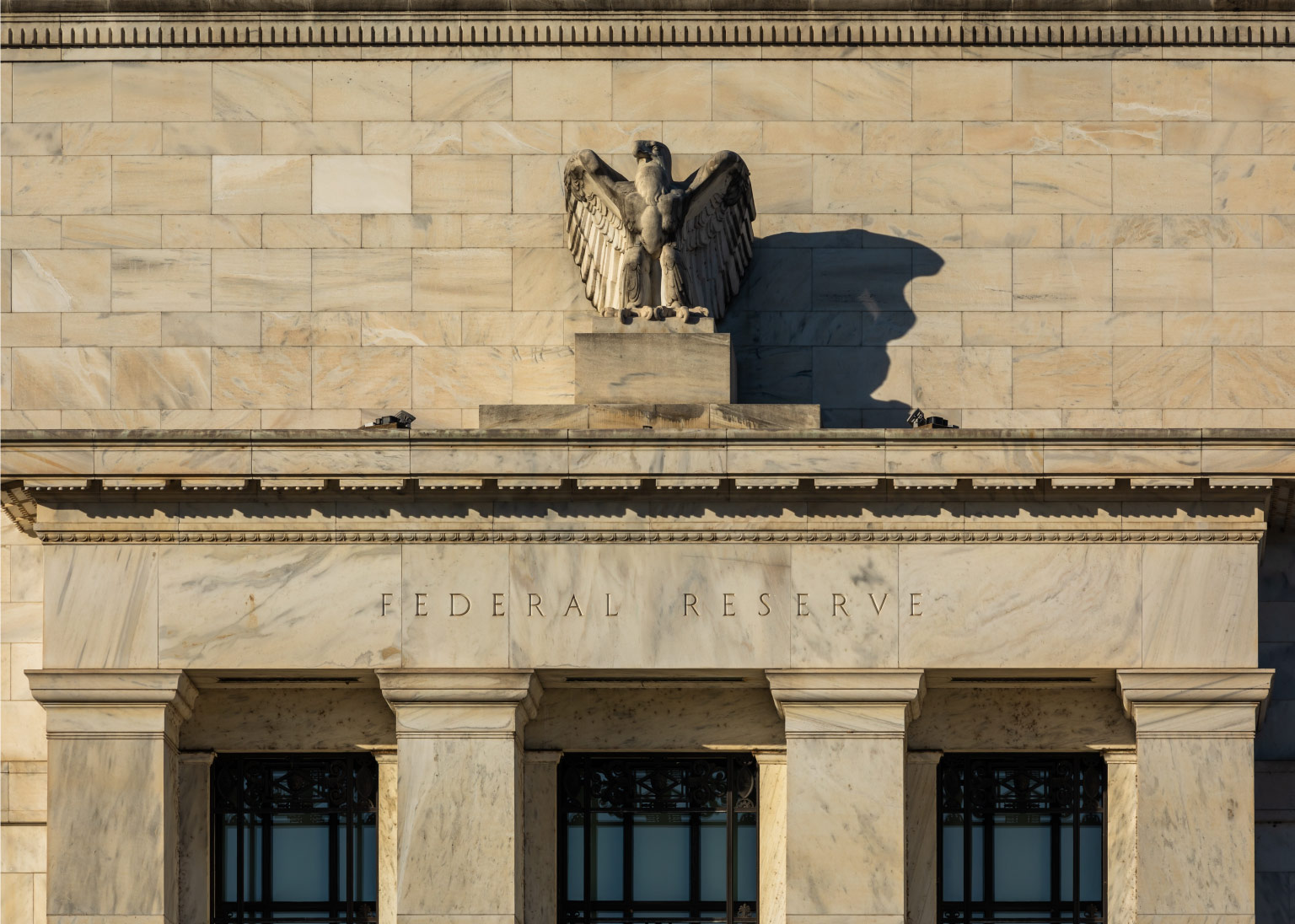
Amid rising anxiety over the future path of U.S. interest rates, Federal Reserve Governor Christopher Waller said this week that policy rates remain well above “neutral,” signaling that influential voices within the central bank see room for aggressive rate cuts.
Waller’s comments drew added attention as his name has emerged as a potential successor to Fed Chair Jerome Powell. While the race is widely viewed as being led by Kevin Hassett and Kevin Warsh, Waller has been described by some observers as a dark-horse contender.
Speaking Wednesday at a forum hosted by CNBC, Waller said interest rates are still roughly 100 basis points above neutral — the level that neither stimulates nor restrains economic activity.
He also pointed to signs of a cooling labor market, describing conditions as “very soft” as recent data showed a rise in unemployment and weaker job creation.
The remarks came ahead of a meeting between Waller and President Donald Trump, a development Rabobank strategist Jane Foley said was notable. “It suggests that Powell’s successor is not, after all, a done deal,” Foley said.
In the near term, the uncertainty adds to questions surrounding the Federal Reserve’s policy outlook, Foley noted. Over the longer run, however, it could pave the way for a more dovish leadership at the central bank — an outcome the Trump administration has signaled it would welcome.
If a dovish chair is ultimately installed, it would lend support to the view that financial markets may be underpricing the possibility of more aggressive interest rate cuts next year.
Markets may be wrong on the Fed’s next move
Even after Waller’s remarks, futures markets are still pricing in only a modest chance of a rate cut at the January Federal Open Market Committee meeting, with odds standing at around 25%, according to CME Group’s FedWatch tool.
More broadly, futures imply a strong likelihood of two interest rate cuts next year, with a smaller probability of a third.
However, Bloomberg economist Anna Wong has argued that the market may be underestimating the scope for easing.
Citing ongoing weakness in the labor market and signs that inflation pressures are likely to remain contained in 2025, Wong has said more aggressive cuts remain her base case.
Echoing Waller’s assessment, Wong said a cumulative 100 basis points of rate cuts next year would be most appropriate.
Bloomberg’s analysis also draws on artificial intelligence that reviewed roughly 17,500 earnings call transcripts from S&P 500 companies over the past decade, finding little evidence that corporate leaders are worried about a reacceleration of inflation in the year ahead.