US regulator expands probe into Tesla's self-driving technology
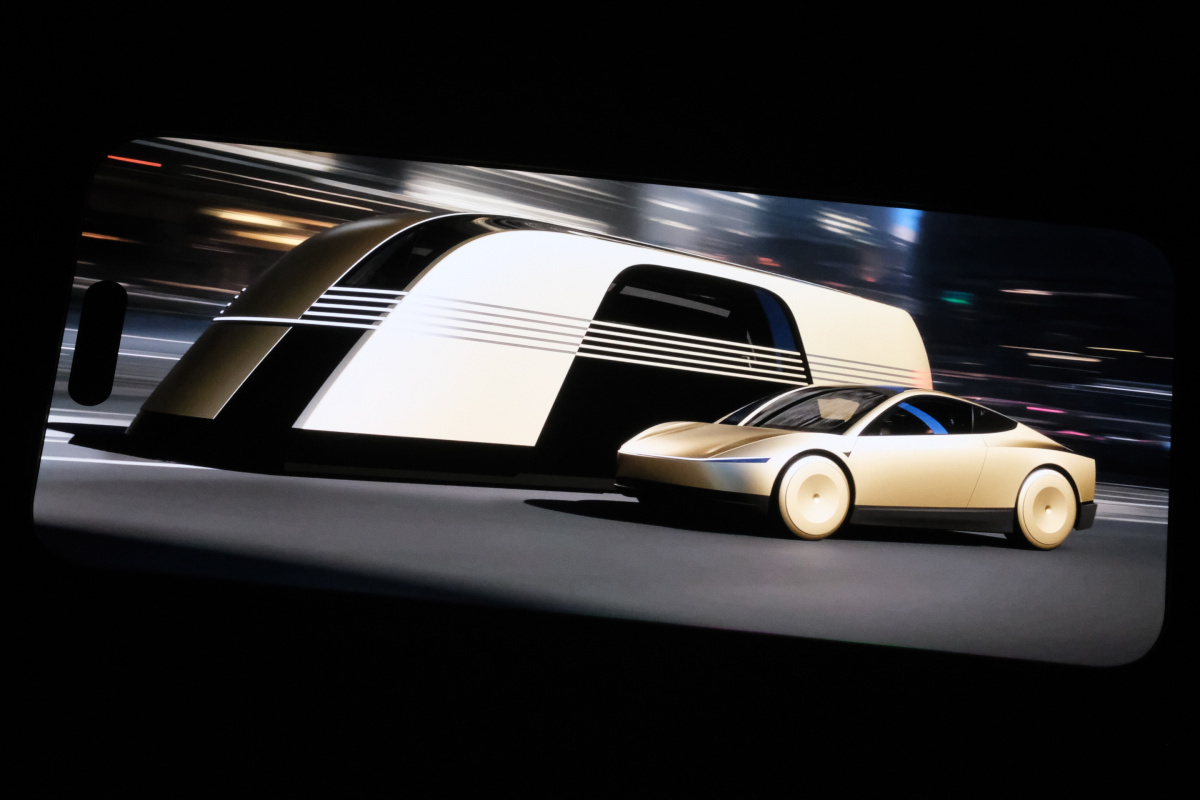
For investors and industry insiders who are predicting that Tesla, Inc. (TSLA) will eventually dominate the robotaxi market, one of the main advantages they point to is the company's ability to scale faster than most of its rivals, including - and perhaps most importantly - Alphabet's (GOOG) Waymo.
Although Waymo has opened up a significant lead in the US, some still think Tesla will be difficult to beat in the long run.
In a post on X last year, Tesla's former head of growth Jorge Milburn argued that Waymo is overlooking Tesla’s operational efficiencies as a long-term edge.
“Tesla knows how to make cars cheaply at scale like no one else in the West,” Milburn said. “They’re also super cheap to run and generally require low maintenance.”
He added that Tesla “won’t have to pay a middle-man marketplace fee, they will charge on sites which are already profitable and use service infrastructure that already exists.”
The problem, of course, is that Tesla has thus far struggled to actually get its robotaxi service off the ground and expand beyond its home base of Austin, Texas.
And now the company could be facing another significant headwind, but this time from the top automotive safety regulator in the United States.
The National Highway Traffic Safety Administration's (NHTSA) Office of Defects Investigation (ODI) said on Thursday that it has escalated its investigation into Tesla's Full Self-Driving (Supervised) system, specifically targeting its inability to handle reduced visibility conditions on the roads.
"The focus of this investigation will be to assess the system’s ability, when encountering reduced roadway visibility conditions, to detect degradation and alert the driver with sufficient time to respond," the agency said in its report.
"ODI will evaluate the performance of FSD in degraded roadway conditions and the updates or modifications by Tesla to the degradation detection system, including the timing, purpose, and capabilities of the updates, and Tesla’s assessment of their safety impact."
Latest probe could lead to recall
The ODI first opened a probe into Tesla's FSD system in October 2024 following four reported crashes that Tesla had in low-visibility conditions, including one that involved the death of a pedestrian and another that left a pedestrian injured.
Its latest probe that it opened on Thursday is what the ODI calls an "engineering analysis," which is its highest level of investigation. It is the last step taken before an automaker is ordered to make a full recall of its vehicles.
According to its report, the ODI had discussed individual incidents with Tesla during the initial phase of its investigation and "Tesla’s post-incident analysis indicated that the update to the degradation detection system, had it been installed on the vehicles at the time, may have affected 3 of the 9 incidents identified by ODI."
However, the company also indicated that there were internal data and labeling limitations "that prevented a uniform identification and analysis of crash events with the subject system engaged." These limitations have led ODI to suggest that Tesla could have underreported crashes during the defined time period of its investigation.
"Available incident data raise concerns that Tesla’s degradation detection system, both as originally deployed and later updated, fails to detect and/or warn the driver appropriately under degraded visibility conditions such as glare and airborne obscurants," the ODI said.
In a post on X, Musk blamed one of the crashes flagged by the ODI on the driver of the Cybertruck with FSD.
"Logs show driver disengaged Autopilot four seconds before crashing," he said.
Tesla's shares fell just over 3% on Thursday. The stock is down more than 15% so far this year.