Waymo has just opened a bigger lead on Tesla in the robotaxi wars

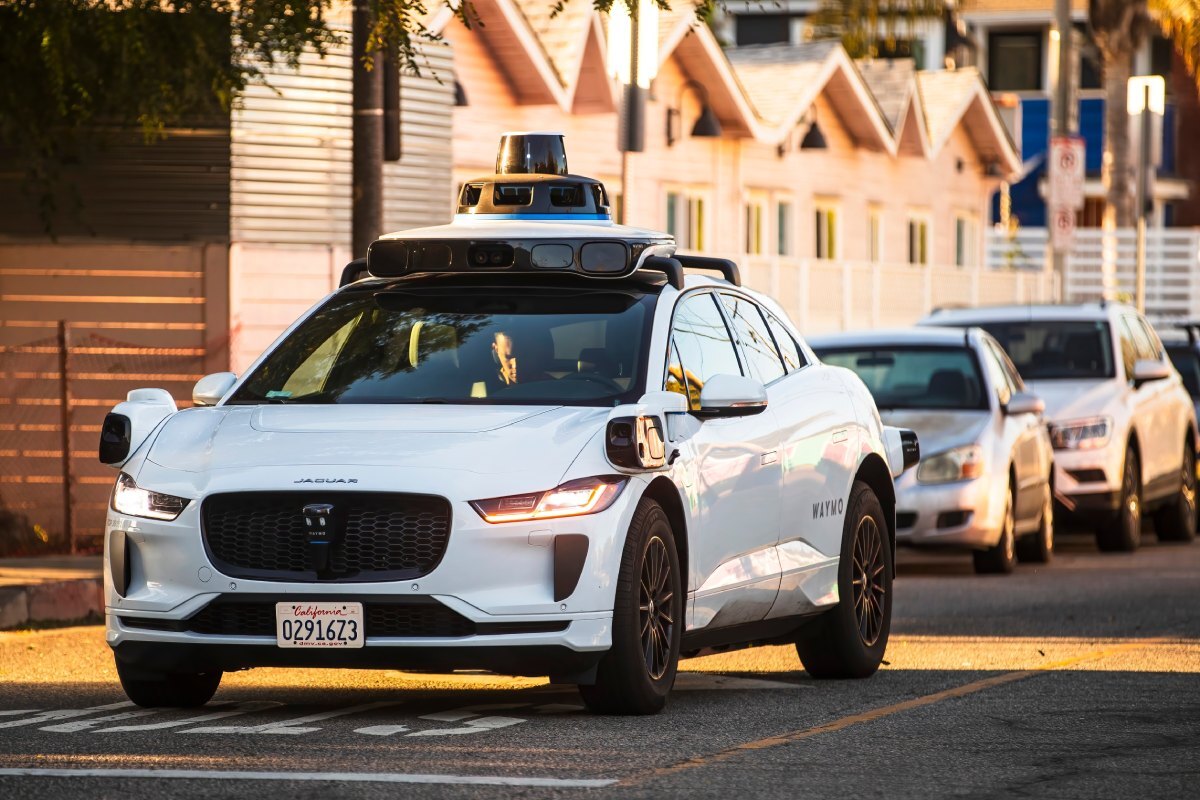
Although industry analysts often mention Alphabet's (GOOG) Waymo and Tesla, Inc. (TSLA) in the same breath when discussing the dominant players in the US robotaxi market, there really isn't much of a competition in the space thus far.
Waymo has used its early entry into the autonomous vehicle (AV) market to its advantage, building a sizable lead over any of its rivals. This includes Tesla, which has delivered more hype than actual results with its robotaxi business.
And the gap between the two companies has grown even wider, with Waymo announcing on Tuesday that it is expanding into four new US cities: Dallas, Houston, San Antonio and Orlando. This now brings its total commercial areas in America to 10.
It's worth noting that by expanding its service into Dallas, Houston and San Antonio, Waymo is now operating in the three biggest cities in Texas, which is Tesla's home base.
Waymo is expected to add 18 additional cities in the United States by the end of 2026. The company noted that its vehicles have traveled over 200 million fully autonomous miles.
Tesla does not currently operate driverless taxis in any US city.
Waymo said that the service in the new cities will initially be offered by invitation to "select riders" who have downloaded the company's app, and then it will begin "inviting new riders on a rolling basis" before opening it to everyone later this year. The company said this approach is being done "to ensure a seamless experience across our initial service areas."
“Waymo is serving more riders than ever, as we are on track to serve over one million rides per week by the end of this year,” Waymo co-CEO Tekedra Mawakana said in a statement. “Dallas, Houston, San Antonio, and Orlando are critical to our plans, as we lay groundwork for service in 20+ cities.
"Each community has its own unique charm and transportation needs, and we’re eager to provide a safe, reliable, and magical way for locals and visitors to travel.”
Tesla bulls remain undaunted
Meanwhile, Elon Musk has been making bold claims about Tesla's planned robotaxi service for over a decade, but has yet to deliver on any of his promises.
On the company’s second-quarter earnings call back in July, Musk proclaimed that the company would "probably have autonomous ride hailing in probably half the population of the US by the end of the year," which it did not come close to achieving.
In January 2024, Musk predicted that Tesla would be flooding the market with its autonomous vehicles.
“Next year for sure, we’ll have over a million robotaxis,” he said at the time.
In reality, Tesla only has about 30 robototaxis in its fleet in Austin, and most of them are reportedly not even in operation.
Even his most modest prediction - that Tesla would have driverless robotaxis operating in the company's home city of Austin, Texas by the end of last year - never materialized.
Of course, with Tesla's stock priced at over 300 times its trailing twelve-month earnings, investors continue to shrug off Musk's missed targets. That's because Tesla bulls are unwavering in their confidence that Musk will eventually deliver on his promises at some point.
Ark Invest founder Cathie Wood, who was an early investor in Tesla, recently posted on X about Tesla's planned Optimus robot, pointing to her firm's research showing that "humanoid robots are 200,000 times more complex than robotaxis to develop."
"Given Elon’s first principle’s approach and dogged determination, we project that @Tesla’s Optimus will begin to transform factory life, then home life, in 2028/2029," she said.
In other words, despite Musk failing over the past decade to deliver on his robotaxi targets, Wood is confident that he will deliver on technology that is "200,000 times more complex to develop than robotaxis" within the next two or three years.
Alphabet's stock fell 0.25% on Tuesday, while Tesla shares gained 2.4%.