Target’s holiday season could see a lump of coal for shareholders

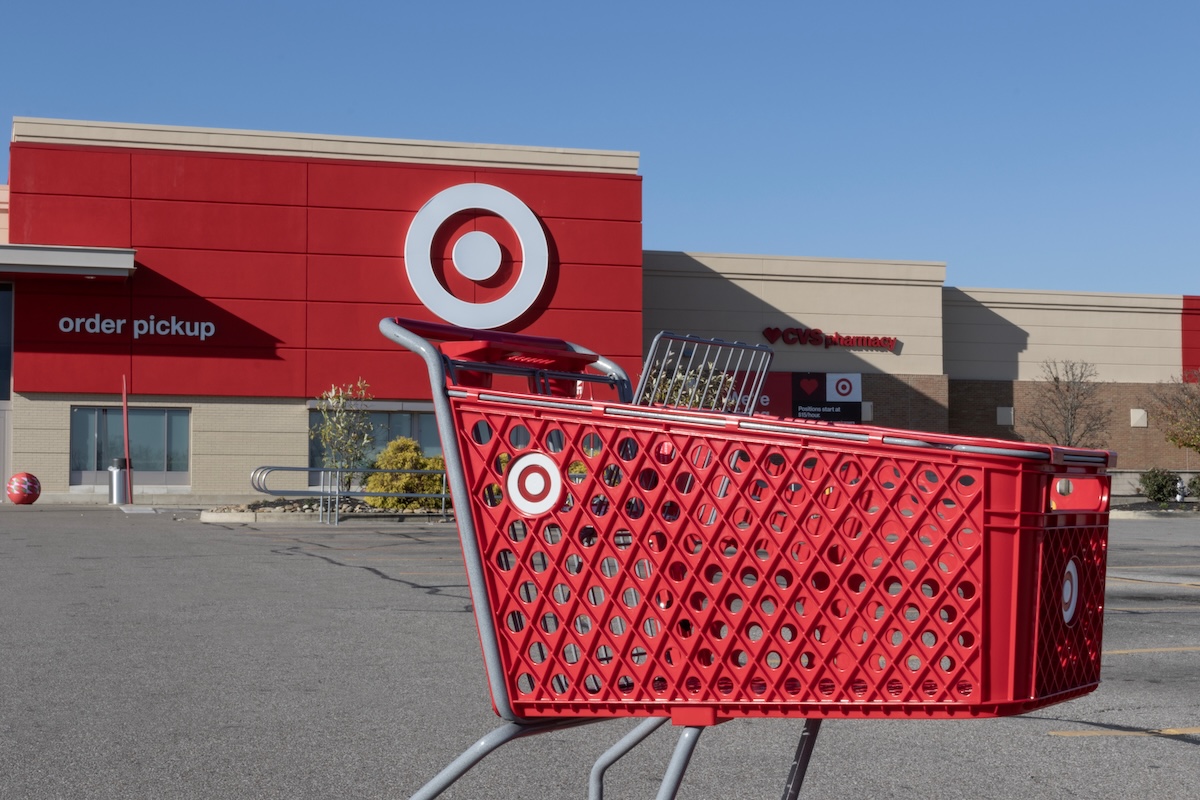
2025 has been described as a “dumpster fire” for Target (TGT), as the retailer grapples with everything from a reputational backlash to weak earnings, and the holiday shopping season is unlikely to meaningfully improve its near-term outlook.
Target shares have dropped nearly 32% since the start of the year and now trade at roughly one-third of their peak value during the pandemic. Over the past five years, the stock has delivered a cumulative return of –47%, making it one of the sector’s weakest performers.
By comparison, the S&P 500 Index’s Consumer Staples Sector has returned more than 25% over the past five years, according to Fidelity data.
One of the few things cushioning longtime shareholders has been Target’s sizable dividend yield of about 4.95%, which is more than double the average for the consumer-staples sector. The company has paid dividends for more than 50 consecutive years.
Target’s core problem is stagnating sales, which have shown little to no growth for roughly half a decade. In October, the company announced plans to cut 1,000 corporate jobs, approximately 8% of its global workforce, in an effort to streamline operations and reduce costs.
“Target is really struggling and does not seem to be able to climb out of the hole it has dug itself into,” said Neil Saunders, an analyst at GlobalData Retail.
The strain was evident in the most recent quarter, with net sales falling to $25.27 billion, missing Wall Street expectations. Even more concerning, the company posted its third consecutive quarter of same-store losses.
Target has failed to adapt to the American consumer
A key driver of Target’s slump has been its struggle to serve an increasingly budget-conscious shopper, a major handicap for a retailer positioned as more premium than its big-box rivals.
American consumers are still grappling with the lingering effects of cumulative post-pandemic inflation and have been trading down to cheaper brands.
While they continue to spend heavily during Black Friday and the holiday season, many are opting for lower-priced alternatives at Walmart and Amazon.
Target said it has cut prices on roughly 3,000 everyday items ahead of the holidays in an effort to stay competitive. This is a critical move given that November and December typically account for nearly 20% of annual retail sales, according to data from the National Retail Federation.
At the same time, the company is investing billions of dollars to remodel stores and refresh its brand experience, hoping to win back foot traffic. It has also partnered with OpenAI to enable customers to shop for Target products directly through ChatGPT.