AI stocks soar to record highs as everyday brands crash

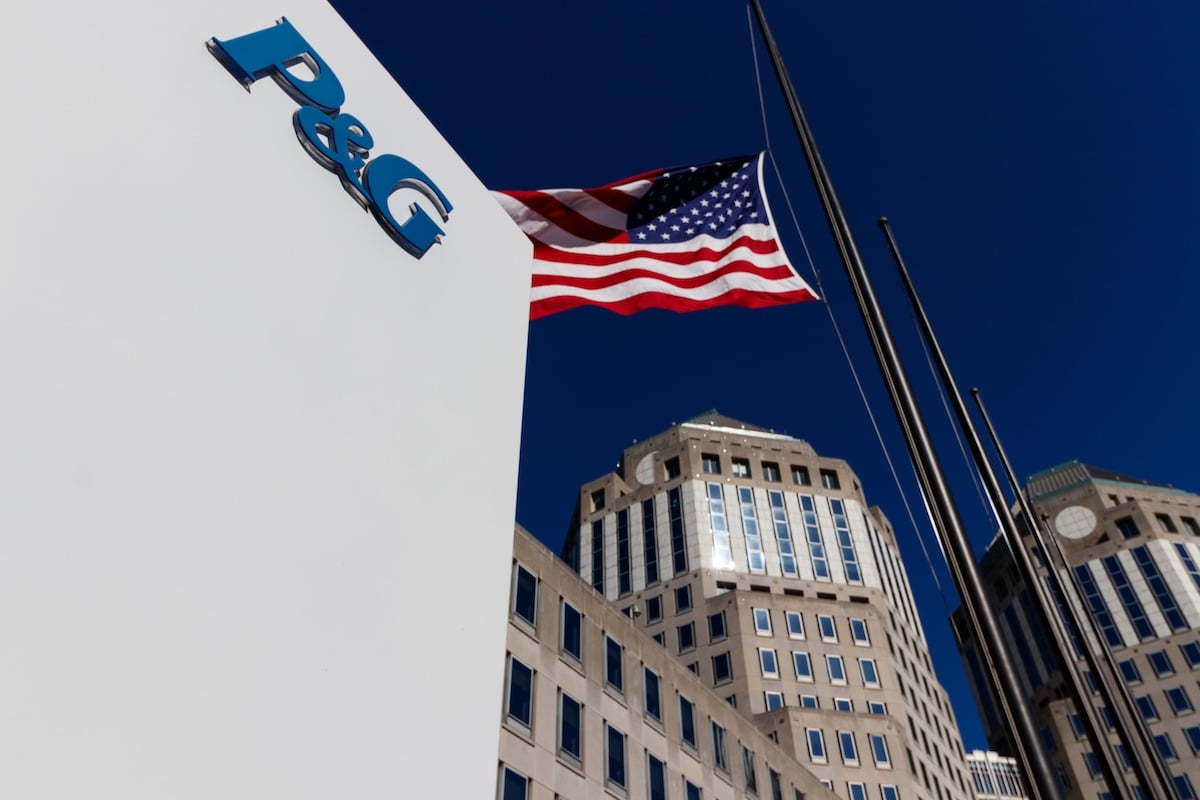
While the S&P 500 remains firmly in a bull market, a large swath of consumer-oriented stocks are in a bear market.
Many well-known consumer staples, including Hain Celestial Group (HAIN), Newell Brands (NWL), Freshpet (FRPT), TreeHouse Foods (THS), Conagra Brands (CAG), and General Mills (GIS), are down between 20% and 80% year-to-date, according to Bloomberg Terminal data.
By contrast, the S&P 500 has gained more than 16% over the same period, notching multiple record highs in recent months.
The divergence is striking for at least two reasons. First, it reinforces the idea that “AI truly is the lifeline of the global economy,” as noted by market commentator The Kobeissi Letter.
Tons of consumer-facing stocks are in or near bear market territory, down 20%+ in 2025.
undefined The Kobeissi Letter (@KobeissiLetter) November 1, 2025
AI truly is the lifeline of the global economy. pic.twitter.com/jBrtMv3N7G
Economists have observed that without AI-related investment and productivity gains, the U.S. economy might be near recession, a divide clearly reflected in stock performance.
Secondly, the weakness across consumer stocks raises concerns about the health of the consumer economy. Typically, consumer staples outperform during uncertain periods thanks to steady demand.
Yet even household names such as Procter & Gamble (PG), Kraft Heinz (KHC), and General Mills (GIS) have fallen sharply this year, suggesting investor sentiment has shifted amid margin pressures and slowing growth across the sector.
Consumer spending growth is cooling
Although U.S. consumption has remained surprisingly resilient amid rising unemployment and trade uncertainty, growth in consumer spending is projected to weaken sharply this year, according to Morgan Stanley.
The bank’s analysts expect spending growth to slow to 3.7% in 2025, down from 5.7% in 2024.
“Spending is likely to cool more visibly among lower- and middle-income consumers,” the analysts said, underscoring the growing divide between higher- and lower-income households.
The expected slowdown comes as more economists anticipate that tariff-related costs will increasingly be passed on to American consumers beginning in the fourth quarter.
Goldman Sachs estimates that households will ultimately bear more than half of the costs stemming from the latest tariff hikes.
S&P Global expects the pass-through of tariff costs to households to be even higher, noting that tariffs have already cost global businesses an estimated $1.2 trillion this year.
As InvestorsObserver recently reported, many Americans are already holding off on major purchases, such as cars, homes, and large appliances.
The University of Michigan’s latest Consumer Sentiment Survey found that buying intentions for durable goods have declined sharply, extending a downtrend that began in 2021.
Weak demand for durable goods could signal a broader slowdown in consumer spending and may translate into softer manufacturing output in the months ahead.