Trump’s trade war just made your morning cup a luxury

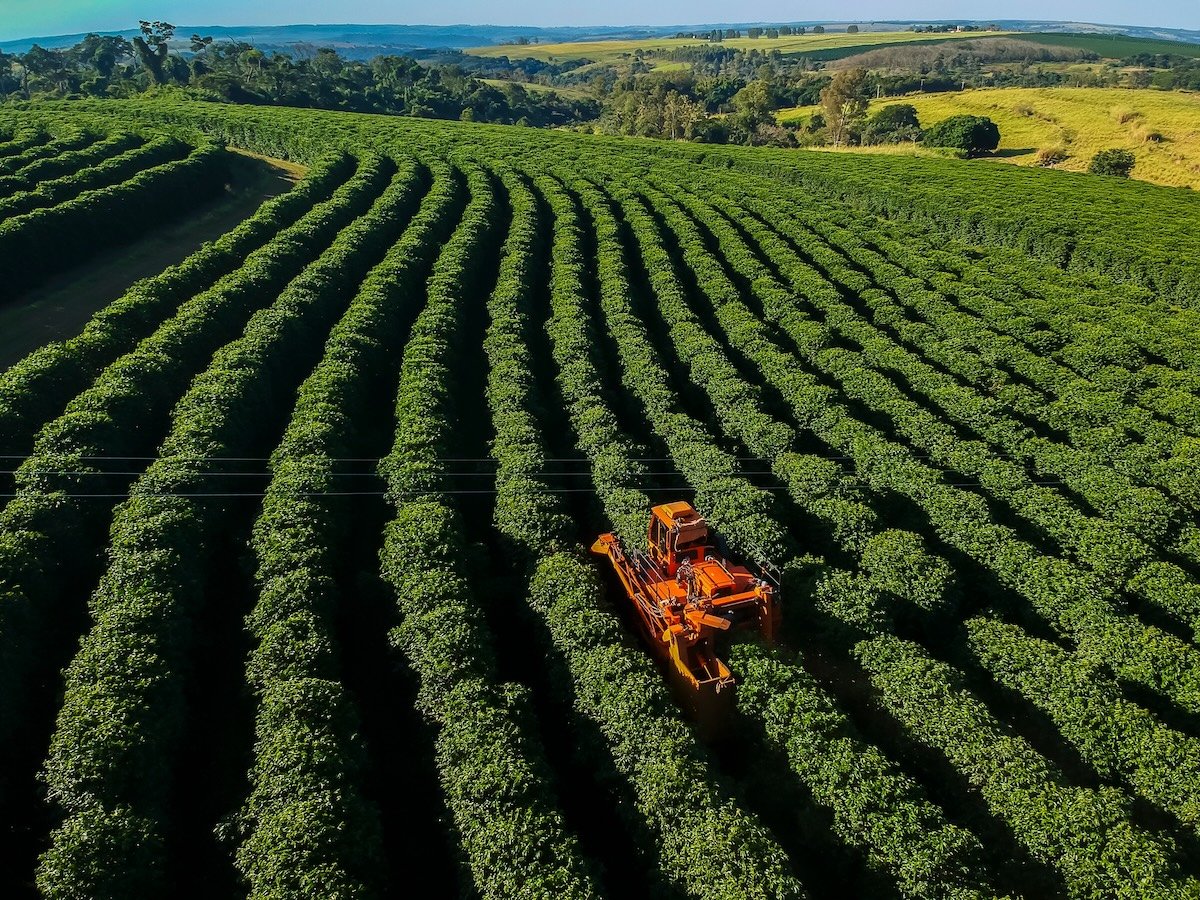
The Trump administration’s renewed trade war could soon spill over into local cafés and kitchen counters as coffee prices soar to record highs, signaling that Americans’ daily caffeine fix is about to get more expensive.
Data from ICE Futures U.S. show that Arabica coffee futures, a benchmark that sets global prices for high-quality coffee beans, have surged in recent weeks, climbing above $4.00 per pound for the first time on record.
Since August, futures prices have jumped roughly 50%, reaching a new all-time high of $4.38 per pound.
The spike follows the Trump administration’s 50% tariff on Brazilian coffee imports in August, which instantly shook the supply chain. Brazil is the world’s largest coffee exporter, responsible for roughly 38% of global production in 2024.
Adding to the pressure, Brazil’s key coffee-growing regions are suffering from worsening drought conditions, while certified exchange stockpiles have plunged to their lowest level since early 2024, leaving traders and roasters scrambling to secure supply.
“Inventories now sit at their lowest level since early 2024, with record-low availability of Brazilian beans,” wrote The Kobeissi Letter, a markets commentator. “Coffee is becoming a luxury.”
For American consumers — among the world’s heaviest coffee drinkers — the surge could soon translate into higher prices at grocery stores and coffee chains alike. It also underscores how tariffs and climate pressures are increasingly feeding into everyday inflation, from gas pumps to the morning cup of coffee.
The great tax transfer is underway
After initially absorbing much of the tariff impact, U.S. companies are now beginning to pass those costs on to consumers. Economists at Goldman Sachs estimate that American households will ultimately shoulder about 55% of the costs stemming from recent tariff increases.
Meanwhile, S&P Global projects that businesses will absorb roughly one-third of the tariff burden, with the remainder falling on consumers.
Overall, S&P Global estimates that tariffs will cost global businesses nearly $1.2 trillion this year, leaving limited room for corporations to continue shielding consumers from rising costs.
While the recent spike in Brazilian coffee prices is partly due to uncontrollable factors such as drought and poor harvests, the trade war has undoubtedly made matters worse.
According to data from the U.S. Trade Representative, total trade in goods and services between the United States and Brazil reached nearly $128 billion in 2024, up 12.2% from the prior year.
The two nations have deepened commercial ties since signing the Agreement on Trade and Economic Cooperation in 2011.
Now, with the Trump administration reversing decades of trade liberalization, Americans may have to get used to a new reality — higher prices on everyday goods that were once taken for granted.