Markets flinch after Trump shrugs off the dollar’s latest slide

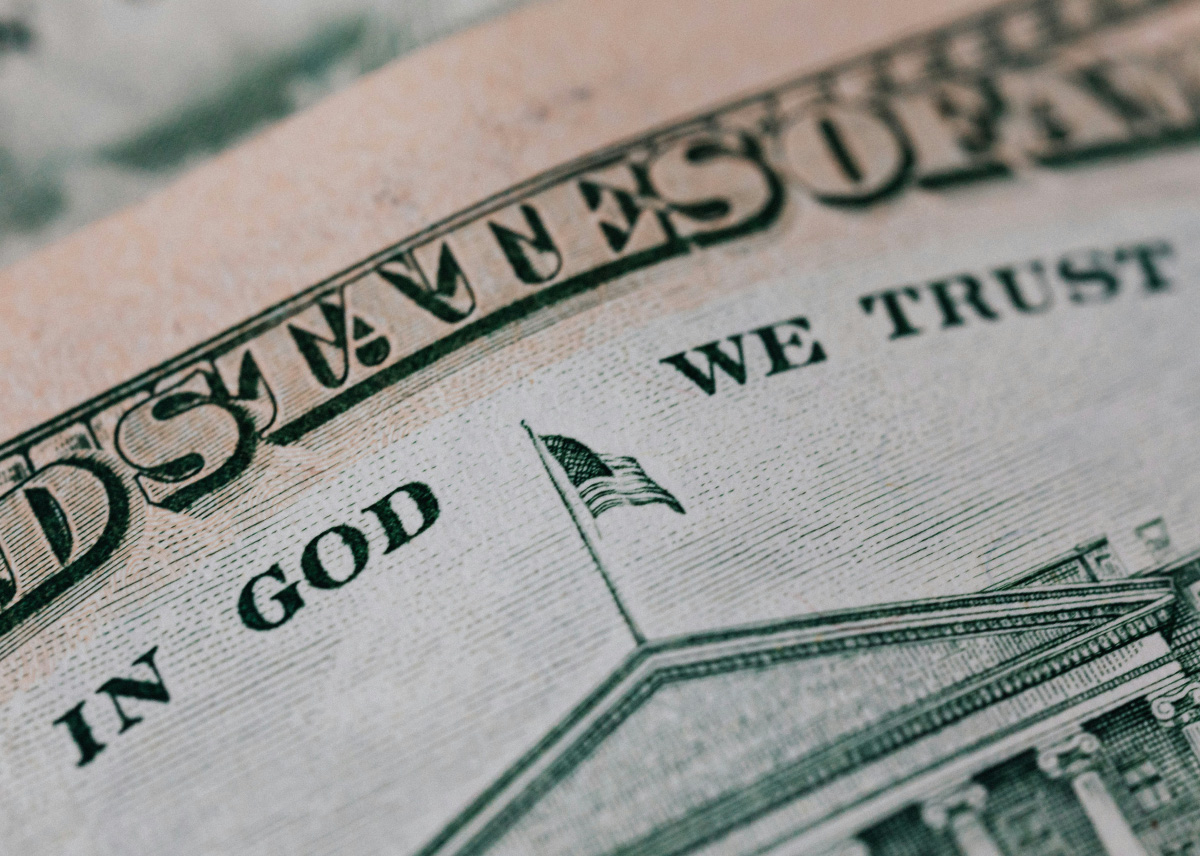
We’ve previously discussed the greenback’s ongoing weakness against other major currencies, pressured by softer growth expectations, massive budget deficits, and shifting global capital flows. But investors did a fresh double take this week when President Trump openly cheered the dollar’s decline, brushing off market anxiety and suggesting DC isn’t in a hurry to defend the currency’s strength with direct action.
What’s the fallout?
Since Jan. 19, the dollar has fallen more than 3% against a basket of major currencies, hitting its weakest level in nearly four years earlier this week. After Trump said he thinks “it’s great” when asked about the decline, selling pressure intensified.
Institutional analysts say the issue isn’t just his words, but the deeper message it reinforces:
- Capital Economics warns the dollar’s rapid drop looks less like a healthy adjustment and more like a shock to confidence.
- Brookings Institution’s Robin Brooks says the dollar could fall another 2%-3% if markets sense another policy misstep.
- Ladenburg Thalmann notes foreign investors aren’t dumping US assets outright, but are hedging exposure.
The common concern is that while a weaker dollar helps exporters, it chips away at foreign appetite for US Treasury bonds. Higher yields could follow from there, posing a real problem as the national debt nears $38 trillion.
What investors should know
Despite the anxiety, not everything is breaking at once. Treasury Secretary Scott Bessent sought to reassure markets yesterday, reiterating a “strong dollar policy” and helping the US Dollar Index rebound about 0.5% from a low point under 96. The bounce shows markets still respond to institutional guardrails, at least for now.
Among the ongoing political risks are political pressure threatening Fed independence, fiscal deficits weakening long-term confidence, and a massive boost to gold prices that sent the metal past $5,400 an ounce midweek.
The takeaway for retail investors is that a softer dollar isn’t always a bad sign … but when currency moves are driven by policy uncertainty rather than economics, volatility is a natural result. From here, it’ll be important to watch bond markets closely and treat sharp dollar moves as legitimate signals instead.