The greenback continues to slide as global risk stacks up

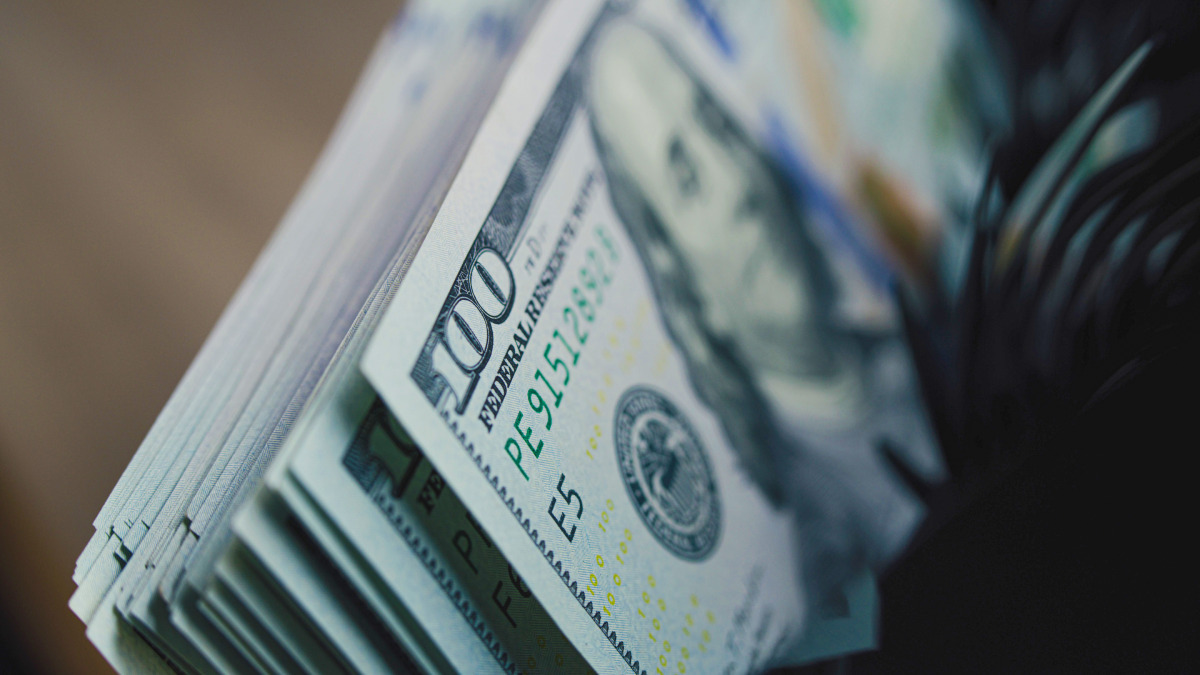
It was another dismal day for the US dollar, and it’s not going down quietly. After weeks of declines, the greenback has slipped to its weakest level in nearly four years.
Economic stress, political uncertainty, and shifting global capital flows are weighing on sentiment. And given the dollar’s central role in global trade, markets, and portfolios, its sustained weakness can have a wide-ranging ripple effect.
Measuring the dip
The Bloomberg Dollar Spot Index fell as much as 0.7% to round out its fourth straight day of losses, reaching its weakest level since March 2022. Analysts point to a growing list of structural and political risks:
- Unpredictable US policy, including tariff threats and Greenland-linked geopolitical tension
- Concerns over Fed independence amid speculation that future leadership could lean toward easier policy
- Widening budget deficits and rising debt, which undermines long-term fiscal credibility
- Shrinking growth and rate advantages as other nations ramp up defense spending and economic stimulus
Institutional investors are responding fast, with trading volumes in currency markets hitting their second-highest level on record and hedging costs against further dollar weakness at the highest level since 2011.
Barclays strategists say the “risk premium” on the dollar is building, while Brown Brothers Harriman warns that structural drag may outweigh any near-term economic strength.
And a weaker dollar has boosted other currencies, including the euro and British pound, both of which are at their strongest levels in five years. The Japanese yen has also rallied amid speculation of intervention.
As capital looks far and wide for opportunities, emerging market currencies are posting record gains of their own.
Gold keeps on climbing
The same forces pressuring the dollar are powering gold’s ongoing surge. Institutions see bullion as a hedge against currency debasement, not to mention policy uncertainty and geopolitical risk.
UBS’s chief investment office notes that gold’s role as a diversifier has been reinforced with prices possibly barreling toward $5,400 per ounce if volatility spikes. The metal added more than $100 yesterday alone to trade above $5,200 less than a week after first crossing the $5K threshold.
At this point, a portfolio allocation in the mid-single-digit range is increasingly seen as prudent, not aggressive.
Bottom line? Dollar weakness is a signal of more than just confidence in a currency. As fiscal and political stability wavers, diversification becomes even more important.