UPS caught in the freight slump as a disastrous 2025 finally comes to an end

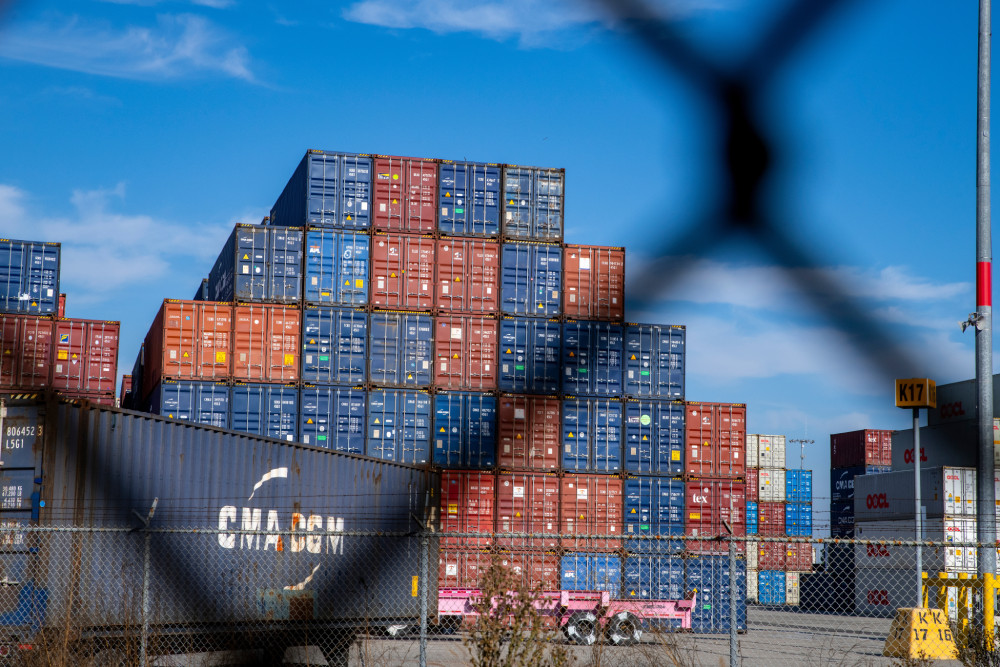
The ongoing, multi-year freight recession has taken a visible toll on United Parcel Service (UPS), as weak demand and persistent excess capacity continue to pressure transport and freight volumes — effects that have lingered even through the typically strong holiday shipping season.
In October, InvestorsObserver reported that the U.S. freight downturn showed little sign of easing, following a September analysis indicating that freight activity had fallen to levels last seen during the 2008 financial crisis.
The slowdown, which began after the post-pandemic shipping boom faded, has been compounded by trade uncertainty and higher tariffs that have weighed on global goods movement.
For UPS, the connection to the freight recession is significant, though not always straightforward.
While the company is best known for parcel delivery rather than long-haul trucking, its business remains closely tied to overall freight flows and broader shipping demand. As those volumes have softened, pressure on revenue and profitability has followed.
Industry analysts have repeatedly described the current environment as “very difficult” for transportation and logistics companies, including UPS.
Adding to the strain, UPS earlier this year confirmed a planned “glide-down” in its relationship with Amazon, historically its largest customer.
The company said it would deliberately reduce lower-margin Amazon volume in favor of more profitable clients, a strategic shift aimed at improving long-term returns but one that has created near-term revenue headwinds.
The transition has been costly. UPS announced significant workforce reductions in 2024, cutting tens of thousands of jobs as volumes declined and the Amazon pullback accelerated.
UPS turbulence, with a silver lining
For investors, the result has been a turbulent period marked by restructuring and uncertainty over when shipping demand might recover.
While management insists the company is positioning itself for a healthier, higher-margin future, the freight recession has made the path forward far more painful than many anticipated.
One area where UPS continues to stand out, however, is shareholder returns. At recent share prices, the company offers a dividend yield of roughly 6.5%, well above the average for the industrials sector and among the highest yields in large-cap U.S. logistics.
UPS has also increased its dividend for 16 consecutive years, underscoring management’s commitment to income-focused investors even as the business navigates cyclical headwinds.
As a result, long-term shareholders are being compensated for patience while the company works through its strategic reset.
Operationally, UPS remains a logistics heavyweight. The company has generated more than $21 billion in quarterly revenue throughout 2025, and analysts expect sales to rise toward $24 billion in the final quarter of the year, reflecting seasonal demand and ongoing scale advantages.