Trump's 'TACO' retreat helps minimize 'Sell America' trade

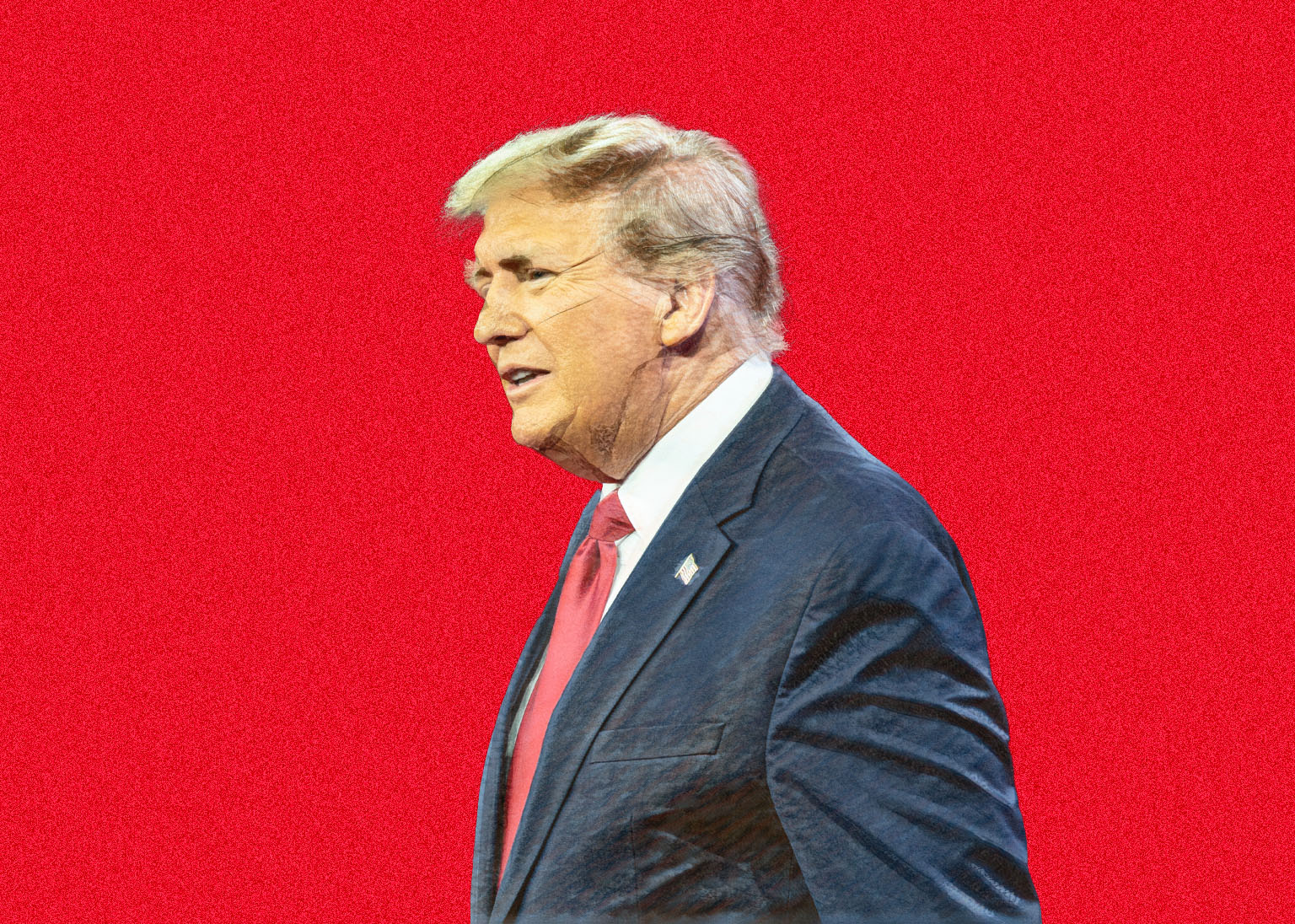
As the end of the week nears, it looks like the "Sell America" trade has turned into the "TACO" trade.
On Tuesday, investors began selling off US assets after President Trump increased his threats of levying tariffs on European allies who opposed his push to take control of Greenland, igniting fears that another trade war was brewing.
The selloff brought to mind the "Sell America" trade that happened in April following Trump's wide-ranging "Liberation Day" tariffs, which sent the S&P 500 to its lowest level in almost a year and the Dow and Nasdaq plummeting to their worst closings since January 2024.
However, when the selloff reached the US Treasuries - long considered the ultimate safe haven for investors across the globe - Trump backed down and softened his most extreme tariff threats.
It was the beginning of what has become a familiar pattern: Trump makes bold threats on tariffs, the markets react negatively, and then Trump calls off the threats and the markets rally.
These rallies have become known as the "TACO" trade, or the Trump Always Chickens Out trade.
This scenario played out again this week.
On Tuesday morning, after Trump's threats over Greenland had intensified, the Dow slid 800 points, the S&P 500 and Nasdaq dropped 2%, while US bond yields crashed and yields spiked.
“This is ‘Sell America’ again within a much broader global risk off,” Krishna Guha, head of global policy and central banking strategy at Evercore ISI, wrote in a note to clients on Tuesday as the markets tumbled.
It suddenly seemed as though the markets were heading back into the same level of volatility that occurred last spring after Trump launched a trade war with both adversaries and allies alike.
“’Sell America’ is back in a new form,” Gina Martin Adams, chief market strategist at HB Wealth, told MarketWatch. “We came into this year with the market complacent on the idea that trade-policy risk was a 2025 story. It’s clearly something we will need to contend with in 2026.”
TACO Wednesday rallies the market
But then on Wednesday, Trump backed down, announcing in a post on Truth Social that he had "a very productive meeting" with Mark Rutte, the secretary general of NATO.
“We have formed the framework of a future deal with respect to Greenland and, in fact, the entire Arctic Region,” Trump said. “This solution, if consummated, will be a great one for the United States of America, and all NATO Nations.”
And because of this "understanding," Trump added, "I will not be imposing the Tariffs that were scheduled to go into effect on February 1st."
This retreat transformed the "Sell America" trades into "TACO" trades on Wednesday, with the S&P 500 having its best day in two months.
“Donald Trump’s TACO bell has rung once again, much to the joy of financial markets,” Russ Mould, investment director at AJ Bell, wrote in a client note on Thursday morning.
“Trump has form in chickening out of his threats … there are a lot of similarities with the liberation day market wobble in April 2025 and now."
Bell noted that what almost always causes Trump to back down is when investors turn on him.
“In both situations, Trump took an aggressive stance and then backed down after financial markets wobbled," wrote.
However, Trump appeared to renew his threats in an interview with Fox Business from Davos, Switzerland on Thursday. This came after Jo Taylor, who manages the Ontario Teachers’ Pension Plan, one of the largest public investors in the world with $200 billion assets under management, told Bloomberg TV that the fund is cutting its exposure to both the US dollar and US Treasuries.
Trump was asked about other funds following a similar "Sell America" strategy.
“There would be a big retaliation on our part,” he said. “We have all the cards.”