‘Ratings confusion’ has BOE governor warning of a 2008 repeat

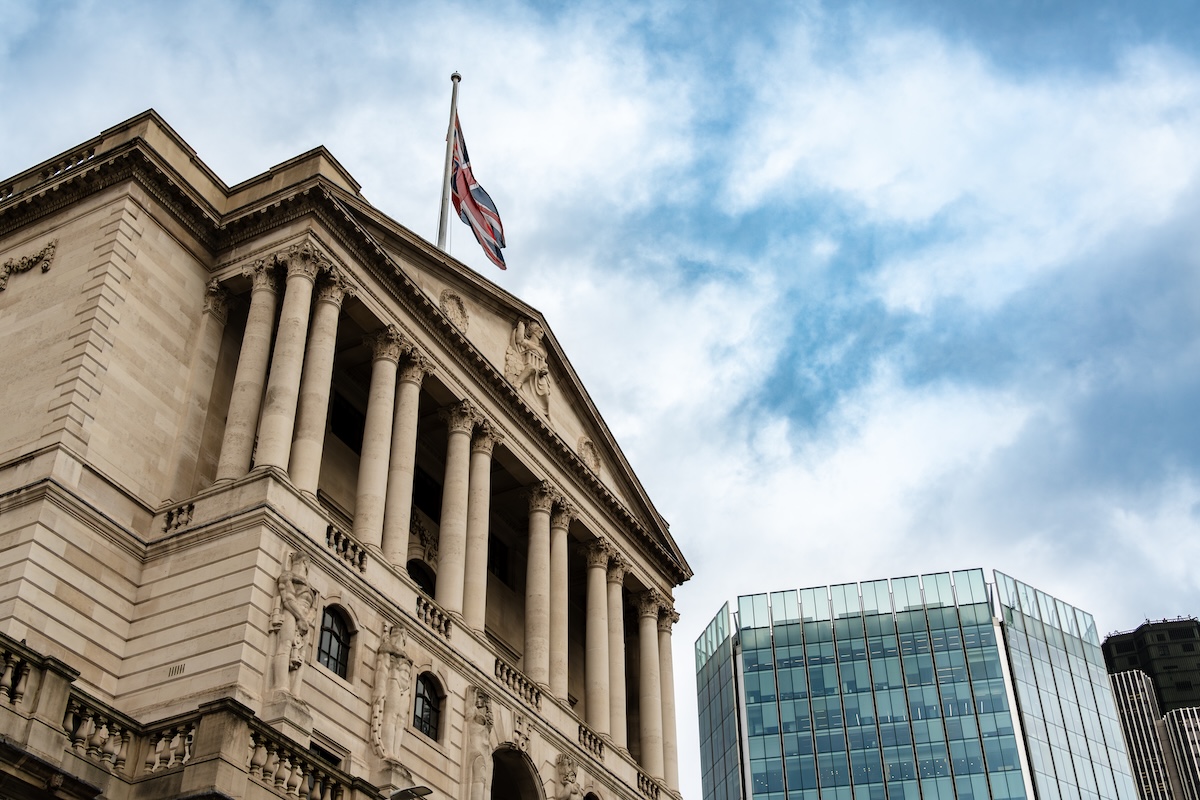
Bank of England (BOE) officials have sounded the alarm over the ballooning $1.7 trillion private credit market, but not necessarily for the reasons most investors expect.
Governor Andrew Bailey and Deputy Governor Sarah Breeden said their recent conversations with industry participants were largely upbeat, with Bailey noting that “everything was fine in their world.”
The one caveat, he added, was the role of credit-rating agencies, which insiders themselves flagged as worrying.
“I said, ‘Well, we’re not playing that movie again, are we?’” Bailey said, referring to the missteps that contributed to the 2008 financial crisis.
Market participants appear increasingly uneasy about the quality and consistency of credit ratings in the fast-growing private credit space.
As these markets evolve, rating-agency models may struggle to keep pace, heightening the risk of a mismatch between what a rating implies and the true level of underlying exposure.
That concern draws striking parallels with the subprime mortgage crisis, when rating agencies badly misjudged structured credit products and investors placed too much faith in the idea that a high rating equated to safety.
If investors once again start treating a rating as synonymous with security, Bailey warned, that would be a dangerous sign.
Credit markets show signs of strain
Concerns about credit ratings and the potential fallout from bad loans have intensified following the high-profile collapses of subprime lender Tricolor Auto Group and auto parts dealer First Brands.
As InvestorsObserver reported, the Tricolor failure raised fears that losses could ripple across the financial sector, including among major banks such as JPMorgan, Barclays and Fifth Third Bancorp.
Fifth Third Bancorp, in particular, is believed to face as much as $200 million in potential losses tied to Tricolor’s collapse.
While banking insiders have been quick to characterize these as isolated incidents rather than signs of broader systemic risk, JPMorgan Chase CEO Jamie Dimon offered a cautionary analogy, comparing the situation to finding “cockroaches.”
"If you see one, there are probably more," he said.
“I suspect when there’s a downturn, you will see higher-than-normal downturn type of credit losses in certain categories,” Dimon said.
Analyst and speaker Kristin Shaughnessy took a more cautionary view, warning that the risks within private credit could be far more widespread.
“Private credit has so much exposure that could go bad,” she said. “And because it’s largely unregulated, it’s hard to know exactly how massive the risk is.”
Shaughnessy pointed to potential cracks emerging in subprime auto loans and commercial real estate as possible tipping points for broader market stress.