Worst trade of the century? Canada sold gold at the worst possible time

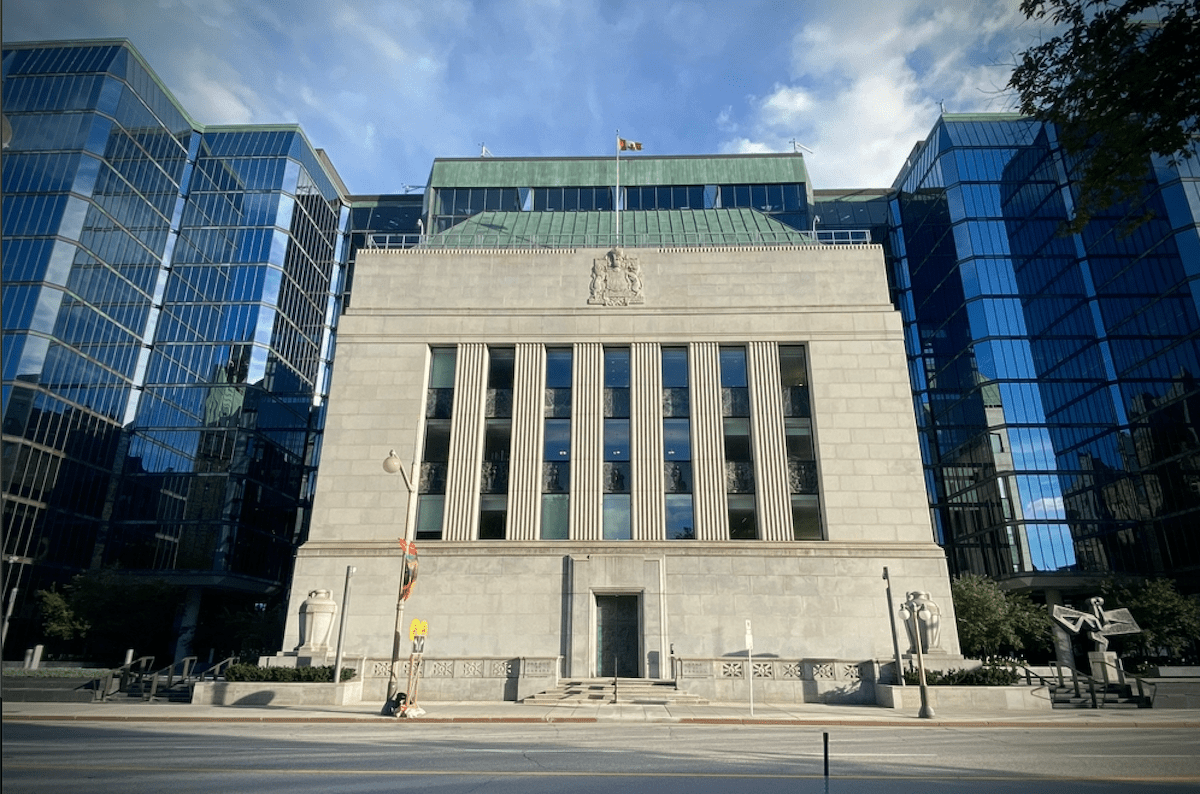
Canada’s economic woes continue to draw scrutiny as the country grapples with rising debt levels, slowing growth, and a distinction that sets it apart from its peers.
The nation no longer holds a single ounce of gold in its official reserves, even as many central banks worldwide increase bullion holdings to diversify away from U.S. dollar exposure.
According to Katusa Research, Canada’s gold reserves were valued at $1.15 billion in 1965. At today’s prices, that same quantity of gold would be worth roughly $150 billion.
Canada, however, sold its holdings over time, making it the only G7 nation without bullion reserves.
Official data backs this up. Figures from the Bank of Canada show the country’s international reserves listed zero gold holdings as of Dec. 23, 2025.
In the mid-1960s, Canada’s official gold reserves exceeded 1,000 metric tonnes, reflecting an era when gold played a central role in reserve management.
Over the following decades, those holdings were steadily reduced through the 1990s and 2000s. By 2016, the remaining amounts had been fully liquidated, leaving Canada without any bullion reserves.
The move is at odds with the aggressive buying spree by global central banks in recent years.
The bullion arms race
As Canada remains absent from the gold market, it has effectively sidelined one of the oldest tools of reserve management.
Beyond diversification, gold offers central banks a range of strategic benefits: it carries no counterparty risk, is not tied to the policy decisions of any single country, tends to hold value during periods of inflation or financial stress, and can serve as a geopolitical hedge in times of sanctions or currency volatility.
While Canada has stepped back, global central banks have moved in the opposite direction, engaging in what increasingly resembles a bullion arms race.
“Central banks are in their longest gold-buying spree on record,” wrote Mike Zaccardi, a chartered financial analyst, citing data from Bank of America and Bloomberg.
Central Banks are in their longest gold-buying spree on record. BofA pic.twitter.com/ZaCRYpUUKM
undefined Mike Zaccardi, CFA, CMT :meat_on_bone: (@MikeZaccardi) December 26, 2025
That data shows a clear shift beginning in the early 2010s, when central banks began accelerating gold purchases. The trend intensified after the pandemic, as governments responded to massive fiscal stimulus, rising inflation, higher debt levels, and growing concerns about currency debasement.
Russia’s invasion of Ukraine and the subsequent freezing of foreign reserves further reinforced gold’s appeal as a reserve asset beyond the reach of sanctions.
Against this backdrop, gold has entered a powerful bull market, recently setting new all-time highs. The yellow metal has climbed more than 65% over the past 12 months, reflecting strong demand from both investors and central banks.