Uber’s next detour could make it a sector leader… or a laggard

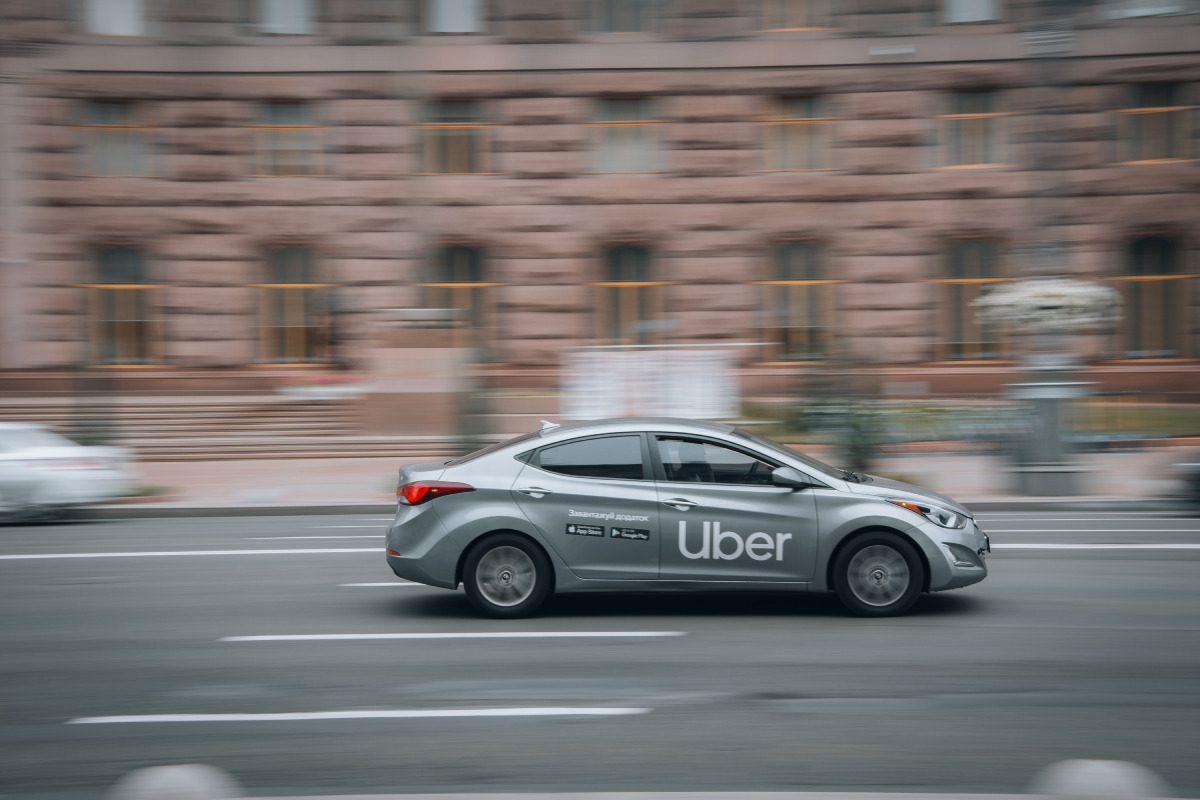
Just as the company upended the taxi industry a decade ago, a new wave of autonomous and even airborne taxis is threatening to disrupt Uber’s tech-focused business model. But the ride-share giant isn’t sitting still.
Uber is aggressively expanding partnerships, layering in new services, and betting big on the future of mobility.
As for whether that strategy translates into durable stock momentum, analyst opinions are divided.
Navigating a shifting roadmap
Uber is playing offense on multiple fronts as the market evolves. Among the key strategic moves are:
- Plans to integrate parking reservations into the app with the acquisition of SpotHero
- More than a dozen autonomous vehicle partnerships, including work with Waymo, Baidu, and Wayve
- A new unit offering insurance, financing, and fleet software to AV operators
- Partnering with Joby Aviation to eventually offer electric air rides in the Uber app
Financially, the company looks strong but not bulletproof. Uber recently posted better-than-expected Q4 revenue, driven largely by delivery growth. At the same time, soft profit guidance put downward pressure on UBER stock.
Markets are watching an array of indicators, including market cap lagging far behind Lyft, delivery competition from DoorDash, and ongoing regulatory risks. There’s also the matter of multibillion-dollar AV commitments to consider.
So what’s the big picture? Uber does appear to be expanding intelligently, but execution risk could be the deciding factor.
Can it withstand market pressures?
Despite volatility and uncertainty, some institutional voices see opportunity. Uber trades around 21x forward earnings and 13x forward free cash flow, both of which are below sector averages.
And the bullish narrative is further supported by institutional research. AVs stand to revolutionize the industry and remove billions in driver-related costs. And Uber’s 200+ million global users has created a powerful growth network.
Some insiders say AV might even improve margins over time by eliminating driver incentives and insurance expenses, which are factors investors don’t always consider.
As for where Uber’s money currently comes from, roughly half of its revenue comes from delivery and about half is generated outside of the US.
That optimism is tempered by nagging risks, including: rapid AV scaling among its rivals, legal challenges related to drivers, and concerns that Uber isn’t asset-heavy enough to remain competitive.
Instead of being disrupted itself, Uber is trying to lead this disruption cycle too. If that execution succeeds, today’s valuation could look like a bargain in retrospect. And investors are showing a little interest. Midweek trading tacked on 2% to share prices, reversing a slide that opened the week.
But this is a long-game scenario and, until the proof backs it up, analysts aren’t expecting a rocketship rally.