Starbucks turnaround path arrives at a crossroads

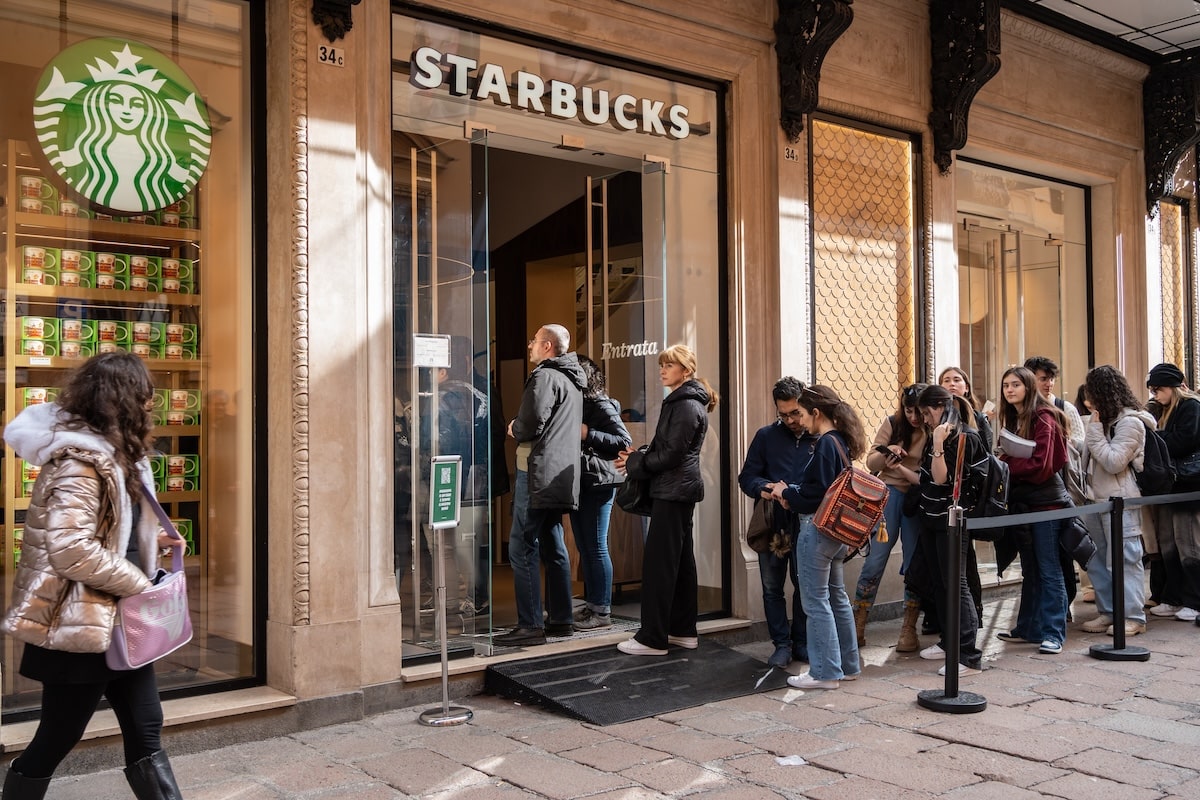
Executive shakeups have moved markets in recent years, but few created as much buzz as Starbucks’ decision to bring in Brian Niccol from Chipotle. Investors cheered the move on hopes that a proven operator could reignite growth at a brand that has defined modern coffee culture.
But the backdrop has shifted since then and the outlook isn’t quite as clear.
Feeling pressure from all sides
Starbucks is trying to reclaim its identity as a “third place,” or somewhere between home and work. Yet that strategy comes with friction.
Viral incidents have highlighted operational challenges and six straight quarters of same-store sales declines point to softer demand.
Meanwhile, the financial picture shows strain:
- Quarterly revenue ticked up 5.5% year over year
- Net profit was down sharply from $780M to $293M
- EPS missed estimates to come in at $0.56
- Operating margin was down 6.8 percentage points
- Forward P/E around 40x trailed P/E above 80x
And costs have risen faster than revenue. Over six years, earnings per share have declined roughly 5.9% annually. Yet the stock trades at a premium of roughly triple McDonald’s earnings multiple despite McDonald’s own increased share of the coffee market.
Where big money stands
Analyst views reflect the tension, with consensus giving Starbucks stock a “moderate buy” rating and price targets implying just 2%-5% upside. Some firms have issued outright sell ratings, including a $59 target from DBS. Shares dipped below $97 Thursday to close out the session more than 2% lower.
Institutional investors own over 72% of Starbucks shares. Funds like Providence Capital Advisors initiated new positions last quarter, signaling belief in a longer-term turnaround trajectory. But expectations are demanding. The company’s EPS guidance for FY2026 is well below analyst expectations, suggesting execution could be a concern.
But despite it all, Starbucks remains a globally recognized corporation with scale and brand power to spare. While keeping an eye on Niccol’s plans to improve operations, retail investors will be considering whether those improvements are enough to justify the price they’re paying today.