Here's why Best Buy, Walmart, and Gap are rallying despite souring sentiment

While the massive investment in AI data centers is "clearly one of the biggest sources of growth in the economy," consumer spending is actually playing a "substantially bigger" role in that growth, Powell said during a recent press conference.
Powell said that the way consumer spending in the US has increased even after President Trump's tariffs “has defied a lot of negative forecasts and continues to do so this year.”
But the Fed chair also acknowledged that the spending is likely skewed toward “mostly higher-end consumers.”
After some of the biggest retailers in the US also recently defied some of the negative forecasts with their their-quarter earnings, Powell's assumption on who's spending money turned out to be both right and wrong.
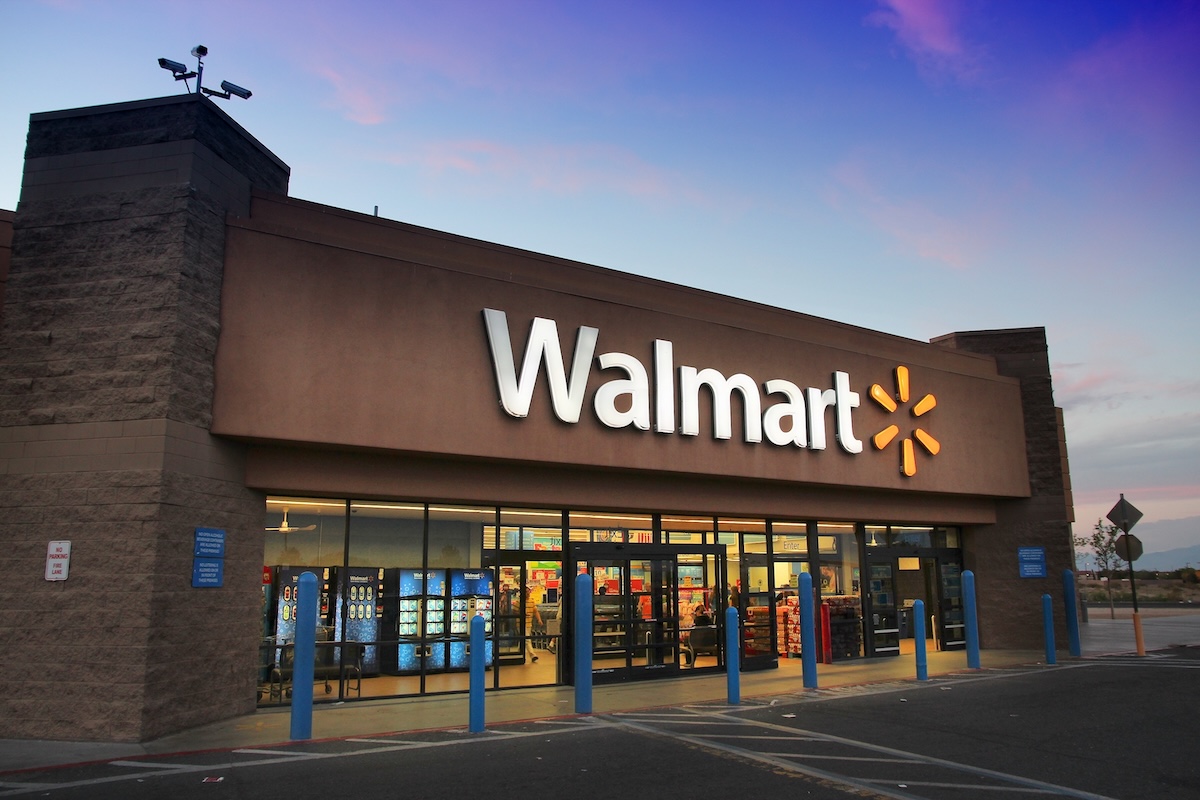
"The disparity between the low-income cohort and the upper-income cohort has grown a little bit in more recent months," Walmart (WMT) CFO John David Rainey told Yahoo Finance, noting that the lower-income consumers were spending less.
However, box stores like Walmart that have long catered toward middle class and lower income consumers appear to be seeing an uptick in business as macroeconomic indicators in the US are starting to show signs worsening.
Walmart reported adjusted earnings of 62 cents a share in Q3, above Wall Street's expectation of 60 cents. Its revenue rose 6% to $179.5 billion, beating analyst projections of $177.6 billion.
Its stock is up 18.4% for the year.
Meanwhile, John Klinger, CFO of TJX Companies (TJX), which owns retailers like T.J. Maxx and Marshalls, said during the company's Q3 earnings call that while the company targets consumers across a broad range of ages and incomes, "it was the lower income demographic that was driving the (sales growth)in the majority of our geographies."
TJX companies reported a 5% increase in sales for the quarter. Its stock is up 26.1% for the year.
Even some retailers who aren't necessarily targeting lower-income consumers still delivered solid numbers for the quarter despite growing concerns about the American economy.
Best Buy (BBY), the largest consumer electronics chain in the US, reported a 2.7% increase in comparable-store sales, its highest jump in three years.
It reported a net income of 66 cents per share, about 9 cents higher than Wall Street's expectations.
Perhaps most encouraging for investors is that the company raised its outlook for the current year.
Best Buy is now expecting earnings per share to be between $6.25 and $6.35 per share, up from its previous projection of $6.15 and $6.30. It is also projecting sales to come in between $41.65 billion to $41.95 billion for the year, higher than its original forecast of $41.1 billion to $41.9 billion.
And Gap (GAP) reported a 5% increase in comparable-store sales, beating analyst expectations of 3.26%. Its earnings per share came in at 62 cents, compared to an expectation of 59 cents.
The company also raised its fiscal year outlook, expecting sales to increase 1.7% and 2%, compared to its previous forecast of 1% and 2%.
Gap's stock is up 12.6% for the year.
Consumer sentiment is dropping
Despite a slew of retailers delivering a surprising earnings beat for the latest quarter, keeping up the momentum going into 2026 could prove challenging.
Data shows that US consumers are now growing increasingly concerned about where the economy is heading, which could finally begin to tighten spending.
The Conference Board reported on Tuesday that its latest reading of consumer confidence hit 88.7 in November, down from 95.5 in October.
“Consumer confidence tumbled in November to its lowest level since April after moving sideways for several months,” Dana M Peterson, chief economist of The Conference Board, said in a statement.
What could be concerning for retailers is that consumers appear to be harboring significant concerns about where the economy is heading next year.
With the jobless rate in September hitting its highest level since October 2021, there is a growing sense that macroeconomic conditions are trending downward.
“Consumers were notably more pessimistic about business conditions six months from now." Peterson said. "Mid-2026 expectations for labor market conditions remained decidedly negative, and expectations for increased household incomes shrunk dramatically, after six months of strongly positive readings.”