Novo Nordisk (NVO) sues Hims & Hers over copycat weight loss pill

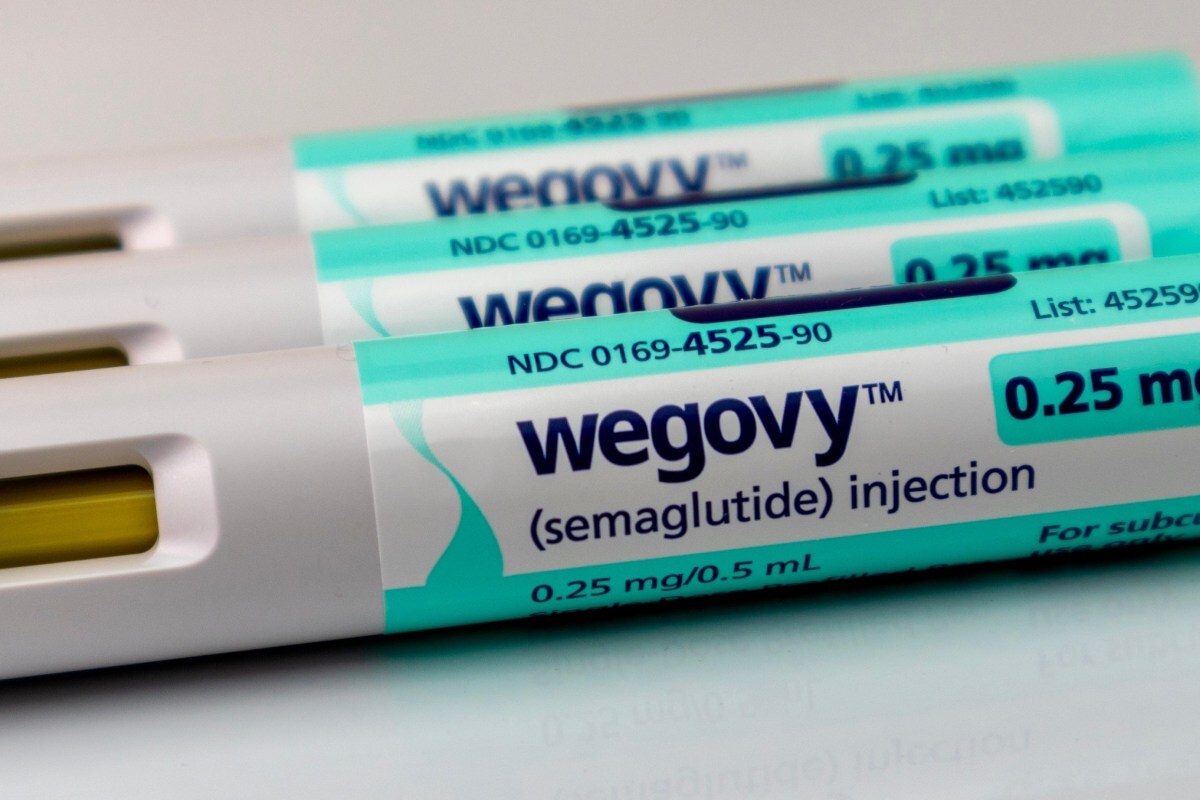
Novo Nordisk (NVO) announced on Monday that it has filed a lawsuit against Hims & Hers Health, Inc. (HIMS) for patent infringement after its rival released a copycat version last week of its popular Wegovy weight-loss pill.
However, prior to filing the lawsuit, Hims said on Saturday that it was pulling its compounded semaglutide pill from the market.
"Since launching the compounded semaglutide pill on our platform, we’ve had constructive conversations with stakeholders across the industry," the company said in a post on X.
"As a result, we have decided to stop offering access to this treatment. We remain committed to the millions of Americans who depend on us for access to safe, affordable, and personalized care."
Novo is moving forward with its legal action despite Hims' decision to withdraw its drug, accusing the company of "duping consumers and healthcare professionals as to the clinical benefits and safety of these unapproved drugs."
“This includes Hims’ recent launch, and two days later, abrupt discontinuance of its ‘Compounded GLP-1 Pill,’ which came on the heels of Novo Nordisk’s introduction of the Wegovy pill, the first and only FDA-approved GLP-1 pill for weight loss,” Novo said in a statement announcing the lawsuit.
Novo's Wegovy pill has a starting price of $149, while Hims' copycat pill was being priced at $49. Novo's stock sank 8.2% on Thursday after Hims launched its copycat version.
Marty Makary, commissioner of the US Food and Drug Administration (FDA), posted a statement on X a few hours after Hims announced the launch of its new drug that the FDA "will take swift action against companies mass-marketing illegal copycat drugs," but without specifically naming Hims.
That changed on Friday, when the agency released an official statement, announcing "its intent to take decisive steps to restrict GLP-1 active pharmaceutical ingredients (APIs) intended for use in non-FDA-approved compounded drugs that are being mass-marketed by companies."
The FDA also noted that it was "taking steps to combat misleading direct-to-consumer advertising and marketing following warning letters that were sent in the fall of 2025."
One of these letters were sent to Hims CEO Andrew Dudum in September 2025 alleging that his company’s claims about its compounded semaglutide products that are used for weight loss are “false or misleading.”
"In promotional materials, companies cannot claim that non-FDA-approved compounded products are generic versions or the same as drugs approved by FDA," the agency said on Friday. "They also cannot state compounded drugs use the same active ingredient as the FDA-approved drugs or that compounded drugs are clinically proven to produce results for the patient."
Novo seeks to recover unspecified damages in lawsuit
Shares of Hims plunged 27% in early trading on Monday before closing down 16%. Novo's stock gained 3.6%.
“Throughout Novo Nordisk’s 103-year-long history, patient safety has always been our top priority,” John F. Kuckelman, senior vice president and group general counsel for Novo said in a statement.
“Hims & Hers is mass marketing unapproved knock-off versions of Wegovy and Ozempic that evade the FDA’s gold standard review process – that’s dangerous and deceptive to patients, and undermines the scientific innovation and regulatory rigor in place to ensure these treatments are safe and effective.”
Novo is asking the court to permanently ban Hims from "selling unapproved, compounded drugs that infringe our patents" and is also seeking to recover unspecified damages.
Separately, the FDA sent a letter to Novo on Thursday in which it told the Danish healthcare company that a recent television ad for Wegovy was "false or misleading" by claiming that it offers an improvement over other weight-loss drugs in the GLP-1 class.
A spokeswoman for Novo confirmed to Reuters that it had received the letter, but that it wasn't referencing their TV advertisement that ran during Sunday's Super Bowl game.
According to the FDA's letter, Novo "misleadingly imply benefits beyond physical weight loss, such as emotional relief, reduced psychological burden, hope, or direction for patients' lives, positioning the drug as a solution to broader life challenges rather than a treatment for a specific condition, when this has also not been demonstrated."