Nio sells more cars, but Wall Street sends the stock into a tailspin

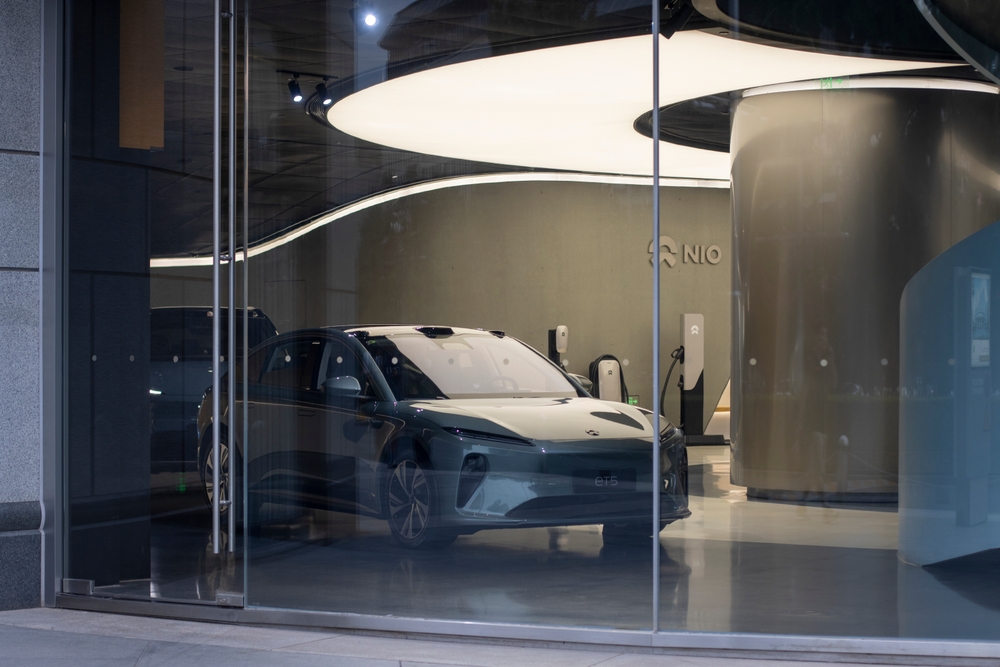
Despite reporting solid third-quarter results, Chinese electric-vehicle maker Nio (NIO) has seen its share price slide sharply in recent weeks, as the company signaled that its path to breakeven will take longer than investors had expected.
After reaching a multi-year high of nearly $8 in early October, NIO stock has declined by about 34%. While the pullback reflects a broader correction across EV makers and the tech sector since mid-October, the latest leg lower was driven largely by the company’s outlook.
Nio delivered 87,071 vehicles in the third quarter, representing a 40.8% increase from the same period a year earlier. However, the company said fourth-quarter deliveries would likely peak around 125,000 vehicles — below analysts’ expectations.
Fourth quarter is typically Nio’s most important period for sales, benefiting from year-end demand, promotions, and government incentives in China. The company also guided for revenue of up to $4.8 billion for the quarter, which fell short of market forecasts.
The softer-than-expected outlook has cast doubt on Nio’s earlier goal of reaching breakeven by the end of the year. Bloomberg Intelligence analyst Joanna Chen said that the target is now in jeopardy, adding that the company’s gross-margin goal for next year “strikes us as aggressive.”
Margin pressure reflects intensifying competition across China’s EV market. As manufacturers battle for market share, price sensitivity limits their ability to raise prices, leaving companies like Nio with fewer levers to pull if sales momentum weakens.
Even so, Nio’s latest operating results suggest room for cautious optimism, with deliveries still growing at a robust pace and demand holding up despite a tougher pricing environment.
Nio reports solid November sales figures
November was a strong month for Nio as the company delivered 36,275 vehicles, representing a 76.3% increase over the same period last year. Year-to-date, Nio has delivered 277,893 vehicles, representing a 45.6% increase from the same period last year.
The acceleration in deliveries suggests the company is finding ways to compete in China’s intensely crowded EV market, where rivals are drawing buyers with aggressively priced models and frequent refreshes.
Mass-market offerings from companies such as BYD — including sub-$15,000 electric sedans — and Tesla’s ongoing price cuts in China have kept pricing pressure elevated across the industry. This has forced premium-oriented brands like Nio to boost incentives and expand their product lines.
Although comprehensive Chinese EV market-share data remains limited, industry estimates show that Nio accounted for about 2.1% of national EV sales in 2023.
Since then, the company’s annual deliveries have climbed by more than 70%, indicating it may be gradually narrowing the gap with larger competitors, even as pricing competition intensifies.