Nashville housing market provides a glimpse into America’s stagflation problem

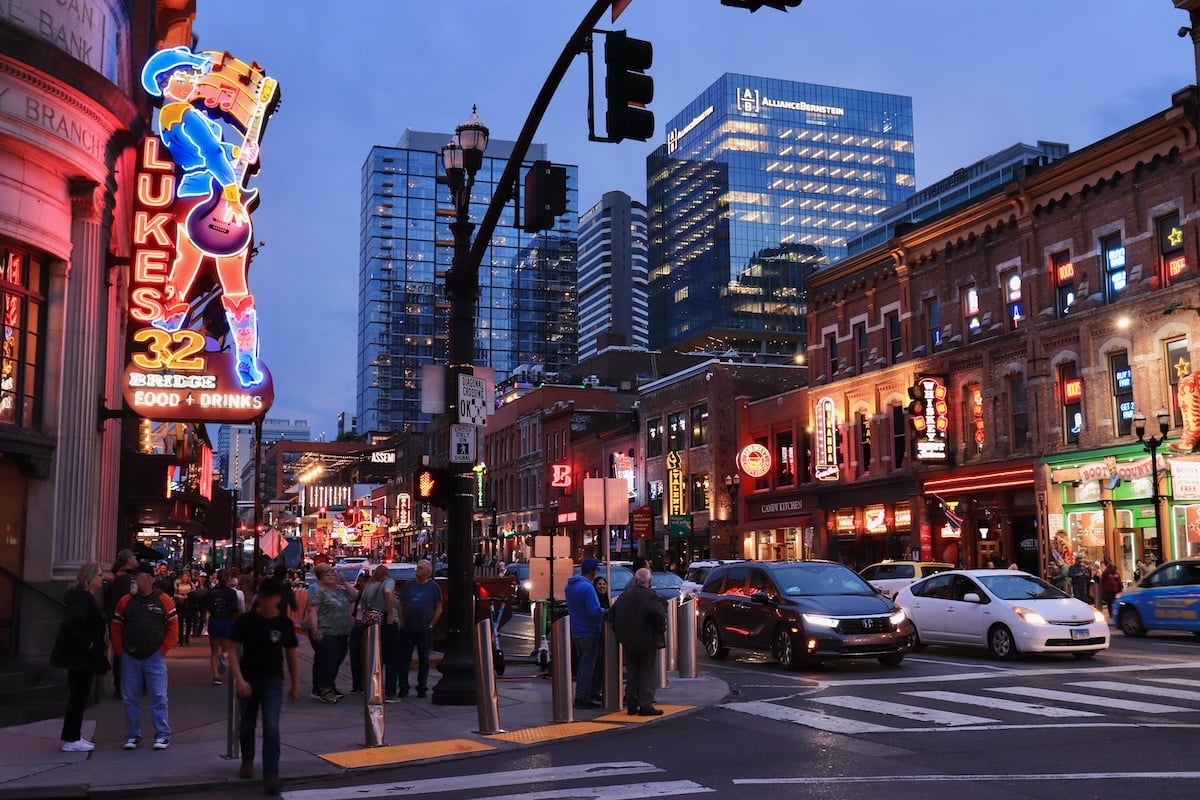
It’s becoming increasingly clear that the U.S. economy is grappling with a form of stagflation, and few markets illustrate this better than Nashville's real estate.
Nashville saw explosive growth during the pandemic, as the city stayed open and benefited from Tennessee’s favorable tax policies.
That influx of people and capital fueled a surge in home values. However, like many other markets across the country, Nashville is now feeling the hangover.
Since peaking in 2020, real estate transaction volumes in the Greater Nashville area have plunged 35%. Yet, in a striking twist, the median home price is up 5% year over year, reaching a record $515,000 in October, according to data from Greater Nashville Realtors.
Fewer deals are taking place, but the homes that do sell are commanding higher prices.
“This is stagflation,” said Ethan Flynn, CPA, referring to the widening gap between housing costs and market activity.
Same story for Nashville real estate.
undefined Ethan Flynn, CPA (@ethanflynncpa) November 5, 2025
35% collapse in volume from peak and median price up 5% yoy.
This is stagflation. https://t.co/21XSE2fcOm pic.twitter.com/JcYaTUHqvu
It’s a rare scenario where monetary tightening by the Fed slows the market but doesn’t fully deflate prices, largely because supply-side constraints remain stronger than the pullback in demand.
Under normal conditions, a collapse in housing transactions would signal economic weakness and typically precede a drop in prices. However, this is no ordinary market.
Inventory remains extremely tight, as homeowners locked into sub-3% mortgage rates are reluctant to put their homes on the market. Meanwhile, construction costs, from materials and labor to insurance and financing, have set a high floor for new home prices.
The outcome is a housing market caught between expansion and correction, frozen in place by the same stagflationary pressures rippling through the broader economy.
Homeownership is becoming a luxury
While economists continue to debate whether the U.S. is truly experiencing stagflation, the combination of persistent inflation, rising housing costs, and uneven economic growth has made homeownership increasingly unaffordable for many Americans.
This affordability squeeze has been widely reported, with National Association of Realtors (NAR) data showing that the median age of U.S. homebuyers has climbed to 40, the highest on record, up from just 33 in 2020.
First-Time Home Buyer Median Age hits 40, a new all-time high 🏡📈 pic.twitter.com/DuAPP6WpgA
undefined Barchart (@Barchart) November 5, 2025
At the same time, only 21% of all U.S. home purchases in 2025 were made by first-time buyers, NAR data showed.
Whether it’s called stagflation or something else, millions more Americans today can’t afford a home than just five years ago.
As a result, it’s now more affordable to rent than to buy in all 50 of the largest U.S. metro areas, according to research from InvestorsObserver. Since 2021, 39 of those 50 metros have flipped from being markets where buying was cheaper to ones where renting is more affordable.