LVMH hopes to power through a luxury sector reality check

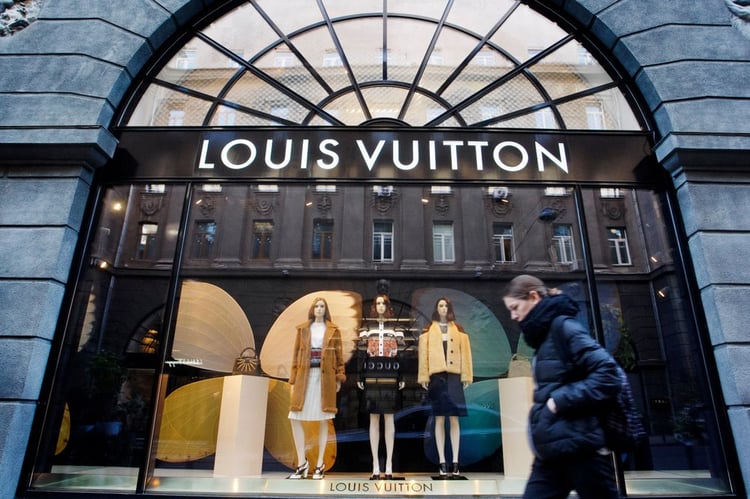
Luxury brands were seen as almost recession-proof when economic sentiment began to sour last year. Wealthy shoppers kept buying high-end goods long after lower-income shoppers pulled back on their discretionary purchases.
But now, even the highest earners are becoming more selective, and it’s having an impact on the world’s largest luxury conglomerate.
LVMH, the parent company behind brands like Louis Vuitton, Dior, and Tiffany, has seen shares fall sharply this year amid global uncertainty. Weaker demand combined with a host of geopolitical risks have caused analysts to ask whether this is a temporary setback or a fundamental reset.
Signals investors are watching
Recent events have rattled LVMH and the broader luxury sector, including escalating conflict in Iran, which has rattled consumer confidence.
Other key factors include:
- Travel disruption caused by the Middle East conflict could reduce tourism, which is an important driver of European luxury shopping
- Chinese consumers have fueled luxury growth in recent years, but economic weakness in that country has led to a dip in demand
- Industry trends show wealthy shoppers are buying certain iconic items (like Dior bags), but broad luxury purchases continue to slow
Despite the headwinds, LVMH still posted strong numbers in its latest earnings report and projects higher annual revenue in 2026 than it recorded in 2025. Still, analysts warn that luxury demand relies heavily on how consumers are feeling … and this economy isn’t inspiring a lot of optimism.
Long-term bulls still buy the luxury story
Despite recent declines, many analysts think LVMH has a solid long-term growth narrative. Average analyst price targets imply roughly 35% upside from recent levels and forward P/E has declined from about 27x to a more attractive 20x. Plus, gross profit margins around 66% put the brand at the head of the pack across the retail sector.
As for geopolitical shock, analysts note that only mid-single-digit percentages of luxury sales come from the Middle East, so the ongoing conflict in the region will likely have a limited impact.
The company’s market advantages also include a portfolio of dozens of brands across multiple luxury categories, including a fashion/leather goods division responsible for the majority of its profits. LVMH’s top brands are also globally recognized, giving the company stronger pricing power than some of its rivals.
Even the cautious case expects between 2%-3% sector growth this year based on expectations of stabilizing demand across the US and China.
Unlike staples and other defensive investments, luxury stocks tend to move in response to mood shifts more than structural ones. That means short-term trends can push shares sharply lower, but brands that are strong enough to weather the storm often come back even stronger over time.
Bottom line? Household name brands like those in LVMH’s portfolio aren’t likely to disappear, but the roller coaster ride might not be over for the company’s stock just yet.