Lockheed’s government-contract rally hits a patch of turbulence

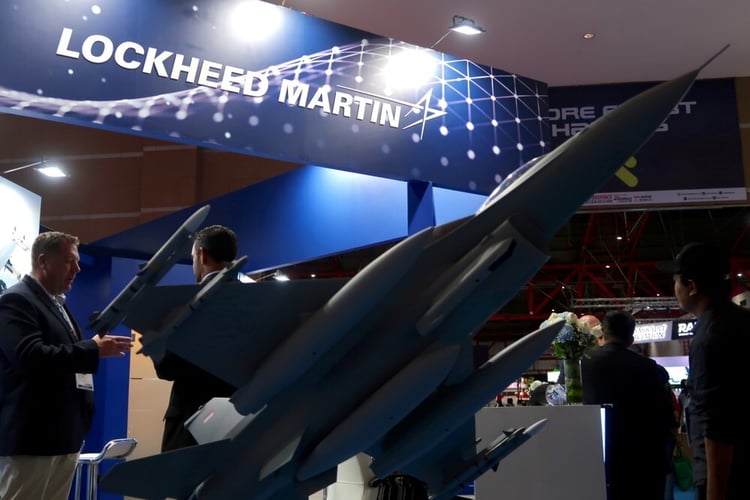
Several names have a habit of popping whenever new defense chatter heats up, and Lockheed Martin fits squarely inside that group.
Anticipation around fresh missile-defense work and foreign military sales helped push the stock higher into early week trading.
But as some of that momentum cooled midweek, investors are wondering if the surge was a headline-induced spike, a durable long-term opportunity, or a combination of both.
What LMT has going for it
Despite the recent wobble, the bull case for LMT stock remains very much alive. Institutions are paying attention to several key positives driving the narrative:
- A record backlog of $194 billion, which is +17% year over year
- THAAD interceptor capacity has risen from 96 to 400 per year
- PAC-3 production has more than tripled to meet global demand
And the F-35 machine is still humming along, with $12.5 billion contracted for 296 jets following 191 deliveries last year.
Capital returns include a 5% dividend bump and $6.9 billion in free cash flow for fiscal year 2025. Current-year guidance points to $77.5 billion to $80 billion revenue.
The market has rewarded the data, pushing shares more than 40% higher since late August.
Here’s the rest of the story
While defense contracts tend to be sticky and predictable, Lockheed’s current setup is a bit more nuanced. Institutional ownership sits around 74% and firms like Vanguard remain major holders.
But the bulls aren’t shouting their case through a megaphone. The consensus rating remains “hold” with average price targets near current levels.
After EPS missed expectations in the most recent quarter, analysts are flagging other emerging risks, including:
- Fixed-price contract pressure
- Pentagon scrutiny around AI supply chains
- Sector-wide profit-taking
- Elevated post-rally valuation
LMT stock still looks strong as prices hold above key moving averages, but analysts are hinting that its strength has already been priced into the equation.
For retail investors, it’s a name that still offers the classic defense-stock appeal. But after a big run and with analysts essentially yawning, the easy upside portion of the story has potentially already been told. For now, the key lies in whether the buzz surrounding new contracts will translate into consistent earnings growth.