JPMorgan launches its first tokenization fund on its blockchain platform

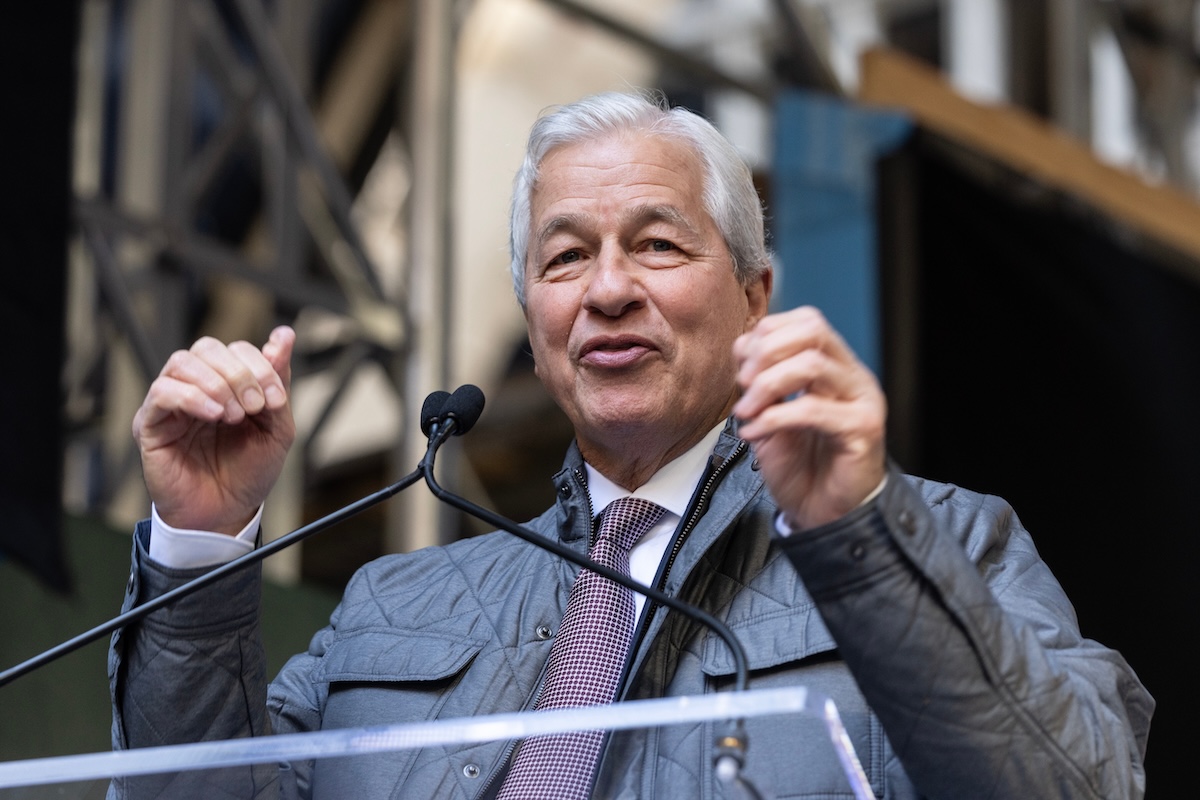
Even though JPMorgan Chase (JPM) CEO Jamie Dimon was one of the most prominent and vocal critics of cryptocurrency, once comparing bitcoin to a “pet rock,” he never dismissed blockchain technology.
"We're probably one of the bigger users of blockchain, an actual user, like a real user,” Dimon said at a technology conference last year. “It's just a database.”
And now the largest bank in the US is utilizing its blockchain platform to bring tokenized investments to its customers.
JPMorgan said that it has completed its first transaction on its in-house blockchain — a tokenized private equity fund — that is available to wealthy clients served by its private bank.
The company plans a broad rollout early next year of its tokenization platform, called Kinexys Fund Flow.
The tokenization platform will be focused on alternative investment strategies by collecting data from fund managers, distributors and administrators and then creating smart contracts that represent fund ownership.
The Kinexys Fund Flow allows near-instant settlement of cash and assets being exchanged on the blockchain. JPMorgan is partnering with global hedge fund firm Citco on the initiative.
In a press release announcing the launch of its tokenization platform, the bank cited numerous challenges the alternative investment industry is facing today, including “siloed data systems, legacy payment rails and manual reconciliations.”
That is making it difficult for asset managers and distributors to scale their business in order to better serve individual investors.
JPMorgan said that tokenization provides a “potential solution” to these challenges by saving thousands of hours and limiting errors.
“The Kinexys Fund Flow solution is an important step in transforming how our clients allocate and manage private fund portfolios,” Anton Pil, head of global alternative investment solutions for J.P. Morgan Asset Management, said in a statement.
“Enabling real-time tri-party settlement between fund managers, transfer agents and distributors will ultimately unlock new sources of liquidity and more flexible portfolio construction.”
Wall Street grows bullish on tokenization
JPMorgan is not the only Wall Street giant rolling out tokenization services. Bank of New York Mellon (BK) and Goldman Sachs (GS) announced a partnership on a tokenization project in July.
In his annual letter to investors earlier this year, BlackRock CEO Larry Fink, who once called bitcoin an “index of money laundering” — described the tokenization of assets as “a revolution in investing.”
“Markets wouldn't need to close. Transactions that currently take days would clear in seconds,” Fink wrote.
“And billions of dollars currently immobilized by settlement delays could be reinvested immediately back into the economy, generating more growth.”
And Citigroup CEO Jane Fraser said on the bank’s recent third-quarter earnings call that she has seen growing demand among the bank’s institutional clients for tokenization.
“For our client base, the institutional client base, we see tokenized deposits as delivering what the client needs, and this is an area that we've invested in most heavily,” Fraser said.
“And what the clients are after is real-time money movement with minimal to no friction and low cost.”
Dennis Cristallo, head of wealth management for Kinexys Digital Asset, said that the firm is “actively working towards a future where alternatives can be accessed with minimal cash drag and operational burden.”
“Kinexys Digital Assets has a thriving ecosystem of some of the world’s largest institutions, with a nearly five year track record of building blockchain applications and settling transactions securely, efficiently and at scale,” he said. “Our ultimate goal is to use this technology to improve the experience and outcome for investors.”