Joby wants to double eVTOL production capacity, but is the market ready?

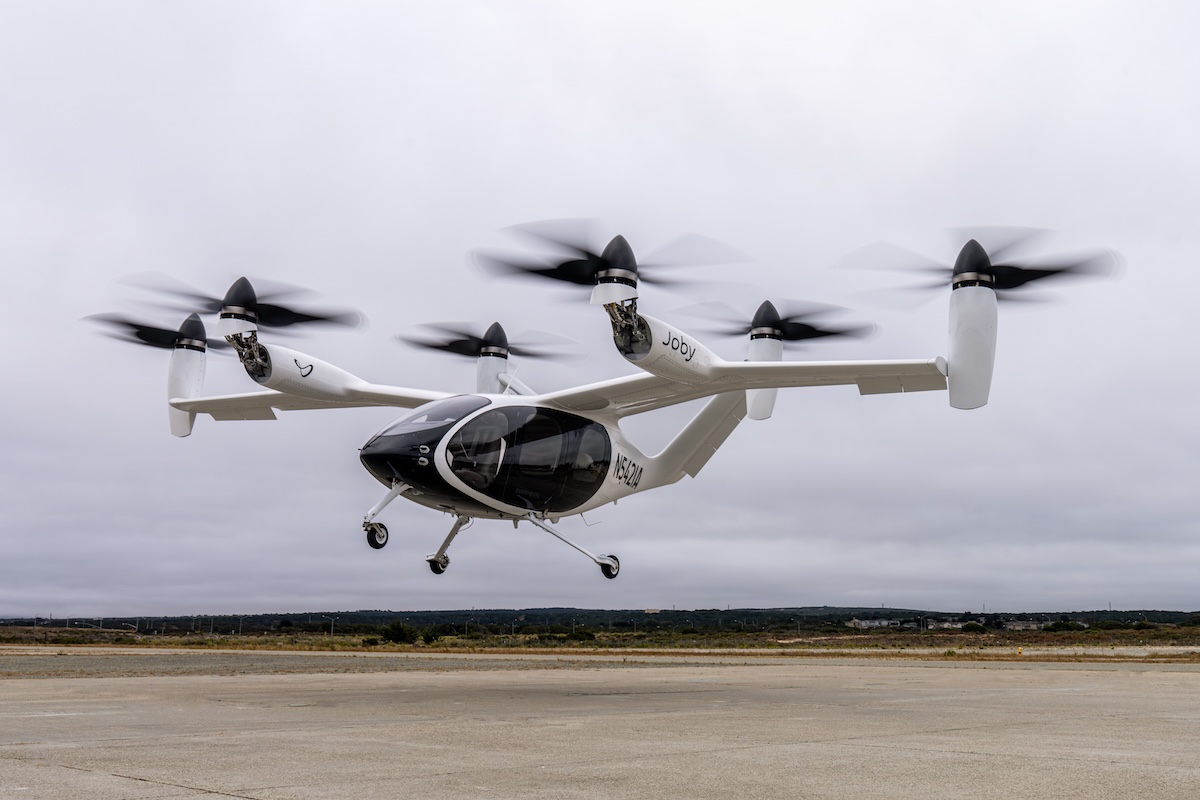
Joby Aviation (JOBY), a developer of electric vertical takeoff and landing (eVTOL) aircraft, says it plans to double its production capacity through an expanded manufacturing partnership with Toyota.
While the announcement was welcomed by many in the nascent air-taxi industry, questions remain about whether near-term demand is sufficient to justify a faster production ramp, as commercial eVTOL adoption has yet to materialize on a large scale.
On Wednesday, Joby announced that it aims to increase output to as many as four aircraft per month, starting in 2027, up from its current pilot-scale production. The company will utilize Toyota’s manufacturing expertise and process support.
The move signals confidence in the company’s certification timeline and its belief that regulators, infrastructure providers, and customers will be ready for commercial service later this decade.
However, the broader eVTOL market is still largely pre-revenue. No company has yet secured full commercial certification from the Federal Aviation Administration, and key elements of the ecosystem, including vertiports, air traffic integration, pilot training, and public acceptance, remain under development.
As a result, many of the aircraft “orders” across the sector are non-binding MOUs rather than firm purchase commitments.
Demand could also be constrained by economics. Early eVTOL services are expected to target premium urban routes, limiting the initial customer base.
At the same time, high aircraft costs and uncertain utilization rates may give potential operators reason to delay fleet purchases until business models are proven.
Analysts have warned that progress in eVTOL technology has been slow, and no passenger eVTOL aircraft has yet been certified for commercial use in the United States.
Joby: By the numbers
While the promise of eVTOL technology continues to appeal to growth-focused investors, Joby delivered a dose of reality in November, reporting a net loss of $401.2 million in the third quarter.
Revenue for the period totaled just $22.6 million, underscoring the company’s pre-commercial stage and heavy spending on development and certification.
Shares fell sharply after the company disclosed delays to its certification timeline in the United Arab Emirates, a market widely viewed as a key early adopter for air-taxi services.
Analysts had already been cautioning that Joby’s stock rally — up as much as 150% at its peak this year — had run ahead of the company’s operating progress. Over the summer, HC Wainwright downgraded the stock, citing signs that investor enthusiasm had pushed valuations too far, too fast.
Even so, Joby shares remain on track to post gains of more than 60% for the year, suggesting that many investors remain drawn to the long-term growth narrative despite near-term setbacks.