Joby stock is flying high, so why are insiders selling?

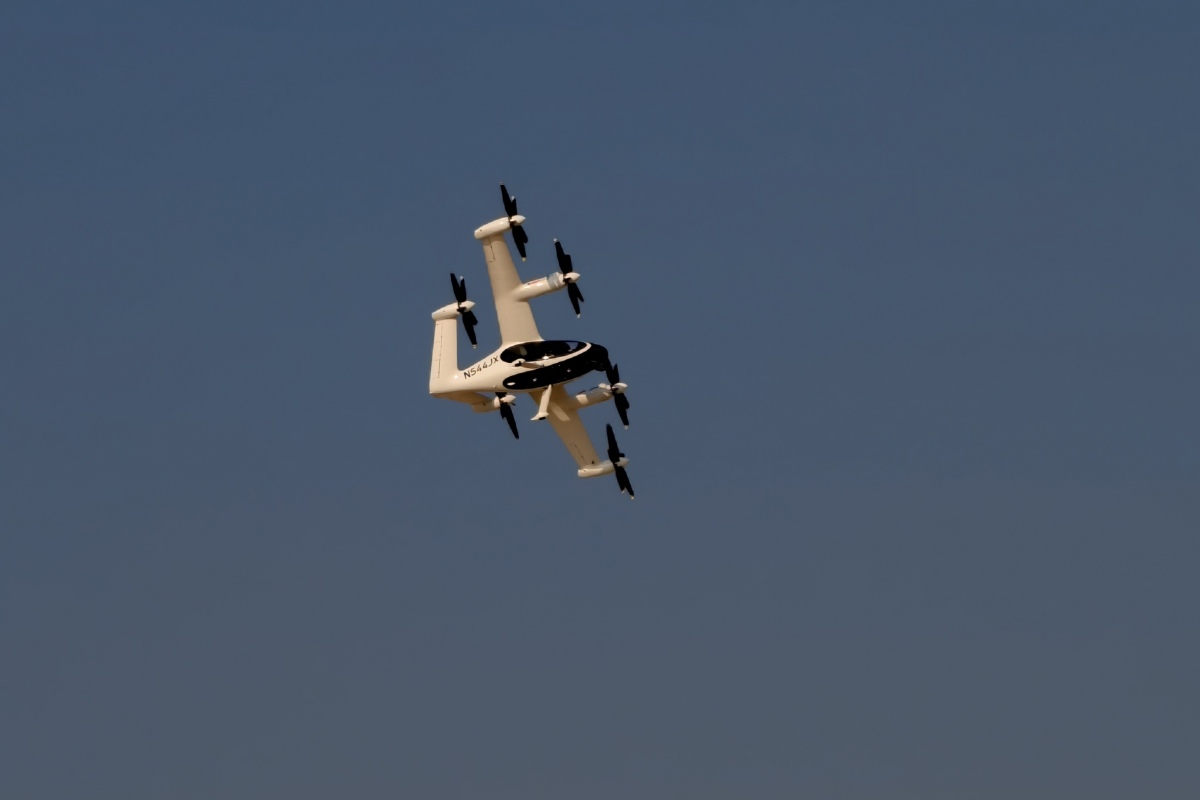
For decades, sci-fi writers promised us personal air travel. The dream of flying taxis is closer than ever to coming true, but Joby Aviation and its investors are learning in real time that the runway is full of potholes.
Shares of the electric air taxi pioneer have slipped about 25% year-to-date, which belies the company’s operational momentum.
The future of flight?
Joby checks many of the right boxes for analysts:
- Shares rebounded to above $10 late Thursday
- Average price target sits at about $13.21
- Partnering with Nvidia on autonomous tech
- Backed by Delta, the US Air Force, and others
The company’s production operation also has access to nearly 200 engineers from Toyota, which has long been considered among the world’s leading manufacturers.
Consumers might be fascinated by the pursuit of flying taxis, but Wall Street is more worried about whether Joby’s cash can outlast production and regulatory hurdles.
If the company hits its manufacturing targets, today’s valuation could look cheap in hindsight.
Investors aren’t dissuaded
To be clear, Joby stock isn’t being driven by profit yet. And there are some legitimate downside risks that even its bulls would acknowledge. Shares are down about 30% year-to-date and long-term gains leave Joby trading around 10.8% book value, or roughly twice the airline average.
The company recently raised $1.2 billion in fresh capital, and it’s expected to burn through cash at a heavy, consistent pace from here.
Another notable development has been the rise of insider selling. CEO JoeBen Bevirt recently sold about $5.8 million in stock, but that story deserves context. It was done under a pre-scheduled 10b5-1 plan, which more often signals routine diversification than sagging confidence.
Other executives also sold shares, reportedly for tax-related purposes.
But institutional sentiment is leaning constructive, with analysts forecasting upside if certification and commercial launches play out as planned.
A combination of high potential and high execution risk is common among early-stage disruptors. In a heavily regulated industry like aviation, production and FAA milestones look like the deciding factors in Joby’s near-term story.