Is Rigetti stock a broken dream or a possible AI goldmine?

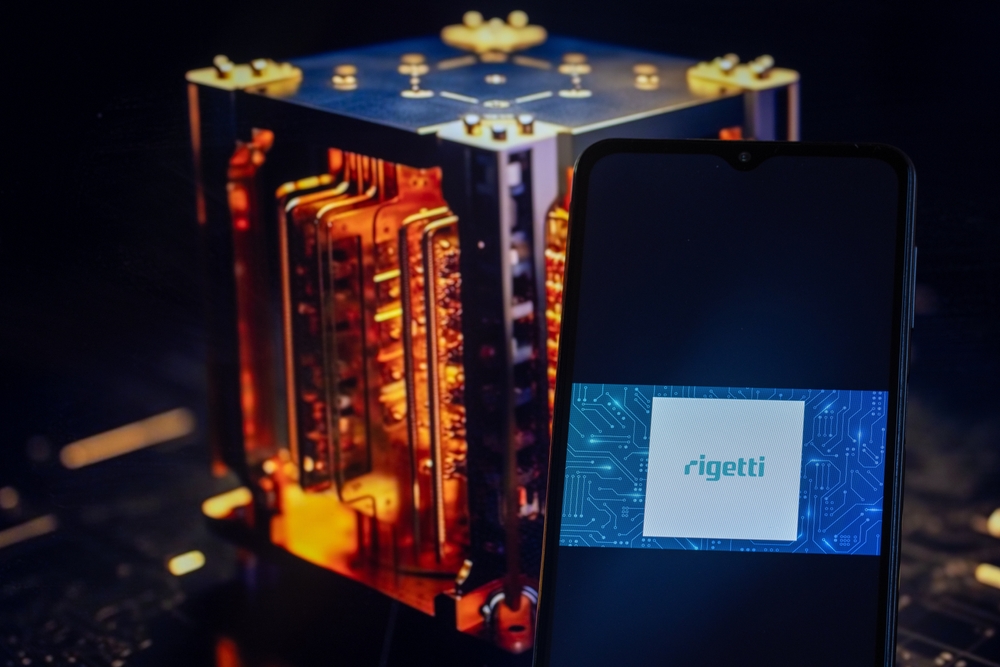
AI isn’t the only tech sector fluctuating sharply between hype and disappointment. Quantum computing, once a promising narrative on Wall Street, has cooled off fast, and companies like Rigetti Computing are feeling the pressure.
Impatient investors have pushed shares of the company’s stock down, but Wall Street hasn’t walked away. Instead, some analysts see serious upside potential after the latest pullback.
What’s actually driving the selloff?
Rigetti’s recent results are emblematic of an early-stage business model. More specifically, several key near-term factors have been weighing on investor sentiment lately, including:
- $1.87 million in revenue fell short of expectations
- Operating losses widened to hit $22.6 million
- Launch of its flagship 108-qubit system was delayed
The company also failed to advance in a federal research and development program. And with sales heavily dependent on irregular contracts with the government and research facilities, revenue numbers are notoriously difficult to accurately forecast.
A number of positive indicators are breaking through the negative noise, though. New system orders from Japan and India signal real, albeit slow, demand. And cloud-based quantum revenue jumped 157% over a single quarter.
With roughly $589 million cash on hand, Rigetti also has some wiggle room upon encountering market headwinds.
At the moment, Wall Street is focused more on the company’s execution than its potential. Investors large and small want to see evidence that its machines are being delivered and utilized in growing, consistent numbers.
Is delayed growth a warning sign?
Despite the volatility, analysts aren’t convinced the latest downturn in Rigetti stock is a signal of long-term performance. Eight in 10 analysts rate it a “buy” and average price targets imply roughly 117% upside from recent trading levels.
As the quantum sector matures, some forecasts see Rigetti capturing 10% or more of the overall market share. That could be enough to fuel massive gains, with the quantum market estimated to exceed $4.2 billion by 2030.
In the meantime, however, there’s plenty of uncertainty to go around. Rigetti currently generates very little revenue (about $7 million annually) and continues to burn more cash. Analysts have also expressed concerns about valuation and dilution risks.
Essentially, Rigetti is impressing Wall Street with its promise of breakthrough innovations, but big money remains keenly aware that the business model is unproven. That’s why investors should treat the company as a speculative bet.
Analysts know the upside could be huge, but only if the company can turn innovation into revenue generation before its funding (and Wall Street’s patience) runs out.