Is Oracle’s half-trillion-dollar backlog an AI miracle or mirage?

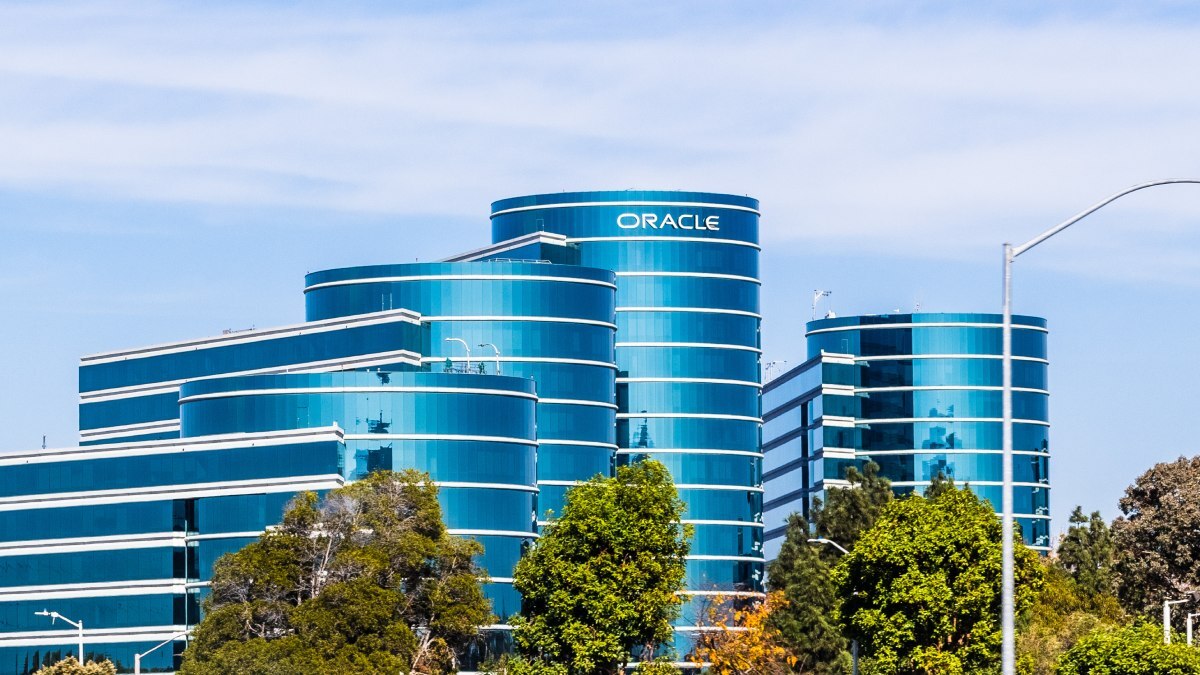
AI stocks have been on a rollercoaster between massive gains and confidence-rattling freefalls. And Oracle Corporation is no exception, with shares plunging nearly 50% in recent months.
But beneath that headline volatility is one glaring attribute that keeps institutional investors interested.
Oracle has a massive backlog of future revenue on the books, and Wall Street is starting to reward the company for that potential.
Separating hype from reality
Oracle’s latest earnings results gave bulls something tangible to consider:
- Revenue of $17.2 billion was up 22% YoY and beat expectations
- EPS of $1.79 was a 21% improvement and also higher than forecasts
- AI-driven cloud infrastructure growth was up 84%
- Backlog increased by a massive 325% YoY to hit $553 billion
That backlog represents contracted revenue that has not yet been recognized, which gives analysts rare insight into future growth potential. But it’s not as simple as reading the numbers.
Among the tailwinds that institutions are factoring in is Oracle’s position as part of the fundamental infrastructure supporting explosive AI demand. Nevertheless, factors like massive capital spending, rising debt, regulatory exposure, and heavy reliance on a small group of clients are reasons for analysts’ cautious outlook.
What the tea leaves are showing
The business behind Oracle looks strong, but its services are expensive to scale and Wall Street is wary of stumbles in execution.
That dichotomy is why big money isn’t backing away even if it’s not ready to go all in. ORCL stock has a consensus rating of “moderate buy” with an average price target of $285, which implies significant upside potential even after Monday’s rally. Valuation of around 19x forward earnings isn’t cheap, but it is below many of its growth-oriented peers.
Institutional investors have been sending mixed messages, with some large funds adding or initiating positions while others are trimming exposure.
If Oracle can efficiently convert its impressive backlog into real revenue, optimistic revenue projections might not be far-fetched.
Meanwhile, the company is trying to establish itself as an integral component of the AI ecosystem, not a hype-driven play. That might make it slower to reward investors, but it could also add a layer of protection in a sector experiencing almost nonstop volatility.