How the Fed’s “transitory” call left U.S. banks nursing $700 billion in hidden losses

U.S. banks are sitting on hundreds of billions of dollars in unrealized losses, not because of reckless lending but because they misjudged the safety of long-term government bonds.
According to FDIC data, banks’ total unrealized losses since 2022 have hovered between $400 billion and $700 billion. The losses are split between long-term securities classified as held-to-maturity and those available-for-sale.
Unrealized losses occur when the market value of securities falls below their purchase price but the assets haven’t been sold, meaning the losses haven’t yet hit banks’ earnings.
The problem: these paper losses weaken balance sheets and reduce liquidity if banks need to sell assets to raise cash.
“US banks’ unrealised losses are not due to aggressive lending,” wrote economist Daniel Lacalle. “Rather, they stem from the belief that long-term government bonds were safe assets and from the Federal Reserve's "inflation is transitory” narrative in 2021.”
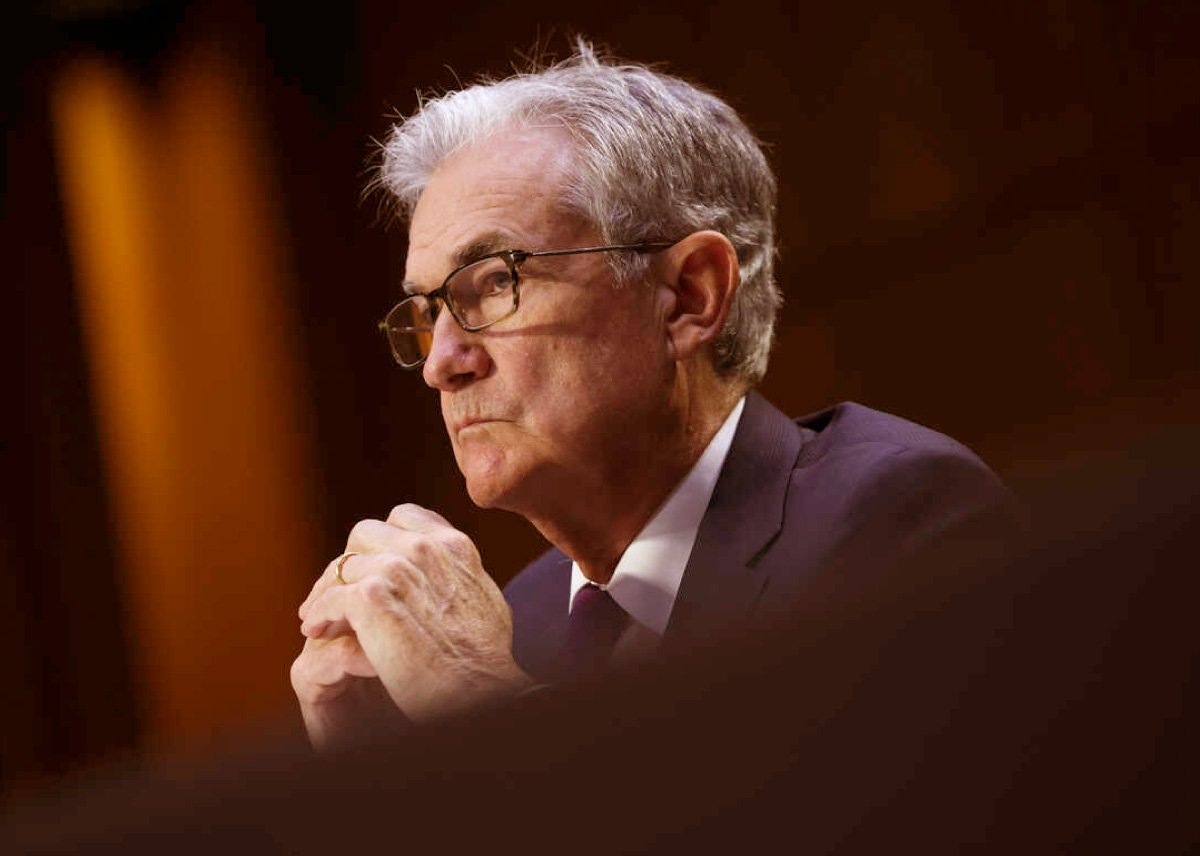
That narrative, promoted by Fed Chair Jerome Powell as pandemic-era inflation took hold, led banks to load up on long-term Treasuries viewed as risk-free.
However, when inflation surged in 2022 and 2023, the Fed responded with its steepest rate hikes since the 1980s, sending bond prices tumbling and leaving banks with record unrealized losses.
More than two years later, financial institutions are still grappling with the fallout.
Misjudging inflation, misjudging risk
The episode highlights a broader policy miscalculation.
Even top financial institutions failed to anticipate how persistent inflation would become, a misjudgment compounded by the Fed’s slow response.
The central bank’s delay in raising rates magnified losses across the financial system.
Researchers at the Federal Reserve Bank of Kansas City have acknowledged the systemic risk. In a 2023 paper, economists W. Blake Marsh and Brendan Laliberte warned that rising unrealized losses could undermine bank stability and credit supply.
“Current accounting practices may not fully account for those risks,” they wrote, suggesting regulators may need to reassess how banks disclose and manage interest-rate exposure.
Separately, researchers at the Office of Financial Research warned that paper losses could “amplify vulnerabilities when banks face stress.”
In a worst-case scenario, such losses could increase the risk of bank runs as depositors lose confidence in the stability of their institutions.
In the meantime, banks and the Fed are now contending with an entirely different macroeconomic environment.
After two consecutive rate cuts aimed at supporting a slowing economy, the central bank is widely expected to continue easing at its December meeting, marking a major shift from the post-pandemic rate hike campaign.