Home goods stocks rally as Trump delays furniture tariff

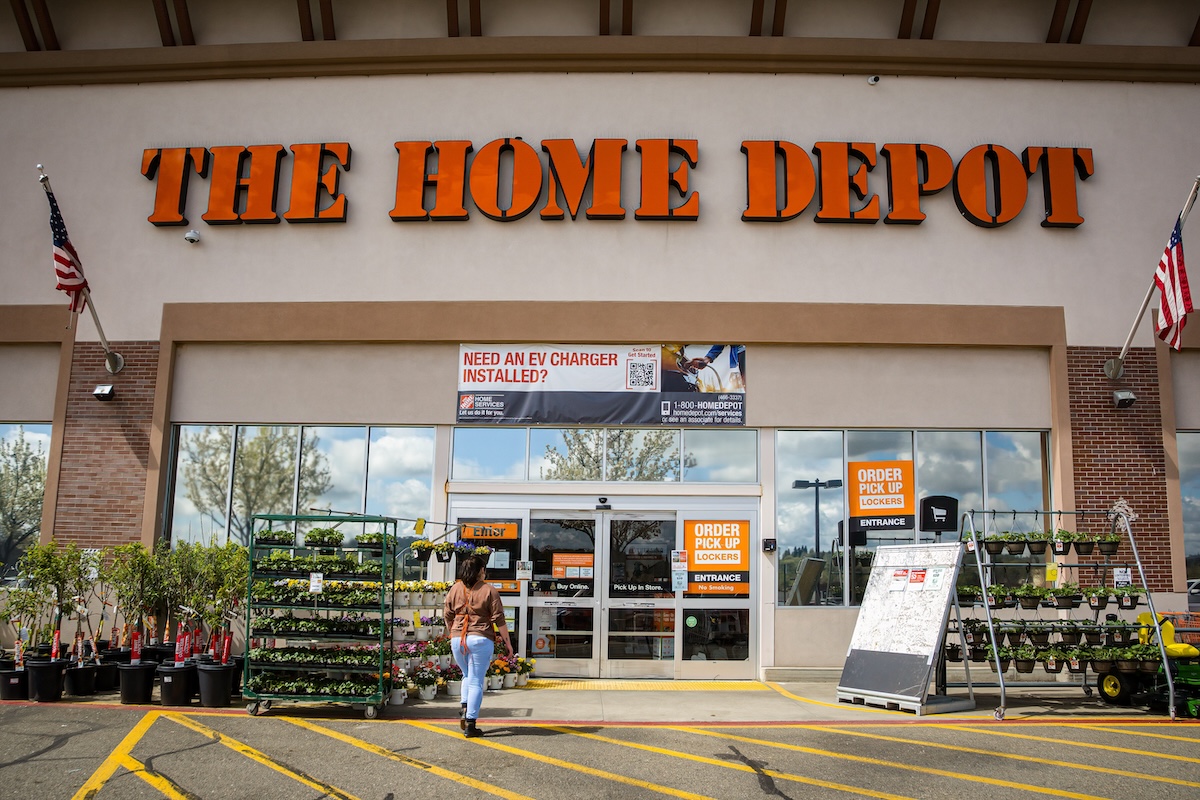
After the White House announced on New Year's Eve that President Trump would be delaying his proposed tariff on furniture imports for a year, shares of home goods stocks rallied to begin 2026.
Trump had planned to raise levies to 30% and 50% on the imports of upholstered furniture, kitchen cabinets and vanities, but instead will just maintain a 25% border tax.
The delay sent shares of home goods stocks rising on Friday. RH (RH), formerly known as Restoration Hardware, surged nearly 8%, Wayfair Inc. (W) gained 6.1% and Williams-Sonoma, Inc. (WSM) rose 5.2%.
"The United States continues to engage in productive negotiations with trade partners to address trade reciprocity and national security concerns with respect to imports of wood products," the White House said in a statement.
As has often been the case with Trump's trade policies, the logic behind his furniture tariffs were never quite clear, which is also because the reasoning seemed to shift.
In a proclamation in September, Trump cited threats to the country's national security as the reason for imposing the higher tariffs, which was hard for some people to buy.
"Mr. Trump had imposed the higher tariff in the name of national security, but apparently the killer love seats aren’t as dangerous as advertised," The Wall Street Journal wrote in an editorial on Thursday critical of Trump's tariff policies.
"Maybe you can now buy one without fear of assault from a foreign spy."
But in a post on Truth Social on the same day that he issued the proclamation in September, Trump cited support for the domestic furniture business in the US as the main driver behind the tariff increase.
"In order to make North Carolina, which has completely lost its furniture business to China, and other Countries, GREAT again, I will be imposing substantial Tariffs on any Country that does not make its furniture in the United States," he said.
Affordability concerns could be driving latest retreat
Of course, Trump has also gained a reputation for retreating on a slew of tariffs he has imposed, helping to earn him the derisive nickname TACO, for Trump Always Chickens Out.
Regardless of any heat he may take on social media for backing down on another tariff policy, the logic behind it makes a certain amount of political sense for Trump.
With US consumer affordability concerns reaching what some are calling a "crisis," the threat of higher prices that could be caused by his tariffs would likely be increasingly unpopular with the American public and especially the business community.
And Trump appears to be recognizing this as a potential political liability. In November, Trump decided to exempt from tariffs a range of foods that are often imported into the United States, including coffee, tea, beef, mangoes, oranges, avocados, coconuts, pineapples, cocoa and spices.
As with his delay on the tariffs for furniture, Trump said his administration had made "substantial progress" in negotiating trade deals, specifically with the four Latin American countries of Argentina, El Salvador, Guatemala and Ecuador.
On Thursday, Trump also slashed the tariff rates on imported Italian pasta. The Commerce Department said in September that a 92% tariff would be added to the current 15% tariff on imported pasta, but that number came down last week to 2%.
Mizuho analysts, led by David Bellinger, maintained a Buy rating on Wayfair and reiterated a $130 price target. In a client note on Friday, Bellinger said that Trump's tariff delay is "giving some breathing room for the sector," which also "benefits Wayfair's model."
"The company's marketplace model has absorbed pricing well to date, flexing product sourcing where appropriate and avoiding direct margin pressure," he said.