Chinese EVs could be about to flood North America

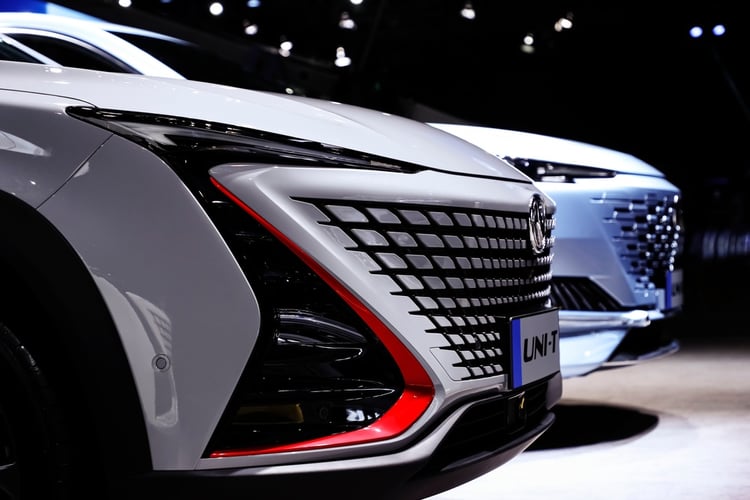
President Donald Trump’s trade war is producing an unexpected side effect: it’s nudging Canada and China closer together.
Ottawa and Beijing have struck a new trade arrangement that lowers tariffs on Chinese electric vehicles entering Canada in exchange for reduced Chinese duties on Canadian farm exports. It’s a notable pivot for Canada, which until recently stood firmly alongside the U.S. in pushing back against China’s expanding trade influence.
The deal doesn’t open the U.S. market — at least not directly — but it changes the map for how Chinese EVs could reach North America.
The deal, by the numbers
Under the agreement:
- Canada will slash its 100% tariff on Chinese EVs, allowing up to 49,000 vehicles into the country at a 6.1% duty.
- China will cut tariffs on Canadian canola oil from 84% to 15% by March 1.
For Canada, the deal offers relief to farmers hit by China’s earlier tariffs. For China, it creates a foothold in a wealthy, EV-friendly market just north of the U.S. border.
Washington shrugs it off
The Trump administration has downplayed the significance, dismissing concerns that Canada could become a back door into the U.S. auto market.
U.S. Trade Representative Jamieson Greer argued Canada’s economic dependence on the U.S. makes spillover unlikely. “If those cars are coming into Canada,” he said, “they’re not coming here. That’s for sure.”
For now, U.S. tariffs on Chinese EVs remain firmly in place.
BYD into the mix?
The agreement doesn’t name automakers, but it inevitably highlights BYD, now the world’s largest pure-play EV manufacturer.
In 2025, BYD sold 2.2 million battery-electric vehicles, topping Tesla’s 1.7 million, often at prices $10,000 or more below comparable U.S. models. Even limited access to Canada gives Chinese automakers a testing ground for North American consumers and regulations.
Bottom Line: This deal won’t flood U.S. highways with Chinese EVs overnight. But it signals a shift in trade alliances, and a reminder that China’s EV push doesn’t hinge solely on access to the U.S.