CAVA’s Santa rally masks a brutal reality check

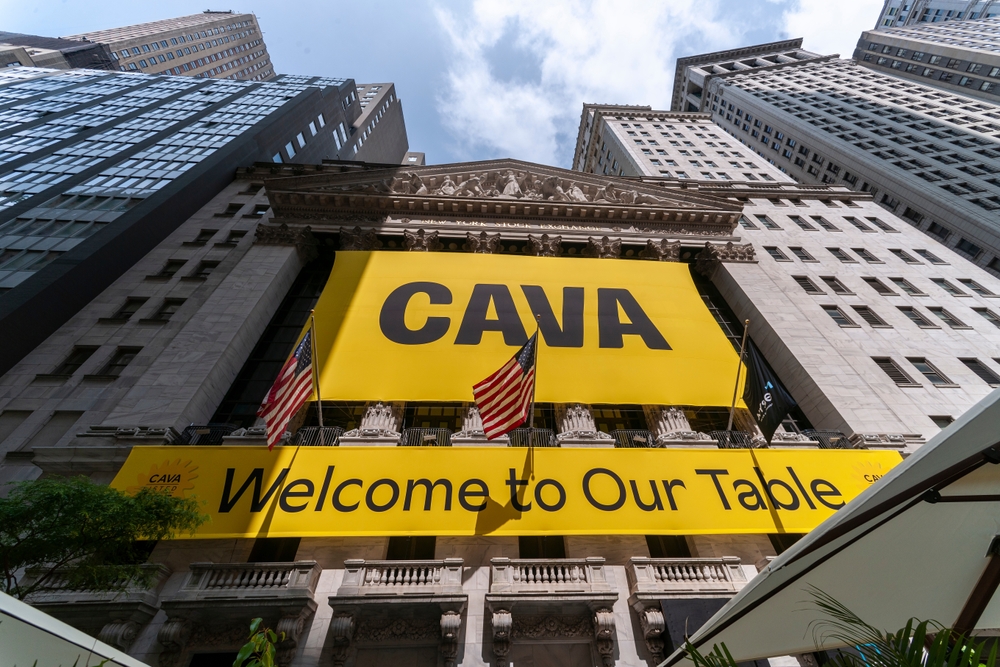
Shares of Mediterranean fast-casual chain CAVA Group (CAVA) have staged a notable Santa rally this December, buoyed by a wave of upbeat Wall Street commentary.
CAVA shares jumped more than 12% in the five trading days leading up to the Christmas break and are up over 30% in the past month, easily outperforming the broader market.
Still, perspective matters. Even after the recent rebound, the stock remains down roughly 50% year to date, underscoring just how sharp the earlier sell-off had been.
The rally gained momentum after Truist Securities initiated coverage of CAVA in early December with a Buy rating and a $66 price target, implying continued upside from recent trading levels near $61.
Meanwhile, analysts at Stifel struck a more bullish tone, arguing the shares could recover toward $75 as growth reaccelerates, citing CAVA’s long-term expansion potential heading into 2026.
Analysts at both firms say the Mediterranean fast-casual category remains poised for continued growth, even as CAVA has faced recent setbacks, including slowing same-store sales growth, margin pressure from higher labor and food costs, and investor concerns about valuation following its post-IPO surge.
Signs of a turnaround emerge, but pressure persists
CAVA Group showed tentative signs of stabilization in the third quarter, with earnings and revenue largely in line with Wall Street expectations. However, same-store sales — a key measure of restaurant health — rose just 1.9%, falling short of the 2.8% consensus forecast.
The company also lowered its full-year outlook once again, trimming expectations for same-store sales growth as demand softened among younger diners, a core customer segment for fast-casual chains.
Management now expects same-store sales growth of 3% to 4% next year, down from a prior forecast of 4% to 6%, and has also lowered its outlook for restaurant-level profit margins.
CAVA isn’t alone in facing pressure on foot traffic. Chipotle Mexican Grill, while not a direct competitor given its Mexican focus, offers a useful comparison within the fast-casual space.
Chipotle has grappled with its own challenges, including pushback over menu pricing, compounded by brand-related issues that have weighed on traffic.
Notably, management teams at both companies have pointed to declining engagement among consumers aged 25 to 34, a demographic that has historically driven growth in the fast-casual category.
That slowdown has coincided with rising unemployment and financial strain within the same age group, a dynamic that analysts say is likely contributing to more cautious discretionary spending.