Carvana’s comeback story is facing a stress test

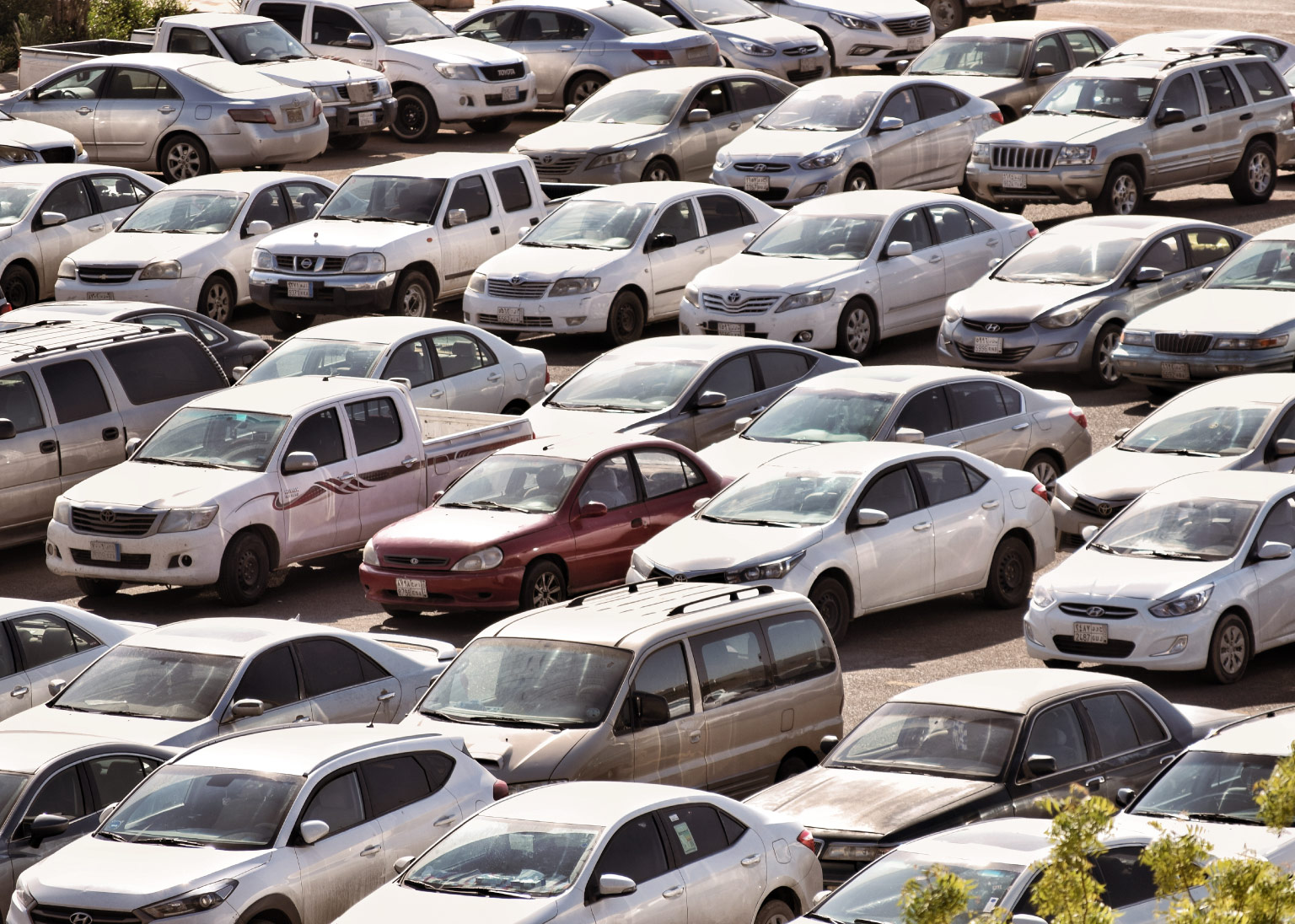
The auto sales sector has been under real pressure has higher interest rates, cautious consumers, and tighter credit conditions weigh on demand.
Used cars have been hit by the same factors, but Carvana is still drawing long-term attention from investors. Even though some wrote it off as a pandemic-era symbol of excess consumerism, many analysts now see a company fighting its way back from the brink despite day-to-day volatility.
Steady through the storm?
Carvana’s shares have been anything but calm lately. The stock slid sharply during recent sessions and is down nearly 13% over the past month.
But that sharp slide looks different as part of the bigger picture. CNVA remains dramatically higher than where it traded a year ago, signaling that a turnaround, albeit fragile, is underway.
Here’s what institutional data is showing:
- Analysts expect Q4 EPS of $1.09, a nearly 95% jump year-over-year, with revenue projected to increase more than 46% to $5.19 billion
- Consensus forecasts call for $5.48 in EPS for 2026 and nearly $20 billion in revenue, representing triple-digit earnings growth vs. 2025
- Carvana stock trades at a forward P/E above 56, which is much richer than the industry average and leaves little room for error
- The company carries a Zacks Rank #3 “hold” rating and estimate revisions, though slightly lower, suggest enthusiasm hasn’t collapsed
A tug of war over risk
The bulls’ case rests on improved unit economics, tighter cost controls, and a shift toward profitability. But bears counter that argument with concerns about leverage, cyclical used-car demand, and a valuation that factors in a smoother execution than the current economic conditions might permit.
The stock’s whipsaw trading reflects that split in sentiment. Options activity and momentum trading have amplified the volatility even further.
Although Carvana stock might no longer be a life-or-death survival story, it’s anything but a sure bet. Institutional data say profitability is real, but when valuations leave this little room for disappointment, position sizing should be based on facts, not adrenaline.
The precarious health of the used car market amplifies concerns over the company’s leveraged capital structure. But even after a nearly 5% single-session dip on Tuesday and a one-month slide of more than 15%, Carvana stock is still worth about 13.5% more than it was six months ago.
Like any game of tug-of-war, there’s bound to be some give and take. But Carvana still thinks it has the endurance to come out the winner in the end.