Can a post-Buffett Berkshire live up to the legend?

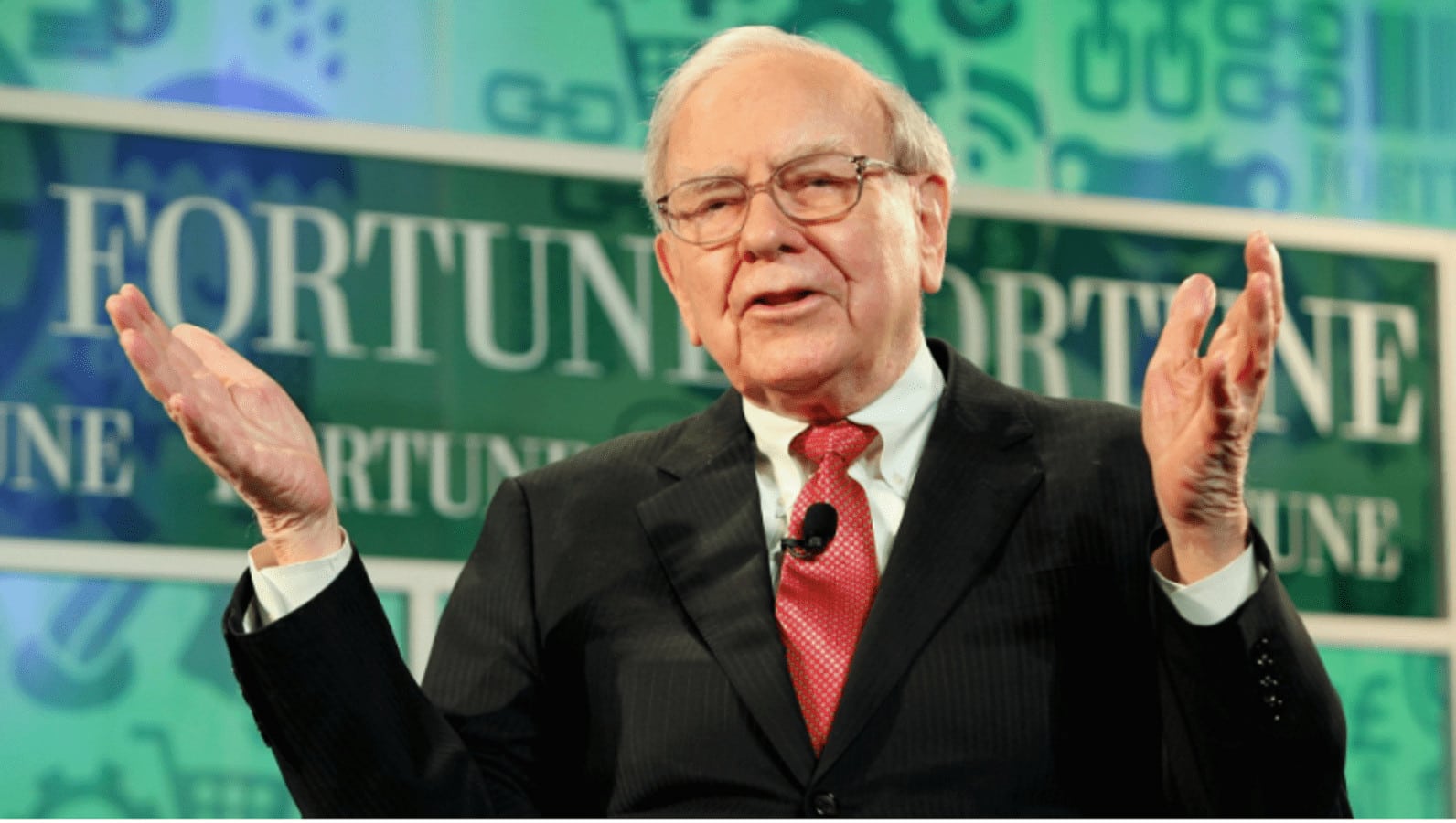
Few investors in history have cast a shadow over Wall Street like Warren Buffett. After more than six decades at the helm of Berkshire Hathaway, his legendary run ended at the close of 2025, leaving longtime exec Greg Abel in charge of the massive fund.
The transition has sparked an obvious debate between those who think Berkshire’s success was tied to the Oracle from Omaha and those who believe its strategy is strong enough to carry on without him.
After a few months in his new role as CEO, Abel’s impact is starting to send some cautiously optimistic signals to analysts.
Early moves show confidence
Abel has emphasized continuity, but that hasn’t stopped him from making some attention-grabbing moves. Some of the key developments since Buffett’s retirement include:
- Share buybacks resumed for the first time since 2024, signaling management’s bet that the stock is undervalued
- Abel personally purchased roughly $15 million in BRK.B stock and pledged to use his after-tax salary to buy shares each year he’s in charge
- The firm currently holds roughly $373B in cash, giving the new chief executive flexibility for acquisitions, investments, and/or more buybacks
Berkshire also looks strong from an operational perspective. The firm’s insurance operations, energy business, BNSF, and an assortment of subsidiaries are reliably generating billions in annual profit.
Recent earnings, on the other hand, were mixed. Weaker insurance results limited growth, but the company’s underlying foundation of businesses remains diversified and resilient.
What Wall Street thinks is next
For now, analysts are taking a balanced view of the post-Buffett era. With a long-term record that has delivered an eye-popping 6-million-plus-percent in total returns since Buffett took control in 1965, there’s not much bearish long-term sentiment surrounding the name.
But there is a distinction between the bullish outlook and the more cautious case.
Bulls point out that BRK.B shares trade around 15-16x earnings, which is below many peers. Some valuation models suggest the stock could be undervalued by 20% or more. And a massive cash reserve provides an enviable safety net beneath it all.
Nevertheless, the consensus rating among analysts leans toward “hold” and recent earnings declines are fueling questions about short-term growth. Berkshire’s own record could be a liability, since the firm’s enormous size makes it increasingly harder to keep up the same growth rate.
In the end, though, that long-term record speaks for itself, nearly doubling the long-run performance of the broader market over the past six decades.
So retail investors should remember that leadership transitions always create uncertainty. But Buffett leaves behind a portfolio packed with a vast collection of durable, cash-generating businesses.
If Abel keeps that culture intact, the company’s next era could look more familiar than many market-watchers expect.