AMC stock continues its slide, but is it cheap enough to buy?

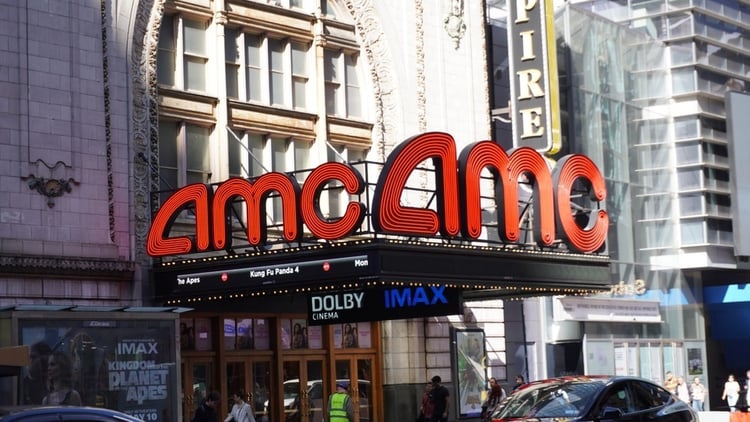
Streaming content keeps siphoning away moviegoers, but that’s only part of the puzzle facing AMC Entertainment. Investors digging into the stock’s massive dip are finding a more complicated story of heavy debt, persistent dilution, and a business model searching for stability in a post-COVID world.
The debt dilemma
It’s no secret that AMC shares have been hammered since their meme-era peak. Over the past five years, the stock has lost roughly 95% of its value, a staggering reset for a company that once flew high on the wings of retail enthusiasm.
Recent developments showcase a mix of risk and potential progress:
- Shares fell about 8% after AMC announced plans to sell up to $150M in stock
- The offering aims to boost liquidity and refinance debt for possible long-term upside
- AMC shares sit about 65% below their 52-week peak
Strategically management is trying to buy time for the turnaround story to play out to its conclusion. The company has amended key debt agreements and is working to refinance higher-cost obligations, which could improve flexibility overall if the plan is executed well.
But institutional sentiment is cautious. Analysts broadly give the stock a neutral/hold rating, citing weak profitability and negative free cash flow despite incremental balance-sheet progress.
Basically, investors agree that fixing the debt would help … but that process won’t be quick or simple.
Markets weigh risk and reward
For AMC to stabilize, Wall Street is watching three pressure points: sustainable annual profitability, tighter control on share dilution, and clear evidence of rebounding cinema traffic.
The company’s competitive gap against rivals like Cinemark and IMAX are notable, with the latter two companies returning to consistent profitability.
Meanwhile, the stock still trades heavily in meme-adjacent circles. Some market observers warn that a significant portion of trading volume occurs off-exchange in opaque venues. That dynamic could amplify volatility and further disconnect stock prices from fundamentals.
AMC isn’t a dead investment, but it’s engaging in a particularly high-risk turnaround. Until the company proves it can generate consistent profits and stop relying on dilution, its stock remains primarily speculative. Portfolios are treating it as such and sizing positions with discipline.