After a 25% dive, Wall Street hasn’t decided if Ulta stock is a bargain

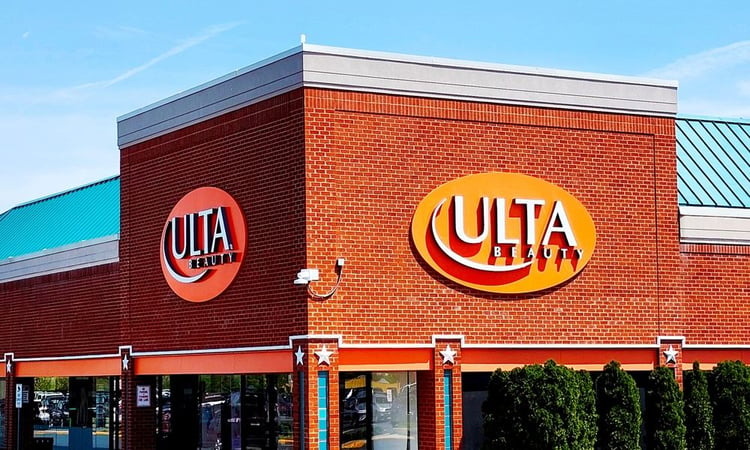
Ulta Beauty has had a rough stretch since its latest earnings report, with shares sliding sharply and closing Monday about one-quarter lower than a month ago. A mix of softer guidance and broader economic concerns has weighed on sentiment, but not all the analysts are bearish.
Some on Wall Street see a potential rebound story forming beneath the surface, but it could be premature to label this a buy-the-dip setup.
Why ULTA stock took a hit
The latest selloff was driven primarily by profit pressure and expectations about future performance. Here’s a breakdown of the key factors:
- Q4 EPS came in just below expectations at $8.01
- Revenue was up about 11.8% to $3.9B but operating margins shrank
- Investments in automation and marketing fueled a 23% surge in SG&A costs
- 2026 comparable sales growth forecasts are about half 2025 levels
Bottom line? Ulta is still growing, but each new leg higher is getting even more expensive.
Investors are aware of the trend, which has accelerated the stock’s steep decline from recent highs. Nevertheless, technical indicators like the RSI have dropped into “oversold” territory, which could signal the stock is due for a short-term bounce.
A complicated path forward
Despite the nagging concerns, institutional investors aren’t heading for the hills when it comes to ULTA stock.
Wall Street consensus puts shares in the “moderate buy” camp with price targets around $670, which implies roughly 30% upside potential from recent levels. Several firms have been increasing their positions, including a 200%+ increase by SG Americas in Q4. And with around 90% of all shares held by large funds, big money is clearly still following the narrative.
Brand loyalty is one reason for analyst optimism, with Ulta’s roughly 45 million loyalty members driving about 95% of all the company’s sales. Plus, its mix of brands and prices adds a layer of cushioning against belt-tightening shoppers.
Looking further out, investments in e-commerce and TikTok integration aim to help expand margins over time.
But several risk factors remain, including cost pressures and slower growth due to an increasingly competitive beauty market.
Ulta’s recent decline doesn’t appear to be sparked by a collapse in demand, but it could be the market’s attempt to reset expectations. Falling stock prices could represent a bargain for patient investors, but only if Ulta’s fundamentals and earnings power justify significant gains from here.