PepsiCo’s price cut could offer an inflation clue

Even with this week’s official labor data delayed by the brief government shutdown, markets will still receive some valuable economic info. Investors have fresh signals coming from today’s ISM Services PMI and Friday’s consumer sentiment report, both of which provide key reads on whether growth is holding up as interest rates remain elevated.
But with Fed policy in focus and households stretched thin, inflation remains the biggest wildcard. And one familiar name in the grocery aisle may be offering an early hint that price pressures are easing at the margins.
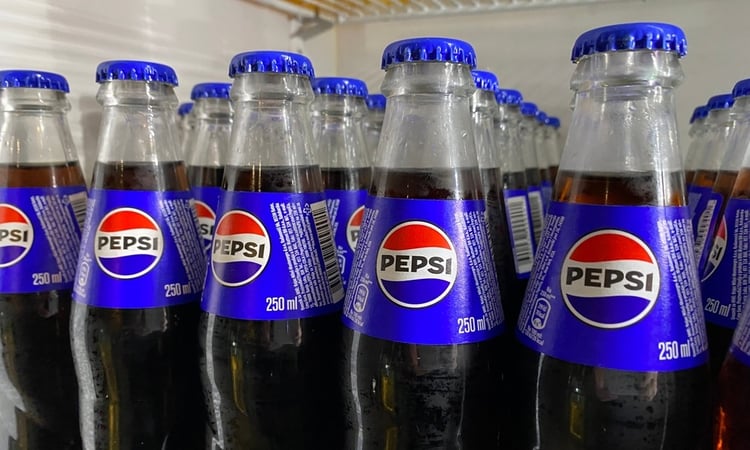
Pepsi’s affordability pivot
The corporation behind many of America’s favorite packaged foods and beverages took its stock to new all-time highs, rising more than 3% on Tuesday on an otherwise day for Wall Street. But the more important signal wasn’t the numbers themselves, but the strategy behind them.
PepsiCo plans to cut prices on a range of snack products this year, including Lay’s, Doritos, Tostitos, and Cheetos, aiming to win back inflation-conscious consumers and boost how often shoppers choose its brands.
Management says productivity gains and cost cuts (driven in part by pressure from activist investor Elliott Management) will help offset the lower prices.
Other key takeaways from the quarterly report:
- Revenue came in at $29.34 billion, well above expectations
- EPS of $2.26 beat forecasts by $0.02
- Food volumes fell 2% globally amid rising price sensitivity
- Pepsi is expecting double-digit shelf-space increase
Pepsi clearly sees affordability as the problem, not demand … and it’s adjusting its approach accordingly.
Looking for broader inflation clues
Corporations aren’t the only ones noticing the mounting consumer resistance to price hikes. But it’s a topic that is stoking divisions among central bankers.
Fed officials like Stephen Miran argue inflation pressures are becoming “benign,” helped by productivity gains that let companies absorb costs without raising prices.
Others, like Richmond Fed President Tom Barkin, warn inflation is still much higher than the target and psychologically sticky, which is why rate cuts are holding steady for now.
Big institutions largely expect easing later this year. UBS sees two rate cuts by late summer while BlackRock notes inflation may stay sticky enough that assets with pricing power and protection become the clear favorites.
When a heavyweight like Pepsi starts slashing prices to win shoppers back, it’s a sign that inflation dynamics are shifting. In addition to keeping an eye on what policymakers say, investors should be paying attention to what companies do.