Nearly a third of Americans are falling into the BNPL trap

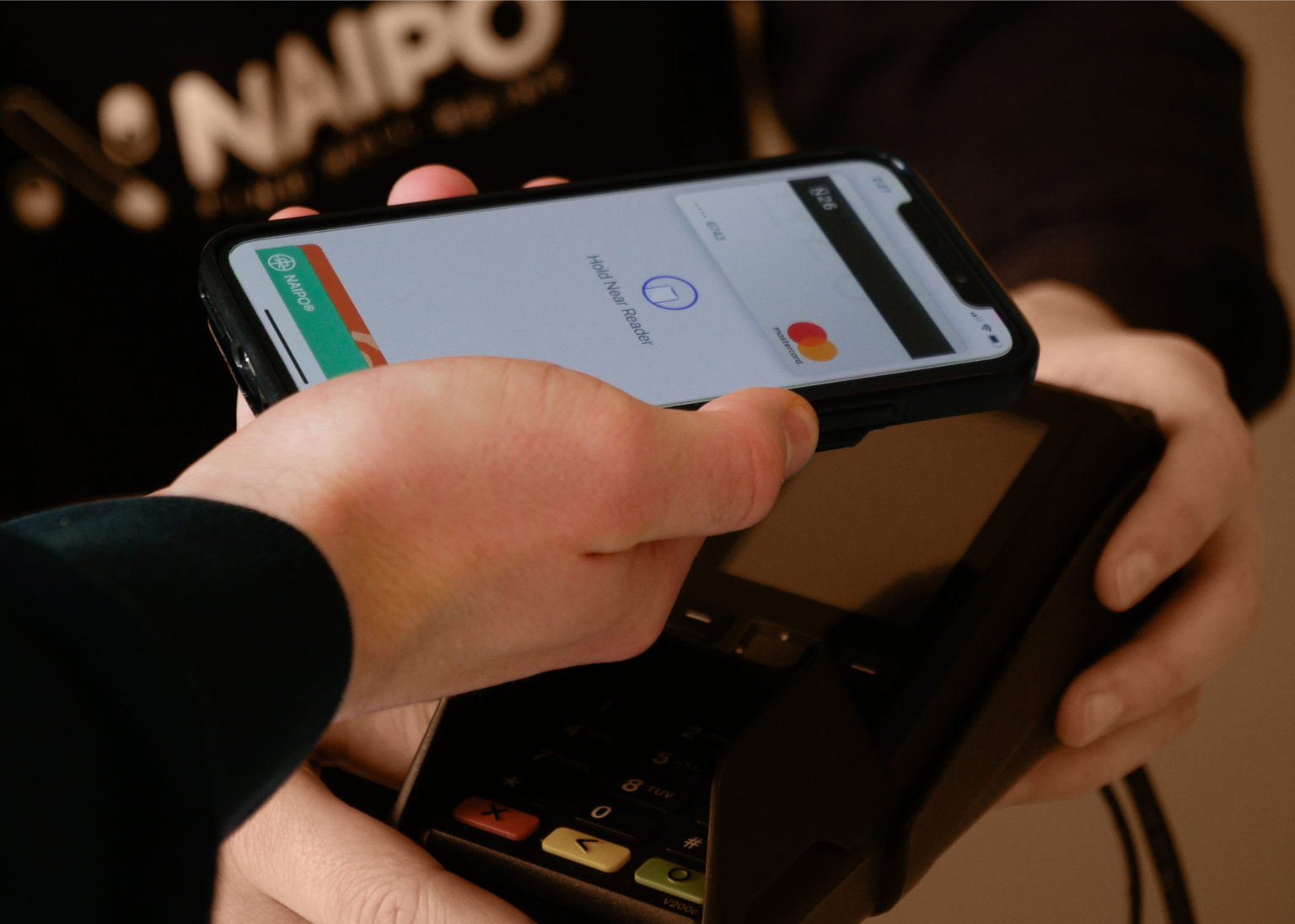
Holiday shoppers are increasingly relying on “buy now, pay later” (BNPL) loans to finance their purchases, extending a trend that shows more consumers spreading even small expenses over time — and raising concerns about growing financial strain.
Data from Adobe Analytics shows BNPL-driven online sales are expected to reach a record $20 billion between Nov. 1 and Dec. 31, about $2 billion more than last year. Holiday BNPL spend has already reached $9 billion as of Nov. 30.
Meanwhile, three in 10 U.S. shoppers now report using BNPL services, according to The Kobeissi Letter.
Worryingly, these totals don’t include other forms of consumer debt used to fund purchases, such as credit cards or personal loans.
Modern BNPL services took off in the mid-2010s as companies such as Klarna, Affirm, and Afterpay made installment payments widely available at online checkout. What began primarily as a means to finance larger purchases has since expanded to include everyday items, as digital payments have gained popularity.
Now, some economists warn that the expansion of these payment plans, combined with record levels of credit card debt, may be masking deeper weaknesses in household finances and the broader economy.
BNPL: The cost of convenience
One of the growing concerns surrounding BNPL services is their rapid expansion at a time when Americans are already carrying record levels of credit card debt.
The Federal Reserve Bank of New York reports that U.S. credit card balances reached a historic $1.23 trillion in the third quarter, a $24 billion increase from the previous quarter alone.
Research from the Kansas City Fed suggests BNPL usage is disproportionately concentrated among lower-income households, which are often the most financially vulnerable. The same research indicates that late payments on BNPL loans are increasing, with approximately 15% of users who miss payments classified as financially strained.
“Our results suggest a high correlation between BNPL users’ late payments and their financial vulnerability or distress, potentially implying that BNPL users with late payments may have overspent or overextended their debt through BNPL,” the researchers wrote.
Nigel Morris, a co-founder of Capital One, has also warned about the growing use of BNPL to finance everyday necessities such as groceries. He has described that trend as a potential signal of a weakening economy, even as headline indicators like retail sales remain relatively strong.
Data from financial services company Empower further underscores the scale of BNPL adoption. Roughly 91.5 million Americans now use these services, and about one-quarter report using them specifically to finance grocery purchases.