Morgan Stanley turns the light out on the AI boom

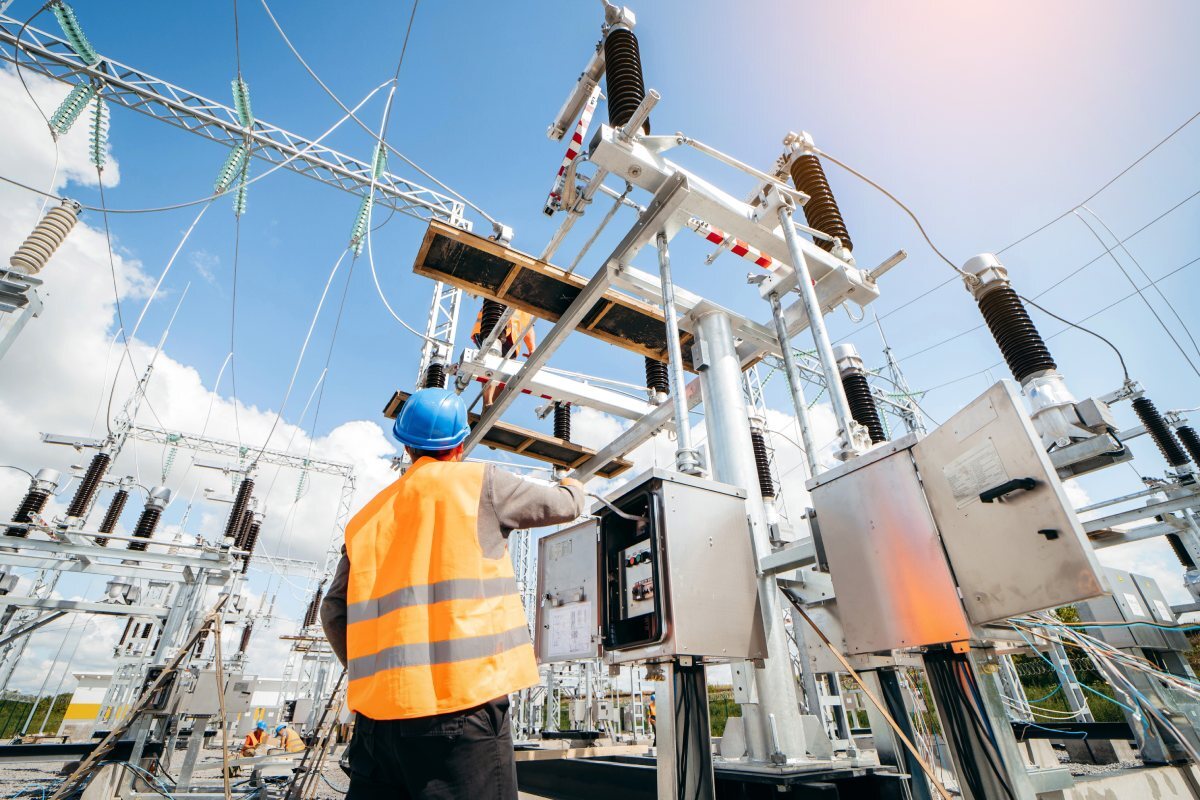
Morgan Stanley is the latest financial institution to warn of a looming U.S. power shortage as AI data centers continue to drive up electricity demand, fueling an artificial-intelligence boom that may or may not justify current market valuations.
Analysts at the bank, led by Stephen Byrd, stated that the U.S. could face a significant power shortfall by 2028 unless energy production expands substantially.
They described AI as “the most important technology shift in modern history” and warned that rapid growth in compute could strain the grid. The analysts pointed to several potential fixes, including natural-gas turbines, small modular nuclear reactors, and fuel cells.
Morgan Stanley is not alone in sounding the alarm. Citing BloombergNEF data, The Kobeissi Letter recently noted that AI data centers are on pace to consume roughly 4.4% of global electricity by 2035.
With AI-related compute expected to quadruple over the next decade, the biggest constraint may not be advanced chips but the availability of power.
Beyond investor concerns about valuing the AI economy, the strain on the grid is already raising questions about the impact on ordinary households, which are facing higher electricity costs tied in part to skyrocketing demand from data centers.
AI-driven power demand is adding pressure to grids
It’s not surprising that regions with rapid AI data-center expansion have seen household power bills rise, driven in part by infrastructure upgrades, higher peak loads, and new transmission requirements. While these factors don’t fully explain the surge in electricity costs, they are increasingly part of the picture.
Some analysts have called the situation the “biggest financial problem our society faces,” yet it remains widely underreported.
A recent InvestorsObserver Research report found that average U.S. electricity prices have been climbing for decades, with nationwide increases accelerating since 2020.
States hosting the largest concentration of data centers saw faster infrastructure build-outs and steeper price gains. The study concluded that while data-center growth doesn’t always lead directly to higher rates, there is a clear correlation in many states.
Barclays noted that the AI boom is raising new ethical questions for Big Tech, investors, and policymakers about how to “deliver AI responsibly and sustainably.”
Sustainability concerns extend well beyond electricity demand, encompassing land use, water consumption, and the raw materials required for building and cooling data centers.
“[S]caling AI is a bit like walking a tightrope,” Barclays wrote, requiring a balance between “the desire to reap the economic opportunities and geostrategic benefits […] while respecting existing frameworks on issues from net zero to intellectual property.”
Goldman Sachs issued similar concerns, warning that the energy needs of AI are outpacing the capabilities of the energy grid.