Huang stays, Ellison leaves: California’s billionaires turn on each other

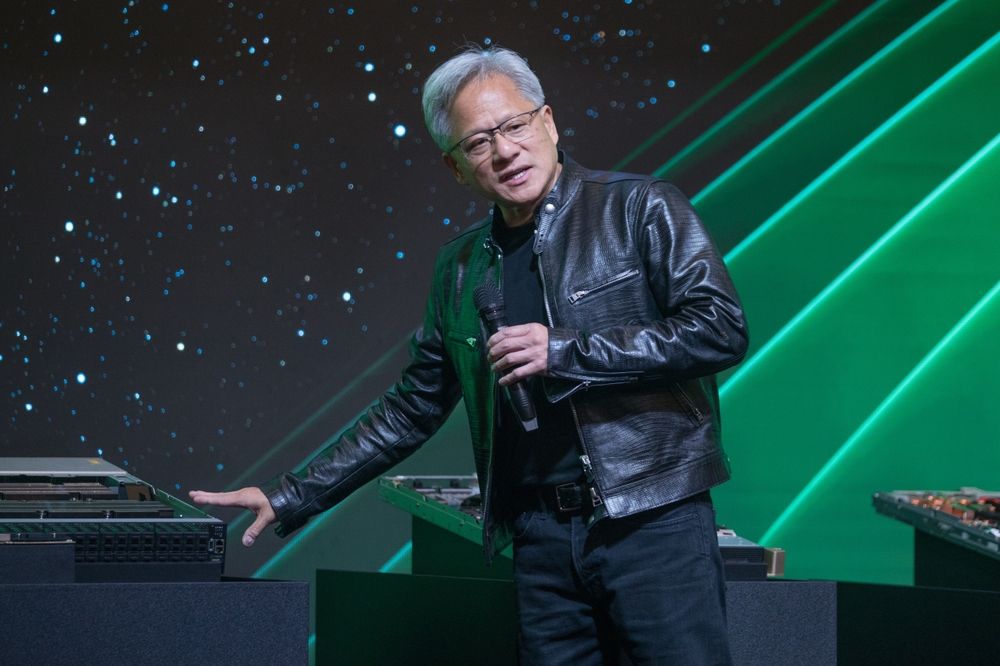
A proposed California ballot initiative that would impose a one-time tax on billionaires may come with a hefty price tag for Jensen Huang, but the Nvidia CEO has shown little concern about the potential hit — or about keeping the company anchored in the state.
In a recent interview with Bloomberg, Huang said he is “perfectly fine” with the proposal, which would levy a one-time 5% tax on individuals with net worths exceeding $1 billion. Based on Huang’s estimated $156 billion fortune, the measure could translate into a tax bill of nearly $8 billion.
The proposal comes amid growing criticism that California’s tax and regulatory environment is pushing wealthy residents and high-skilled talent out of the state. However, Huang has repeatedly rejected the notion that Nvidia is considering leaving.
He has emphasized California’s deep talent pool, research universities, and long-standing role as the center of the global semiconductor and AI ecosystem. Nvidia remains headquartered in Santa Clara, and Huang has not indicated any plans to relocate the company or shift its core operations elsewhere.
Not everyone in the billionaire class feels the same.
Billionaire revolt
While Huang has expressed a willingness to absorb the cost of a one-time wealth tax, other tech billionaires have taken a more defensive posture.
As reported by the San Francisco Chronicle, Larry Page and Larry Ellison have taken steps to move business entities and personal ties out of California, positioning themselves in states such as Delaware, Florida, Texas, and Nevada.
The diverging responses highlight a growing split among tech leaders, between those willing to pay a premium to remain embedded in Silicon Valley’s ecosystem and those increasingly looking elsewhere as California debates higher taxes on its wealthiest residents.
The billionaire exodus from California has increased in recent years. One of the most prominent examples is Elon Musk, who moved his personal residence to Texas in 2020 and relocated Tesla’s corporate headquarters from Palo Alto to Austin in 2021 amid longstanding criticisms of California’s regulatory environment.
The public revolt
The contrasting responses from Huang and his fellow tech billionaires reflect a broader public debate over wealth inequality and the growing political influence of the ultra-rich.
That tension has increasingly entered the political mainstream. Last year, Bernie Sanders accused the Trump administration of exacerbating income inequality, arguing that trade war uncertainty was weighing on working-class Americans even as billionaires continued to grow wealthier.
Sanders pointed to figures such as Musk, Ellison, Mark Zuckerberg, and Jeff Bezos, who collectively added billions of dollars to their net worth during a period marked by economic anxiety for many households, fueling calls for higher taxes on the nation’s wealthiest individuals.