History shows late-October “scares” often give way to powerful year-end rallies

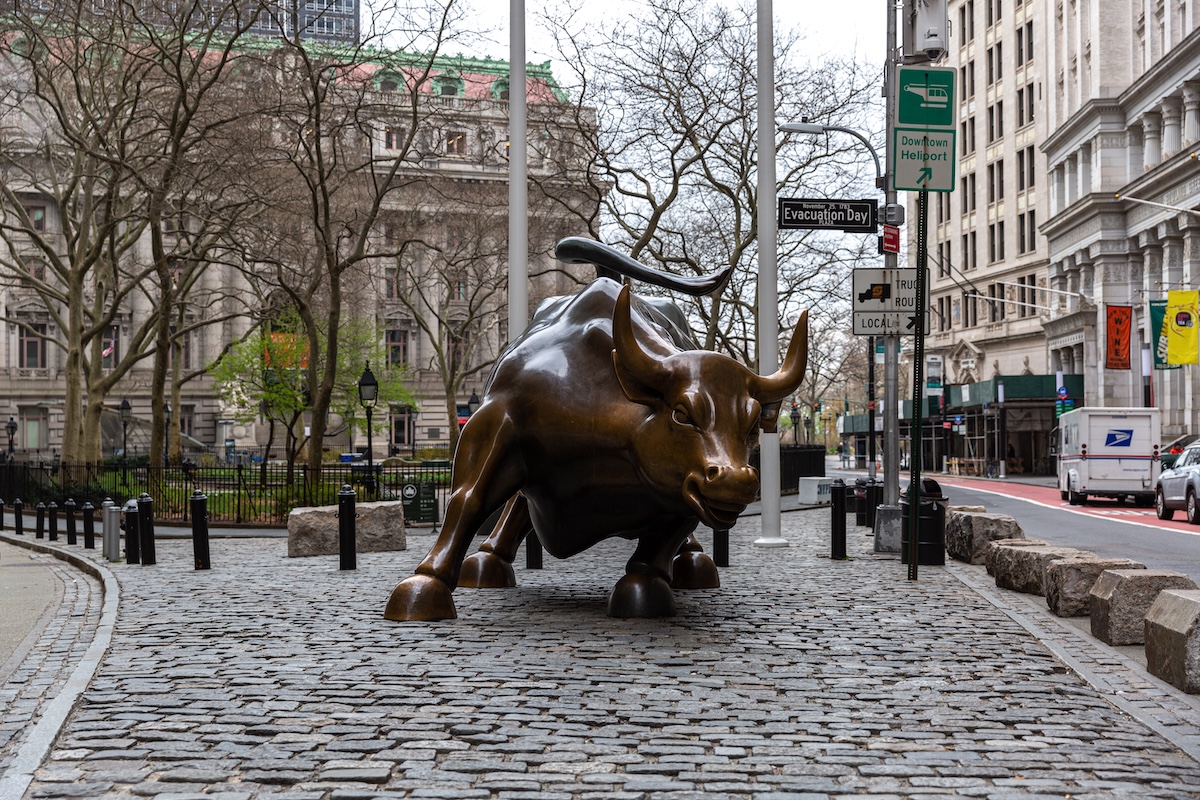
Institutional investors appear poised to re-enter the U.S. stock market after last week’s better-than-expected inflation report, aligning with a historic pattern in which equities spook investors before Halloween only to rally into year-end.
Scott Rubner, head of equity and equity derivatives strategy at Citadel Securities, said the latest Consumer Price Index (CPI) data gives stocks the green light to continue higher in the near term.
The timing, he noted, is remarkably consistent with history: on average, Oct. 26 marks the fourth-quarter low for the S&P 500, while Oct. 27 marks the Q4 low for the Nasdaq 100.
This so-called “Halloween trade” often sets the stage for a powerful year-end rally, suggesting that late-October dips can offer an attractive entry point for investors.
“Happy Halloween,” Rubner wrote in his note, adding that what may look spooky for markets in late October has historically been the perfect trick (and treat) for investors.
CPI clears the stage
Rubner said the Friday morning CPI report “marked the highest volume of incoming client inquiries since I joined Citadel Securities,” underscoring how investors viewed the data as an all-clear signal for further gains.
The CPI report was significant for several reasons. First, it marked the government’s effort to release delayed inflation data as soon as possible, ensuring market transparency amid an ongoing data blackout caused by the government shutdown.
More importantly, the CPI rose 3% year over year in September, slightly higher than in August but below the consensus forecast of 3.1%. On a monthly basis, consumer prices increased 0.3%, also coming in lower than expectations of 0.4%.
That subtle yet meaningful discrepancy suggests inflation isn’t re-accelerating as quickly as economists feared, giving the Federal Reserve additional room to continue cutting interest rates through the remainder of the year.
Traders double down on rate cuts
Expectations for additional Federal Reserve easing have surged ahead of this week’s Federal Open Market Committee (FOMC) meeting.
The CME Group’s FedWatch Tool now shows a 97% probability of a rate cut, while traders are also pricing in a 94.8% chance of another 25-basis-point cut in December.
Looking further ahead, the odds of a January rate cut have climbed to around 59%, suggesting markets see better-than-even chances of continued monetary easing, according to CME data.
Interestingly, the Secured Overnight Financing Rate (SOFR) — a key benchmark for short-term borrowing costs — indicates that some investors are positioning for a larger move.
As InvestorsObserver reported, SOFR call options show traders betting that rates could fall to 3.5% by year-end, roughly 75 basis points below current levels.