BOE’s “Stablecoin Fix” still leaves the UK on the back foot

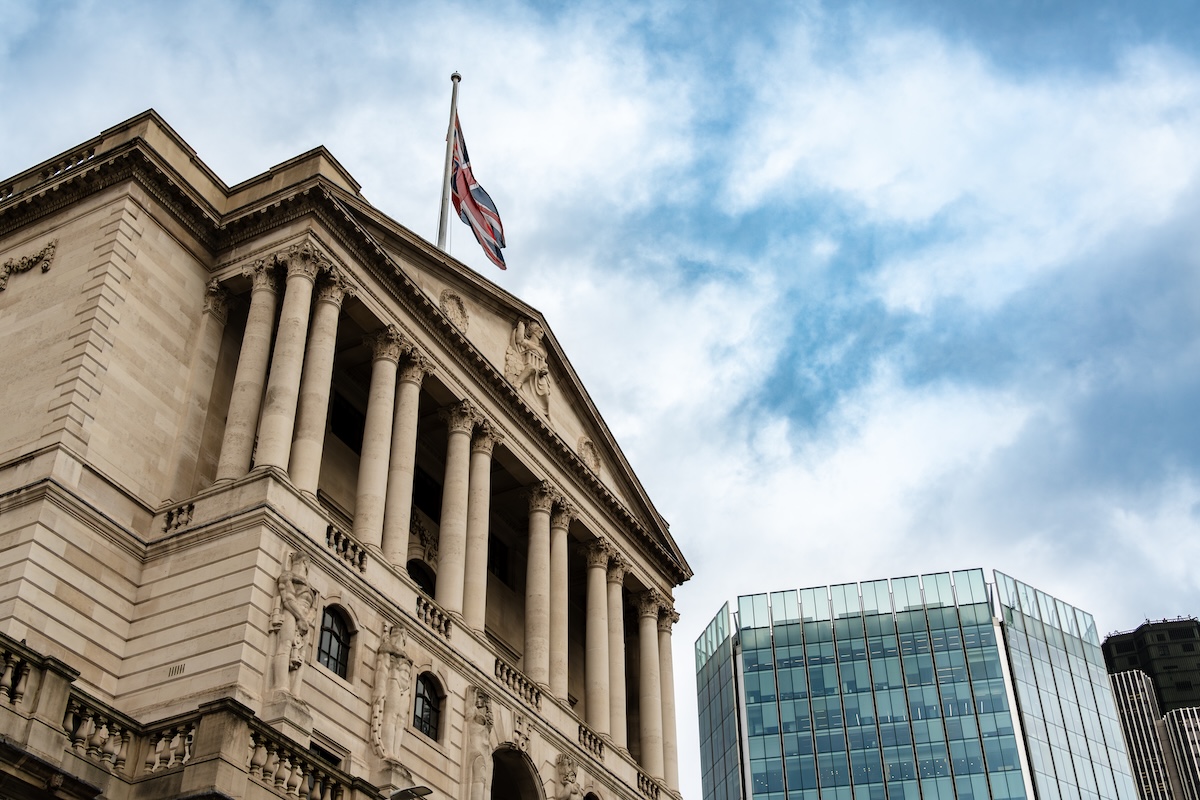
The Bank of England rolled out fresh proposals Monday for the UK’s long-awaited stablecoin framework, easing some earlier restrictions, but not enough to win over critics.
The update follows a September discussion paper that drew heavy backlash from crypto and payments industry leaders.
At the center of the dispute: strict limits on how much individuals and businesses could hold in so-called systemic stablecoins, tokens the BOE defines as widely used in the UK or likely to be in the future.
Under the original plan, individuals would face caps of £10,000–£20,000 ($13,600–$27,200), while businesses would be limited to £10 million ($13.6 million).
Critics argued the caps would put London at a clear disadvantage compared to the US, which recently passed its landmark GENIUS Act without any similar limits.
“Imposing caps on stablecoins is bad for UK savers, bad for the City, and bad for sterling,” said Tom Duff Gordon, Coinbase’s VP of international policy, in the Financial Times.
“No other major jurisdiction has deemed it necessary to impose caps.”
The BOE also faced heat for proposing that all systemic stablecoins be fully backed by deposits held at the central bank, which pay no interest.
That, critics said, would make launching stablecoins in the UK commercially unattractive.
Monday’s revisions soften that stance a bit. Issuers would now be allowed to hold up to 60% of backing assets in short-term UK government debt, while those “considered systemic at launch” could start with up to 95% in gilts “to support their viability as they grow.”
The BOE kept its £20,000 cap for individuals, offering only a narrow exemption for the UK’s largest companies that may need to exceed the £10 million business limit.
The bank described the limits as temporary but didn’t specify when they’d be lifted.
“These limits would be removed once the transition no longer poses risks to the provision of finance to the real economy,” the BOE said.
Critics say BOE is fighting a ‘hypothetical risk’
Sarah Breeden, Deputy Governor for Financial Stability, said the bank’s goal “remains to support innovation and build trust in this emerging form of money.”
“We’ve listened carefully to feedback and amended our proposals,” Breeden said. “These proposals are fit for a future where stablecoins play a meaningful role in payments, giving the industry the clarity it needs to plan with confidence.”
But industry voices argue that the central bank is addressing a risk that barely exists.
Arnoud Star Busmann, CEO at European issuer Quantoz, said the proposed £10 million cap “will make it difficult for large corporates to use stablecoins efficiently for treasury or capital management.”
“Businesses need the ability to manage higher balances to realize the true benefits of instant settlement and tokenized yield,” Busmann said, warning the UK risks building “an environment where stablecoins remain under-used, despite strong market demand.”
London-based enterprise blockchain firm R3 was even more blunt. In a post on X, the company said the £20,000 individual cap could “restrict access to tokenized assets and yield opportunities,” potentially triggering “a flight from British pound–based digital assets to dollar-based ones.”
R3 noted that the British pound stablecoin market currently makes up less than 0.1% of global issuance, calling the threat of large-scale depositor flight “virtually zero.”
“The Bank of England’s £20,000 stablecoin cap proposal addresses a hypothetical risk at the cost of the UK’s digital finance ambitions,” said Richard G. Brown, CEO of R3.