Another shutdown is looming, and this one could play out differently

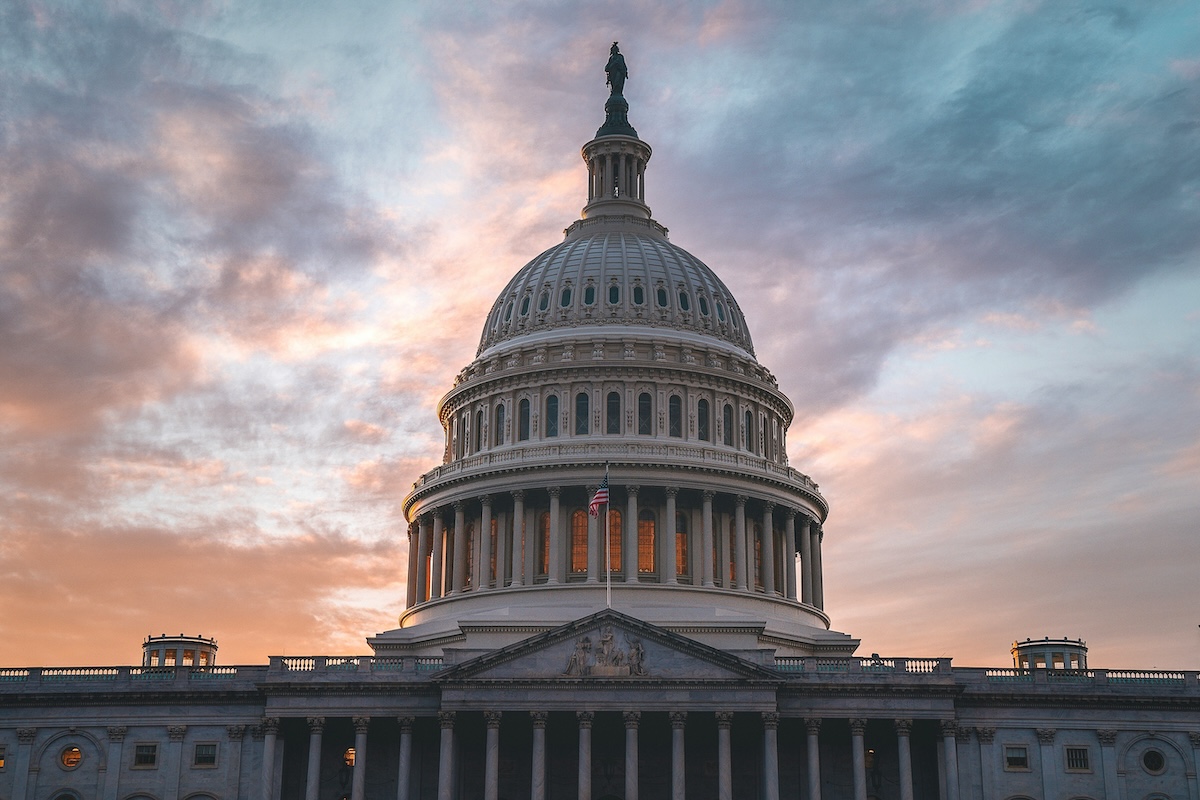
Last year’s federal government shutdown turned out to be more than just political theater. It left real economic scars, including a lapse in official data that still impacts the economy today.
Key reports didn’t get published and, even now, economists are trying to piece together delayed figures from as far back as November.
Another government funding deadline is already rapidly approaching, and investors are bracing for a political standoff that could ripple through financial markets.
A shutdown sequel draws nearer
The odds of a partial shutdown jump sharply if Congress fails to act by Friday at midnight. The setup is frustratingly familiar, but some important details have changed.
This time around:
- Half of the 12 funding bills are already signed, which should limit the scope of disruption
- Funding for the Commerce Department is secure, suggesting PCE inflation reports would still be published under shutdown conditions
- But other agencies, including the Labor Department, FAA, and TSA, are at risk, potentially interrupting data and travel
The political setup is also more volatile ahead of the next deadline. Senate Democrats have vowed to block a funding package that includes DHS following the fatal shooting of a protester in Minneapolis over the weekend.
And with the House out of session until early next month, even a short-term fix could face procedural challenges.
All in all, the current situation raises the risk of delayed jobs and inflation data, airport staffing shortages, and broad-based market uncertainty at an already precarious moment for stocks and bonds.
What analysts are saying
Institutional research suggests this shutdown would likely be shorter than last year’s record-breaking episode. But that doesn’t equate to a painless experience for investors.
Wolfe Research says any shutdown would mainly impact the timing (but not the quality) of major data releases. And BofA economists say even a small gap in reports would be more disruptive than usual since markets still haven’t fully recovered from the last one.
Taking a look at the big picture, Charles Schwab’s Michael Townsend says a partial shutdown is becoming “increasingly likely” due to political pressures and scheduling constraints.
So what should investors do? History shows that shutdowns rarely derail market trends completely, but they do amplify volatility.
In uncertain moments like this, patience generally pays off … especially when headlines are being driven more by politics than fundamentals.