“Another day, another negative development in private credit,” bond king warns

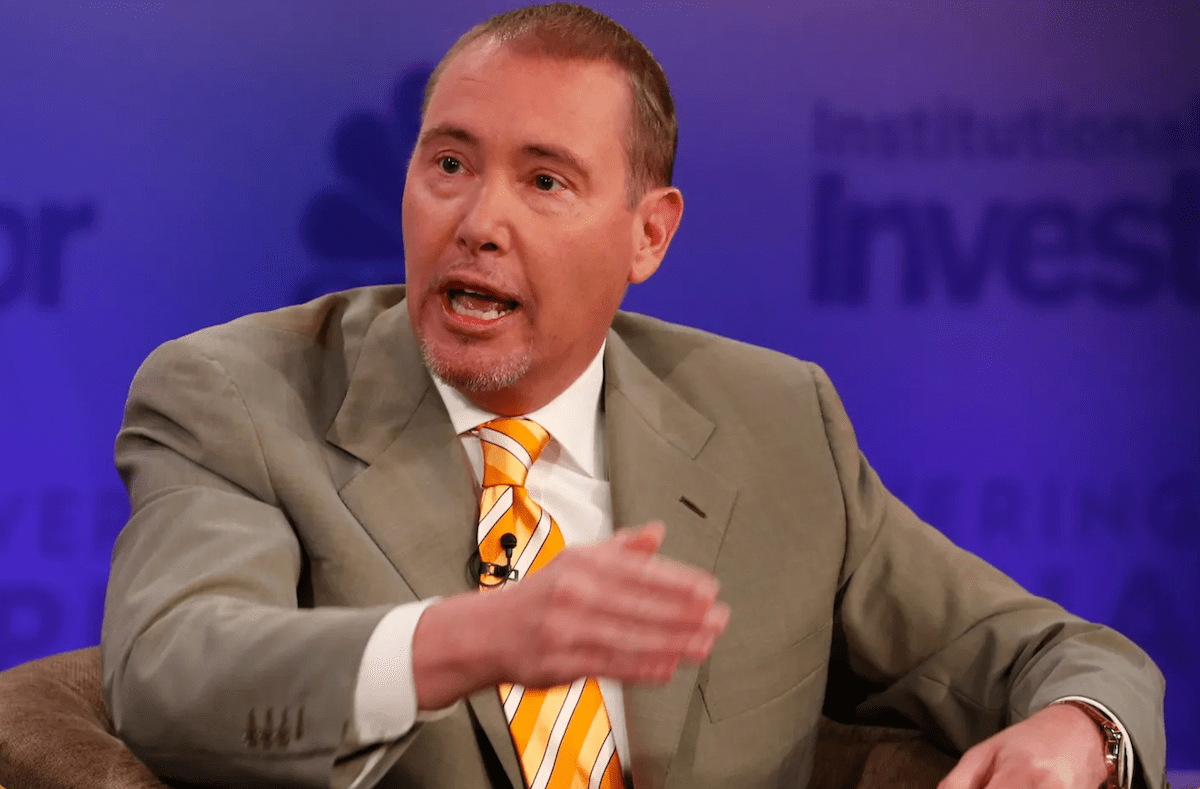
DoubleLine CEO Jeffrey Gundlach, often dubbed the “bond king,” is the latest prominent investor to sound the alarm on growing risks in the private credit market.
His concern is a niche area known as payment-in-kind (PIK) loans, a form of debt that allows borrowers to pay interest with more debt instead of cash.
“Another day, another negative development in private credit land,” Gundlach wrote on social media, referencing a recent Bloomberg report highlighting the rapid rise of PIK financing.
The sector’s “proliferation [is] masking the stress and likely coming defaults,” Gundlach said.
The Bloomberg report described a surge in so-called “bad PIK” loans, which are being added to existing debt structures to ease borrowers’ cash-flow pressures.
The publication cited data from Lincoln International, a mid-market investment bank and valuation firm that tracks private credit performance, which said the rise in bad PIK is a major red flag — effectively a “shadow default rate.”
According to Bloomberg, the share of bad PIK loans has climbed to 6%, up from 2% in 2021.
“PIK is a way of avoiding defaults, so we’re not thrilled by it,” said Cambridge Associates’ managing director Vijay Padmanabhan.
The problem with PIK loans is that the debt compounds: when the loan matures, borrowers can end up owing both the original principal and the accumulated interest. If they can’t refinance or raise new capital, the risk of default rises sharply.
Private credit warnings proliferate
Risks are building across the private credit market, as evidenced by the recent collapses of subprime auto lender Tricolor Holdings and auto-parts maker First Brands Group.
Tricolor’s bankruptcy was rooted in problems with subprime auto-loan securitizations, while First Brands’ financial strain emerged from its leveraged loan exposure.
Together, the two cases highlight how credit stress is bleeding across markets as higher interest rates expose weaker balance sheets.
JPMorgan Chase CEO Jamie Dimon warned that such failures are likely not isolated incidents. He likened them to “cockroaches,” suggesting that when one appears, “there’s probably more.”
In addition to Tricolor and First Brands, Dimon said there are “a couple of other ones out there” that fall into similar categories, though he declined to name specific companies.
“We always look at these things, and we’re not omnipotent — we make mistakes too,” he added.
Some of the risks specific to leveraged loans have been repeatedly flagged by the Federal Deposit Insurance Corporation (FDIC).
The agency warned again in July of “heightened risks” in the sector and noted that loan structures have continued to weaken.