America’s pandemic housing boom turns to bust in these 9 cities

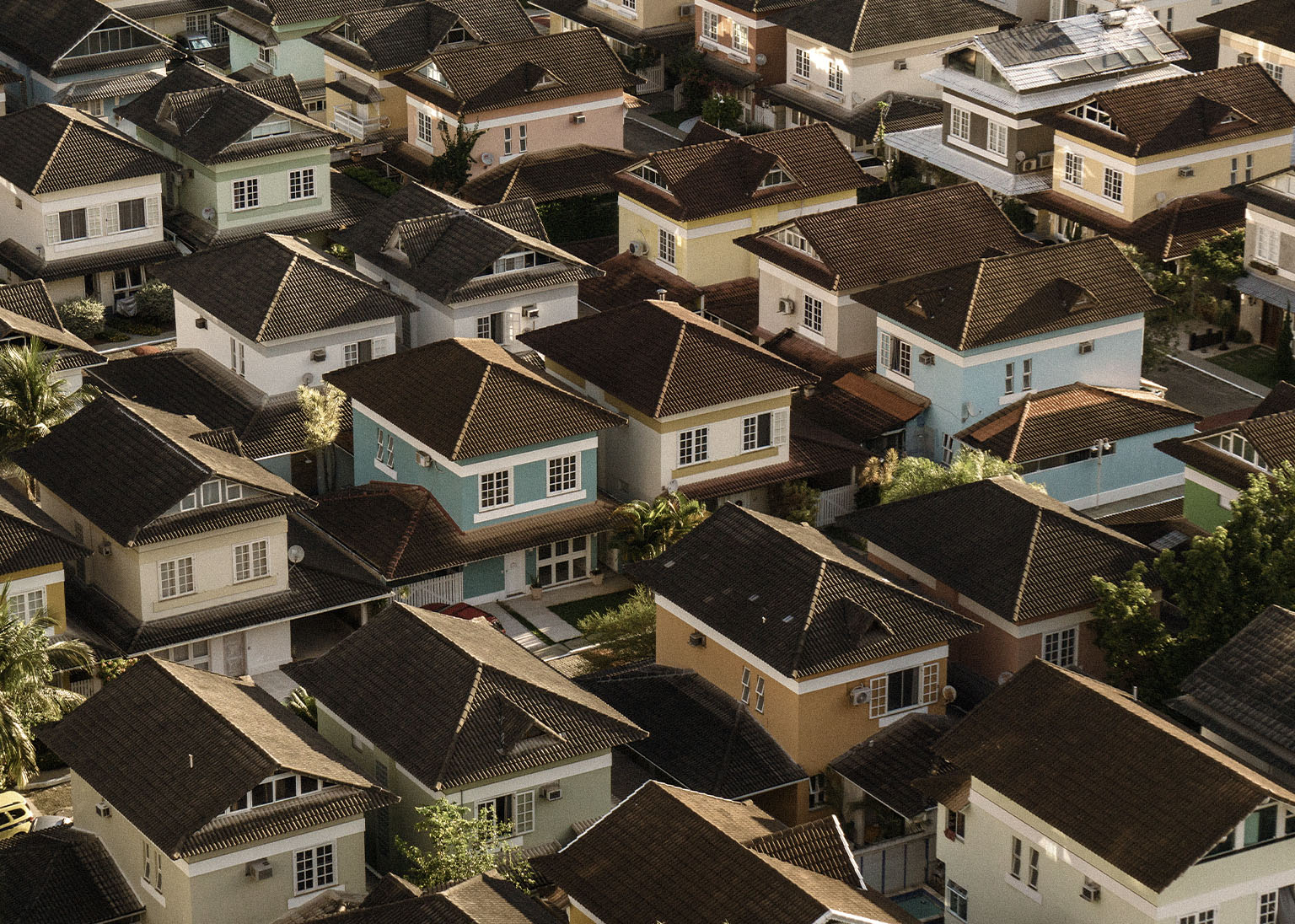
The housing boom that accelerated during the pandemic appears to be entering its bust phase, with several former real estate hot spots in the Sun Belt posting year-over-year price declines for the first time since 2020.
According to Reator.com data, nine major U.S. cities saw year-over-year home price declines in August: Tampa, Florida; Phoenix, Arizona; Miami, Florida; San Francisco, California; Dallas, Texas; Denver, Colorado; San Diego, California; Seattle, Washington; and Los Angeles, California.
Market commentator Zerohedge highlighted the “unprecedented pace of declines” in California, which had experienced runaway home price growth for years before the recent downturn.
“For the fourth straight month, home values have lost ground to inflation, meaning homeowners are seeing their real wealth decline even as nominal prices inch higher,” said Nicholas Godec of S&P Dow Jones Indices.
While prices in these once-scorching markets are only down a few percentage points compared with a year earlier, analysts say it’s the trend reversal that matters most. Housing demand has cooled sharply, with as many as 500,000 more homes listed for sale than active buyers, according to Redfin data.
Redfin attributed the growing surplus of homes to elevated prices, persistently high mortgage rates, and a backlog of new listings as more homeowners rush to sell into a cooling market.
Taken together, these factors point to a broad housing market correction in 2025, led by mounting weakness in Florida and the western United States.
Analysts warn of further drop in home prices
Analysts, including Reventure Consulting’s Nick Gerli, expect home prices to continue declining in the near future, potentially falling below the cost of renting in many markets.
“In fact, it’s likely the cost to buy will swing under the cost to rent,” Gerli wrote on X, referring to the combined effects of falling home prices and declining mortgage rates.
For Gerli’s forecast to materialize, a significant reversal of current market dynamics would be required. At present, buying a home remains far more expensive than renting across most of the country.
Research from InvestorsObserver shows that housing affordability has deteriorated sharply since 2021, driven largely by soaring financing costs amid higher interest rates.
Mortgage rates remain the pivotal factor in easing the nation’s housing affordability crisis. The average 30-year fixed rate has fallen sharply from its October 2023 peak of 7.79%, but still hovers above 6%, according to Freddie Mac.
Analysts say that a more substantial decline in borrowing costs will be needed to draw buyers back into the market and stabilize demand after a year of slowing sales and rising inventory.