A global chip shortage that isn’t easing anytime soon

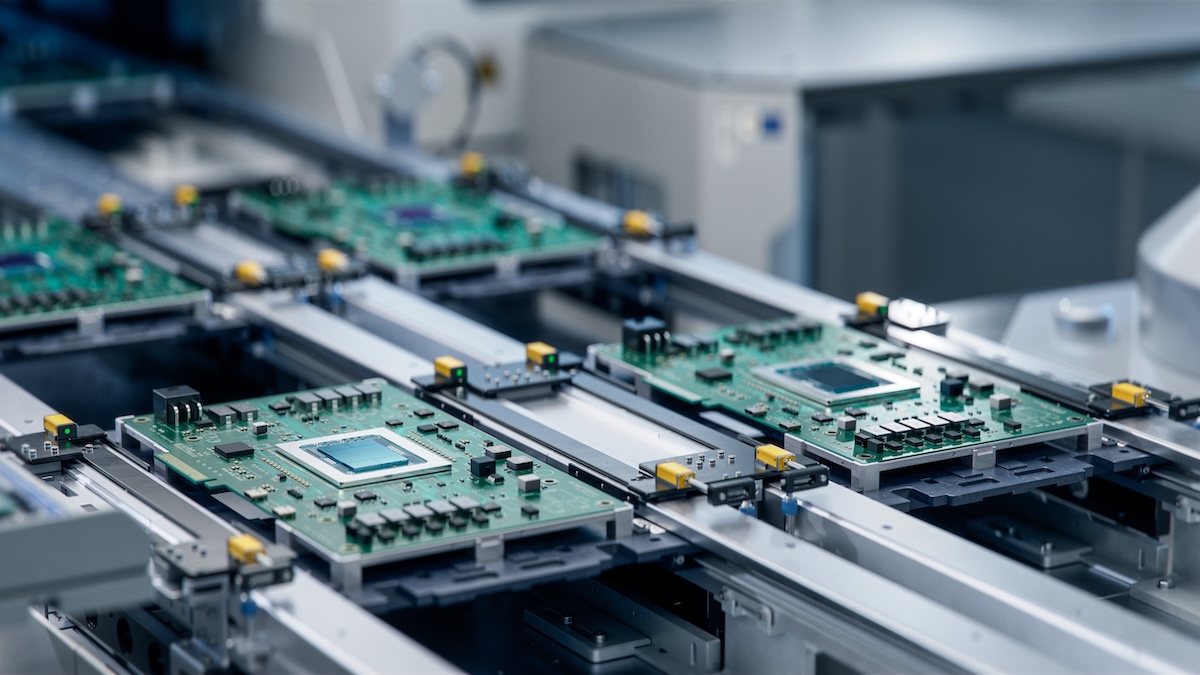
The global chip shortage isn’t fading. In some corners of the market, it’s getting worse.
Micron says it can’t make enough of its most advanced memory chips to meet demand, and doesn’t expect that gap to close before 2027 as AI use continues to expand.
“This shortage is really unprecedented,” Micron executive Manish Bhatia said.
Why Micron is moving faster in Taiwan
Against that backdrop, Micron’s recent move to acquire a fabrication facility in Taiwan makes more sense.
The deal isn’t about expansion for expansion’s sake. It’s about time.
Starting new DRAM memory production takes time, often years. DRAM is the type of memory computers and data centers use to work quickly. By taking over an existing facility, Micron can start making more of it sooner than it otherwise could.
That matters because:
- Every delay extends the shortage. When demand runs ahead of supply, even small timing gains can matter.
- AI demand isn’t slowing. Data centers need large amounts of fast memory, and that demand is still climbing.
- Pricing pressure remains elevated. With supply tight, chipmakers have more room to charge higher prices for the memory customers need most.
The bigger picture
Micron expects meaningful new supply from this move to arrive in the second half of 2027. Until then, the imbalance between demand and supply is likely to persist, keeping pressure on chip availability and prices across the semiconductor industry.
Bottom line: The AI-related chip shortage isn’t a short-term hiccup. Micron’s Taiwan move shows how hard, and how urgent, it is to bring new capacity online.