A Fed rate cut in December is starting to sound like less of a sure thing

When the Federal Reserve made its first 25 basis point cut to interest rates in September, there appeared to be a broad expectation that the Fed would make similar cuts during its final two meetings of the year.
While the Fed did indeed make a second 25 basis point cut in October, doubts are starting to rise about whether it will do so one more time in December.
Although inflation has remained stubbornly sticky, hovering at 3%, which is higher than the desired 2% target, the worsening American job market had seemed to be taking precedence over inflationary concerns.
When employment starts to decline, market observers normally expect the Fed to cut rates in order to make it cheaper for businesses to borrow money, which encourages them to invest and hire more workers to stimulate the economy and avoid a recession.
The Fed’s statement after the September rate indeed seemed to indicate further cuts were ahead, as the central bank focused on concerns over employment more than inflation.
“Job gains have slowed and the unemployment rate has edged up,” the Fed said in its statements, while adding that “downside risk to employment has risen.”
Inflation takes center stage again
But despite the weakening labor market, multiple Fed officials expressed growing concern this week over the sustained inflationary risks.
“I supported the additional 25 basis point cut at the last FOMC meeting,” Susan M. Collins, president and CEO of the Federal Reserve Bank of Boston, said during a speech on Wednesday.
“With downside risks to employment increasing relative to the upside risks to inflation this past summer, I decided that dialing the restrictiveness of our policy stance down another notch was prudent because it provides a bit more support to the employment side of our mandate.”
However, Collins said she nonetheless supports keeping rates at their current level because “providing additional monetary support to economic activity runs the risk of slowing, or possibly even stalling, the return of inflation to target,” she said.
“And with resilient demand, the downside risks to employment, while present, do not seem to have increased further since the summer,” Collins added.
“Absent evidence of a notable labor market deterioration, I would be hesitant to ease policy further, especially given the limited information on inflation due to the government shutdown.”
Minneapolis Fed President Neel Kashkari, who had said in September that a third rate cut by the end of the year would be warranted, sounded less sure during opening remarks at a conference hosted by his bank on Thursday.
“We have inflation that’s still too high, running at about 3%,” he said. “Some sectors of the US economy look like they’re doing great. Some sectors of the labor market look like they’re under pressure.”
The remarks seem to reflect that Kashkari is not ruling out a cut, but he is now less of it than he was a couple of months ago.
However, because White House said on Wednesday that the October jobs and inflaton reports will likely not be released because of the government shutdown that just ended, it means the Fed is flying blind on the most up to date figures.
San Francisco Fed President Mary Daly, who like Kashkari was confident in a third rate cut in September, is also now wavering too.
In a speech in Dublin, Ireland on Thursday, Daly said any call about a rate cut would be “premature” right now.
"I have an open mind, but I haven't made a final decision on what I think, and I'm looking forward to debating with my colleagues," she said.
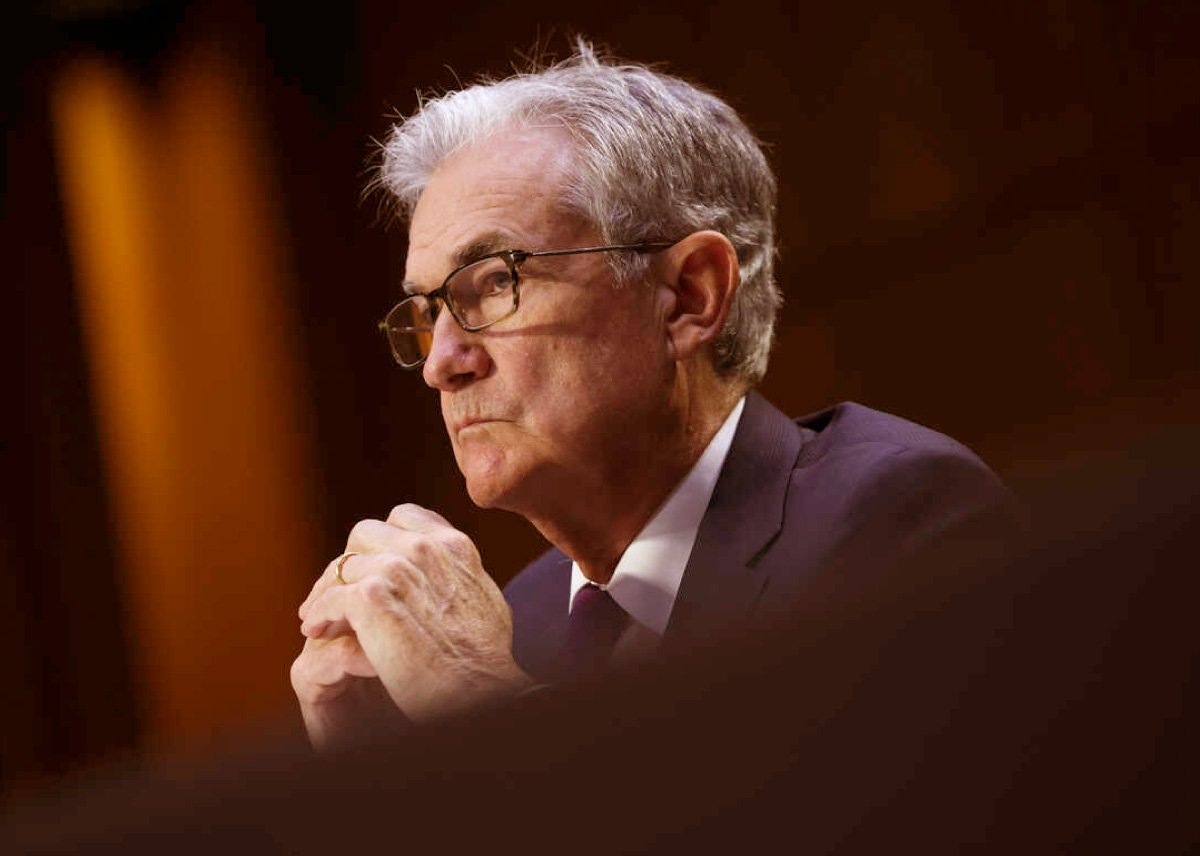
To be sure, Fed Chairman Jerome Powell made it clear in the press conference after the October FOMC meeting that a third rate cut in December was not guaranteed.
“A further reduction in the policy rate at the December meeting is not a foregone conclusion,” Powell said. “Far from it.”