“The Fed may be done with inflation, but inflation isn’t done with the Fed”

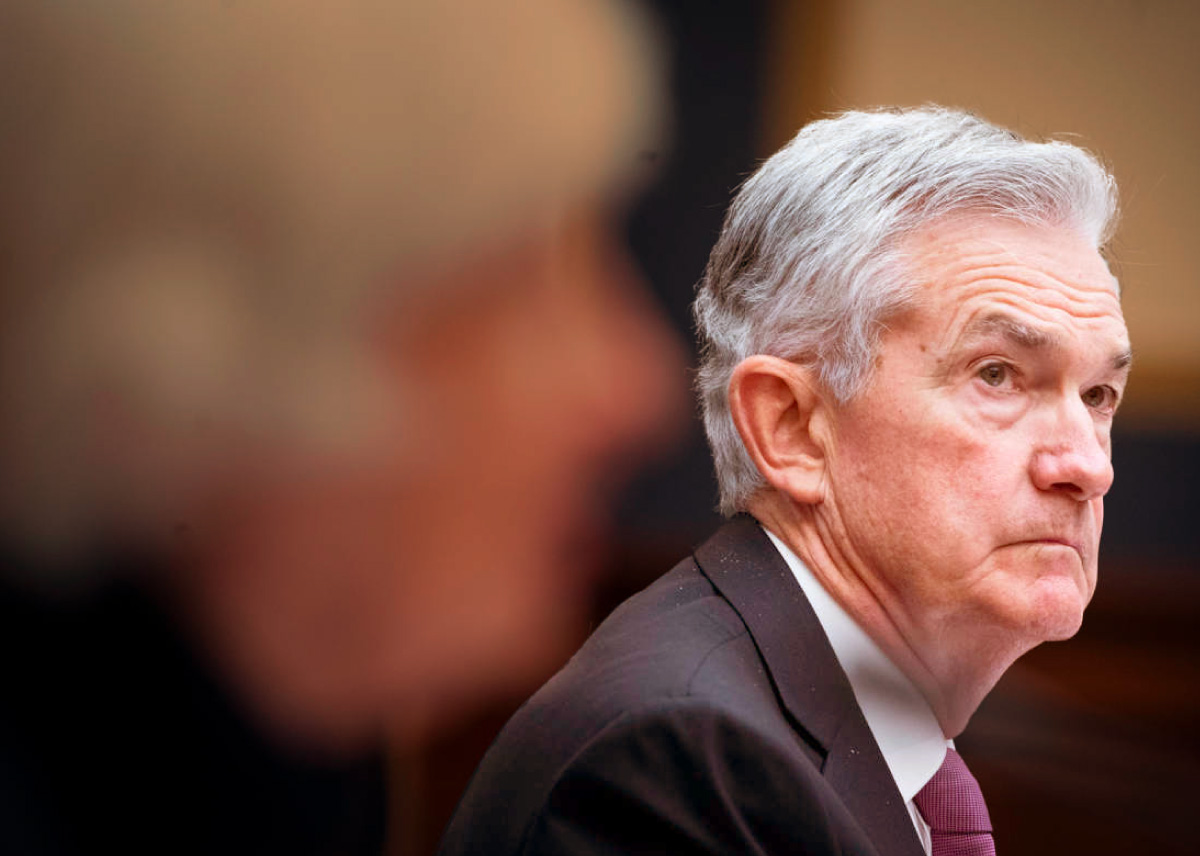
The Federal Reserve finds itself in a bind: its rate-cut campaign has failed to push down long-term borrowing costs, a sign that investors see inflation as stickier than policymakers do.
Despite beginning rate cuts in September 2024, the Fed has watched the 30-year U.S. Treasury yield climb from below 4% to around 4.8% after 150 basis points of easing, according to market strategist Charlie Bilello.
Typically, rate cuts put downward pressure on long-term yields by signaling a shift toward looser monetary policy. This time, the opposite has occurred.
Rising long-term yields suggest investors expect inflation to remain elevated and are demanding higher compensation for that risk, even as short-term rates fall. In other words, markets aren’t fully convinced the inflation battle is over.
“The Fed may be done with inflation, but inflation isn’t done with the Fed,” Bilello wrote. “If long yields keep rising, they won’t admit a policy mistake - they’ll just bring back QE,” referring to quantitative easing, or large-scale bond buying.
The Fed started cutting rates in Sep 2024 with the 30-yr yield below 4%.
undefined Charlie Bilello (@charliebilello) December 5, 2025
They've now cut 150 bps and the 30-yr is at 4.8%.
The Fed may be done with inflation, but inflation isn’t done with the Fed.
If long yields keep rising, they won’t admit a policy mistake - they’ll just… pic.twitter.com/wW3hzhkYff
Bilello noted that the Fed’s challenge lies in the long end of the yield curve, which is driven by market expectations rather than central bank policy. If long-term rates continue to grind higher, the central bank may have little choice but to intervene with renewed QE to pull them back down.
The Fed’s inflation bind
Central bankers have already broken with convention by cutting interest rates even as inflation remains well above their 2% long-term target.
The inflation debate intensified last week after the Commerce Department reported that the Personal Consumption Expenditures (PCE) price index rose to 2.8% in September, up from 2.7% the month before and the highest reading since April 2024.
There was one bright spot: core PCE, which excludes volatile food and energy costs and is closely watched by the Fed, inched down to 2.8% from 2.9%.
Still, despite inflation’s persistence, markets are pricing in an 86% probability of another rate cut this week, according to the CME Group’s FedWatch Tool. Those odds have risen sharply from one month ago, when investors were unsure about the central bank’s next move.
The recent data is “certainly not going to stop them from cutting,” NerdWallet senior economist Elizabeth Renter told CNN.
Renter was referring to growing expectations for interest-rate cuts as the U.S. labor market shows further signs of weakening, including rising layoffs and slowing job growth.
Because of this, Bilello previously called the Fed’s 2% inflation target a “fairy tale.”
“They printed trillions, and the bill is still coming due,” he said.
The Fed is cutting rates into 4% average inflation since 2020.
undefined Charlie Bilello (@charliebilello) October 27, 2025
Their “2% target” is a fairy tale.
They printed trillions, and the bill is still coming due.
If they had any backbone, they’d be hiking rates this week.
Video: https://t.co/SGfTDJRXo1 pic.twitter.com/tBkEgS51Kf