Powell does not see oil price shock as a reason to raise rates

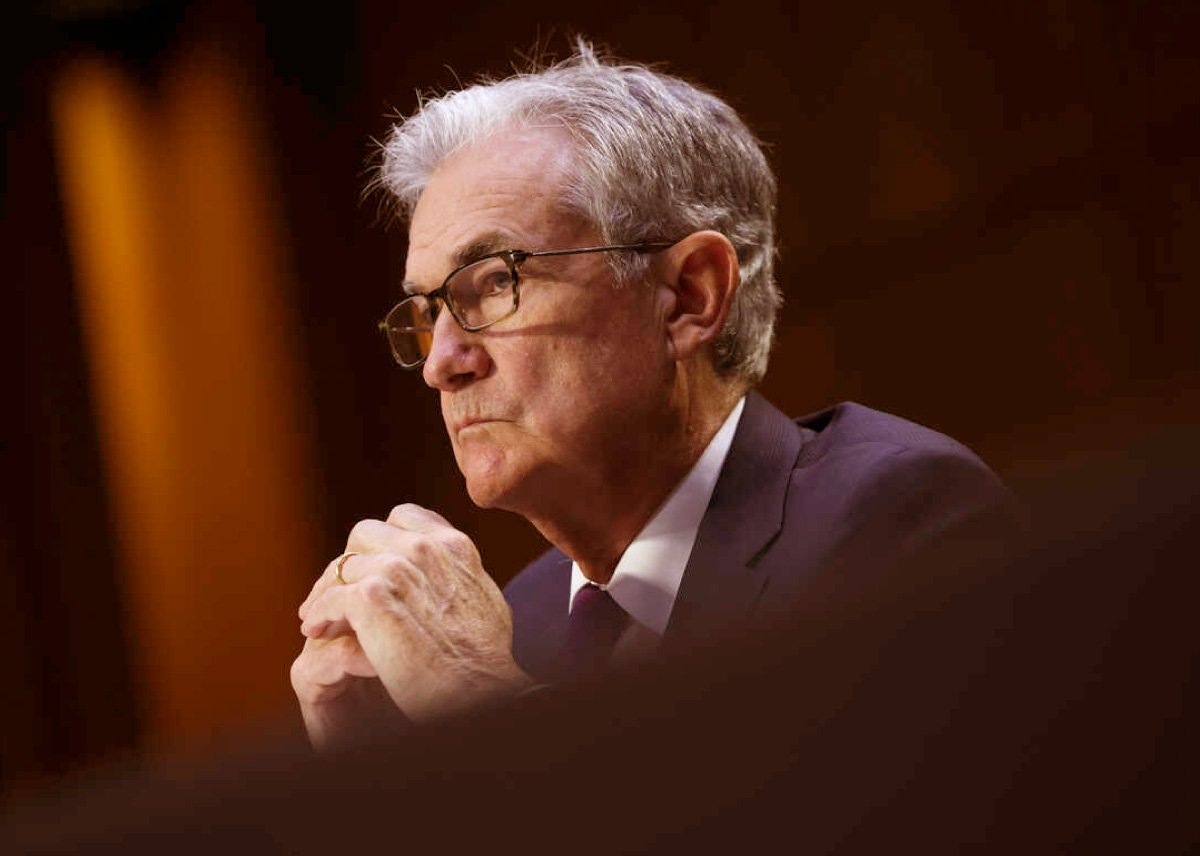
Although the war in Iran has sent oil prices soaring above $100 a barrel and Americans are starting to see higher prices at the gas pump, Federal Reserve Chairman Jerome Powell does not view either of these scenarios as catalysts to hike interest rates at the moment.
While speaking at Harvard University on Monday, Powell noted that the Fed's role is to use monetary policy to address long-term issues facing the economy, rather than to respond to near-term energy shocks, where its tools are less effective. He also pointed out that the central bank focuses on demand, rather than supply.
"Our tools work on demand: higher rates will tend to moderate demand, lower rates will tend to stimulate demand," Powell said. "And when you have a supply shock, our tool doesn't have a meaningful shorter term effect on supply."
He added that by trying to address a short-term energy shock, the Fed might take actions that run counter to the health of the economy.
“By the time the effects of a tightening in monetary policy take effect, the oil price shock is probably long gone, and you’re weighing on the economy at a time when it’s not appropriate,” Powell said. “So the tendency is to look through any kind of a supply shock.”
Powell reiterated his belief that the current rate target of 3.5% to 3.75% remains a "good place" for the Fed to maintain as a holding pattern while it continues to monitor how the current issues facing the economy play out, including the war in Iran and the impact of President Trump's tariffs on prices.
The market had been fearing another rate hike in response to the energy price shock caused by the war in the Middle East, with the odds of a quarter percentage increase reaching more than 50% as of Friday.
But Goldman Sachs strategist Dominic Wilson said in a note on Monday that investors have been wrong in their outlook of how the Federal Reserve will approach its policies in response to the rising oil prices. He pointed out that the Fed under Alan Greenspan held steady with rates during the 1990s when oil prices jumped after Iraq invaded Kuwait.
The same approach appears to be what the Fed will do under Powell during the current Middle East crisis.
“The market has priced a much larger hawkish shock than historical experience would suggest,” Wilson said.
In fact, the bond market rallied on Monday on Powell's statements as traders now seem to be expecting the Fed to cut rates as they see the Iran war will accelerate the slowdown of the US economy.
Powell said during his talk at Harvard on Monday that the Fed will continue to focus on its goals of keeping prices stable and unemployment low, rather than react to short-term volatility in the markets.
“Inflation expectations do appear to be well anchored beyond the short term, but nonetheless, it’s something we will eventually maybe face the question of what to do here,” he said. “We’re not really facing it yet, because we don’t know what the economic effects will be, but we’ll certainly be mindful of that broader context when we make that decision.”
Powell did not rule out the possibility that the Fed may eventually have to respond to economic impacts caused by the conflict in the Middle East, but he does not see it reaching that point yet.
“We don’t know what the economic effects will be,” he said. “We do think our policy is in a good place for us to wait and see.”