Japan’s bond market is cracking and the shockwaves are headed west

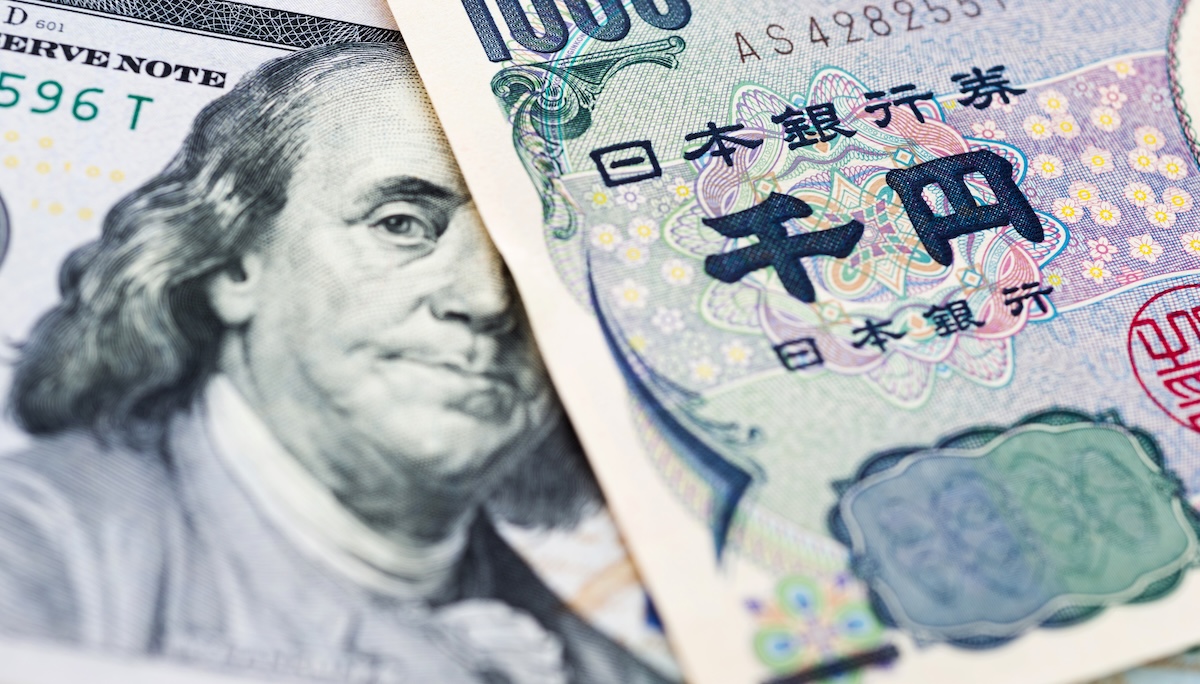
Japan’s financial system is sliding into a slow-burn stress event, as regional banks rack up mounting unrealized losses from plunging domestic bond price
Unrealized losses at Japanese regional banks jumped by roughly $4 billion in the fiscal second quarter ended Sept. 30, reaching a record $21.3 billion.
That represents a 260% increase since March 2024, when the Bank of Japan raised interest rates for the first time in decades, according to data cited by Bloomberg.
Japanese financial institutions are now staring down their fifth consecutive year of unrealized bond losses, according to The Kobeissi Letter. The mounting damage comes as Japanese government bonds suffer their worst price decline in history.
That description isn’t hyperbolic. Japanese government bonds have recorded their fastest yield rise on record and their steepest multi-year price collapse ever, violently upending assumptions that Japanese bonds are inherently stable.
Regional banks are particularly exposed. They hold disproportionately large Japanese government bond portfolios, operate with thinner capital buffers than megabanks, and rely heavily on spread income.
This is no longer a technical accounting issue.
It marks a generational inflection point for Japan’s financial system. The zero-rate era is over, bond prices are no longer stable, and balance-sheet stress is becoming increasingly visible.
Japan as the “endgame” for Western markets
Michael A. Gayed, CFA and portfolio manager of the Free Markets ETF, has been warning about Japan’s fragility for years.
“What’s happening to Japan goes beyond the stock market,” Gayed wrote on X.
In a recent interview with David Lin, Gayed argued that Japan — not the AI boom led by Nvidia — represents the true center of global market risk, pointing to surging Japanese bond yields and the unwinding of the yen carry trade.
Gayed says a portion of the money fueling Nvidia and other AI leaders is liquidity generated by yen borrowing and Japanese retail investors fleeing a weakening currency.
He describes the current market structure as a “concentration bubble,” one that's centered in the extreme weightings of a handful of mega-cap stocks.
In his view, either those leaders correct, or the rest of the market must eventually catch up.
“I think we’re in a concentration bubble. Japan has been the world’s bank. It’s been the source of leverage for a lot of dynamics globally,” Gayed said.
With paper losses at regional banks mounting and bond prices continuing to slide, Japan’s bond market stress is no longer a domestic accounting problem, but is rapidly evolving into a global financial risk.